White Pagoda at Zhakou: "Miniature Model" of wuyue Pagoda

In the long history of China’s stupa construction, wuyue brick stupa undoubtedly occupies a place and plays an important role in connecting the past with the future between the Tang and Song Dynasties. The main reason why wuyue stupa is important is that it imitates the wooden decoration style with its masonry tower body, which is also the focus of long-term research on the masonry stupa in wuyue, among which the most exquisite and valuable example is the White Pagoda at Hangzhou Gate.

For a long time, the academic circles have focused on the imitation of wood structure in the study of wuyue brick stupa, and regarded it as an important material to fill the blank in the history of wood construction at the turn of the Tang and Song Dynasties. In this paper, the study of imitation wood structure is downplayed, and the particularity of brick and stone structure itself is emphasized instead, and the complex religious space constructed by it is interrelated with the tower inside and outside the tower. Taking the White Pagoda at Zhakou in Hangzhou as the center, this paper combs the development of wuyue masonry pagodas with time as a clue, and holds that the miniature scale, architectural details and image program of the White Pagoda at Zhakou are the "models" of pagodas in this area. Then, it analyzes how the new masonry pagodas in wuyue systematically combine elements such as architecture, images and relics with the space of ritual buddhas, and establish the most important spatial vocabulary and architectural features of the masonry pagodas in wuyue.

1 ask questions

Zhakou Baita (Figure 1) is located on Baitaling, about 150 meters away from the north bank of Qiantang River in Hangzhou. It is a pavilion-like solid stone tower with eight sides and nine levels, and its height is about 14.12 meters. The original affiliated temple has long since disappeared. There are different opinions about the construction date of the White Pagoda at Zhakou, but it is generally agreed that it will not be later than the twin towers of Lingyin Temple (about 960) which are very similar in shape. Wei Zhuting further confirmed the construction time of the White Pagoda at Zhakou as four years of showing virtue (957). Its architectural form, all floors above the ground floor are composed of three parts: tower body, tower eaves and sitting. The stone carving and stacking are more accurate than the brick tower at the same time. Especially for the overhanging part, all components can be calculated according to the size of the wooden structure. Fu Xinian thinks that "this stone tower is probably made by shrinking according to the actual size of the wooden tower". Earlier, Liang Sicheng also said that it was better to call it "a model" than a building.
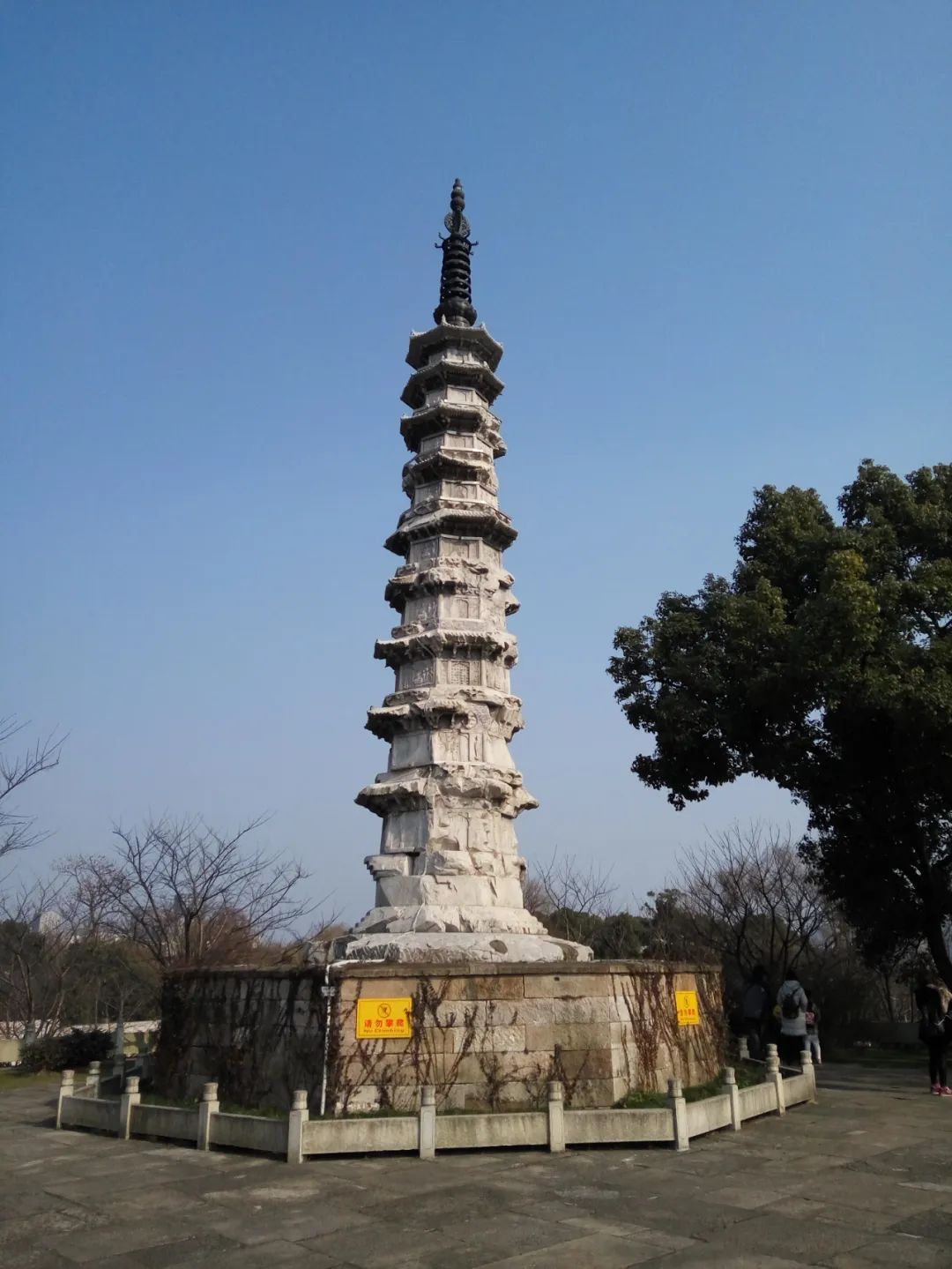
Fig. 1 Photo of the White Pagoda at Zhakou, Hangzhou (957)

Indeed, compared with other existing masonry pagodas in wuyue, Yunyan Temple Pagoda is 47.6 meters, Luohanyuan Twin Towers is 33.3 meters, and Ruiguang Pagoda is 43.2 meters later in the Northern Song Dynasty. The white pagodas at the gate are much smaller, but what is the purpose of "shrinking according to the actual wooden pagodas"? Calling it a "model" is also enlightening, but the height of 14.2 meters is not an absolute miniature.

Liu Dunzhen visited Suzhou in 1936 to inspect ancient buildings, and made a field survey of the twin towers and Yunyan Temple Pagoda of Luohanyuan in wuyue period, as well as Ruiguang Pagoda and Baoen Temple Pagoda in Northern Song Dynasty. In 1937, Liang Sicheng and Lin Huiyin also made a special trip to Hangzhou to inspect the White Pagoda at Zhakou and the Double Stone Pagoda at Lingyin Temple. These two visits initiated the research of wuyue Pagoda architecture by domestic scholars. After the founding of New China, all previous investigations have comprehensively combed the age, architectural form, characteristics and distribution of existing pagodas in wuyue, which not only increased the number of known pagodas in wuyue, but also roughly outlined the historical outline of pagodas in wuyue through the comparison of architectural form and chronological arrangement. In recent years, there are many outstanding research results. On this basis, the academic community’s understanding of wuyue stupa has been continuously enriched and improved. However, on the whole, the focus of the research on wuyue stupa architecture is still not divorced from its masonry-like wood structure characteristics. However, if we only focus on this, we will not be able to fully answer the above question about the scale of the white pagoda at the gate.

For a long time, the research direction and thinking of Zhakou White Pagoda are mostly limited by the existing literature and actual data. As one of the few stone pagodas in wuyue, it still provides a reference and is precious, filling the historical vacancy in the absence of examples of wooden pagodas in the late Tang Dynasty and the Five Dynasties. However, the research from this angle not only formalizes or visualizes the stupa, but also ignores the architectural and structural features of the wuyue stupa, which is different from the previous one. Without a discussion of the religious environment in wuyue period, it is impossible to deeply explore the religious significance of wuyue stupa. For example, when discussing the imitation wooden structure of Zhakou White Pagoda, scholars seldom consider the rich religious images and Darani mantras on the Pagoda.
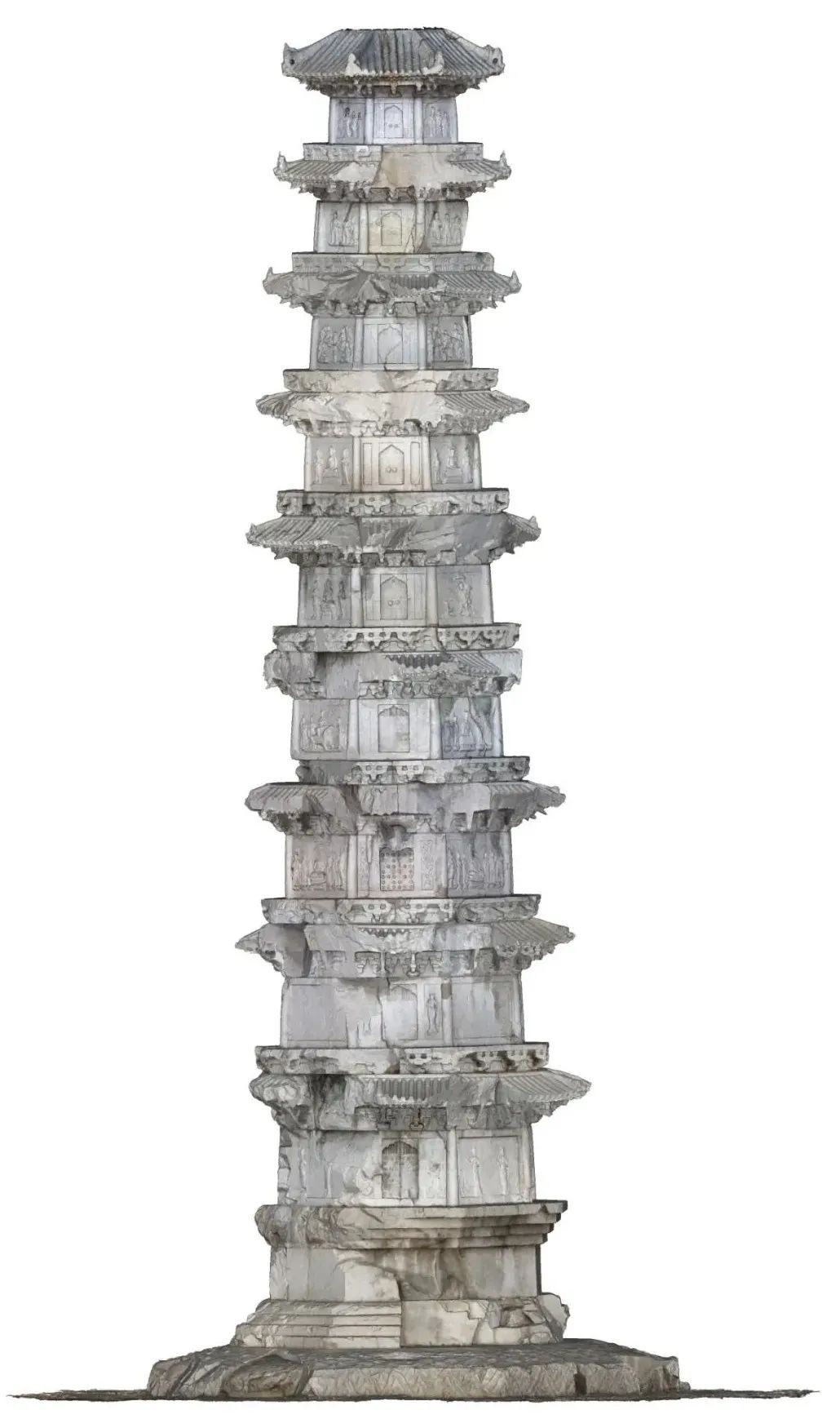
Fig. 2 Three-dimensional scanning model of the white tower at the gate (south)

In recent years, the Institute of Cultural Heritage of Zhejiang University has scanned the three-dimensional image of the Zhakou White Pagoda (Figure 2), which makes us have a further understanding of the image program of the tower body. Based on the content of the image of the pagoda, especially the relationship between the pagoda architecture and the image, this paper holds that although the Zhakou White Pagoda is small in scale and has no internal space, its functions and religious significance are similar to those of the masonry pagodas of the same period, which are the products of the worship of pagodas in the late wuyue area. If we study the White Pagoda at Zhakou, we can’t separate it from the overall development of wuyue Pagoda. Therefore, the discussion in this paper is not limited to the White Pagoda at Zhakou, but from two different research perspectives: first, it focuses on the construction technology and materials, and then it puts the White Pagoda at Zhakou in the historical context where Buddhism, images and religious visual culture alternately influenced each other at that time, and analyzes how the structure and space of the White Pagoda at Zhakou shaped its religious function and significance. It is expected that this research method will play an enlightening role in the study of masonry pagodas in wuyue period.

Wuyue Pavilion-style "Wood-like" Masonry Pagoda

In the introduction of the History of China Pagodas, Zhang Yuhuan clearly pointed out at the beginning: "Any Chinese-style pagoda can’t be built without the wooden structure of China. In other words, the wooden buildings in China are fully reflected in the tower. " This should represent a kind of academic point of view. Some scholars who hold this view believe that the existing brick and stone pagoda in Tang Dynasty is mainly square plane, but after entering the Five Dynasties, it is almost octagonal plane. The reasonable explanation is: "This change is mainly related to the change of wooden pagoda structure." In other words, since the brick tower is an imitation of the wooden tower, the change of the plane of the brick tower in the Tang and Song Dynasties reflects the change of the plane of the wooden tower in this period. The surviving wuyue brick stupa is located between the Tang and Song Dynasties, which witnessed the development of this critical historical period, and its importance is self-evident. But is this the case?

The establishment of the above view requires the following premises: the wooden pavilion tower and the masonry imitation wooden pavilion tower coexist at the same time, and the former serves as the reference prototype of the latter. According to literature and physical statistics, there are 109 known pagodas in wuyue, all of which should be pavilions, of which 69 can be identified as building materials, including 44 brick towers with wooden eaves, 9 imitation wooden towers with masonry and 12 iron towers. There are only four wooden pagodas, accounting for 3.2% of the total number of known pagodas in wuyue. Of course, the small number of existing wooden pagodas can’t be used as a reason to deny that the wooden pagodas are the prototype of masonry pagodas, but if the masonry pagodas in wuyue are indeed based on wooden pagodas, the construction time of the wooden pagodas should be at least 950-960 years earlier. However, at this stage, neither literature nor existing materials can confirm the existence of such prototypes.
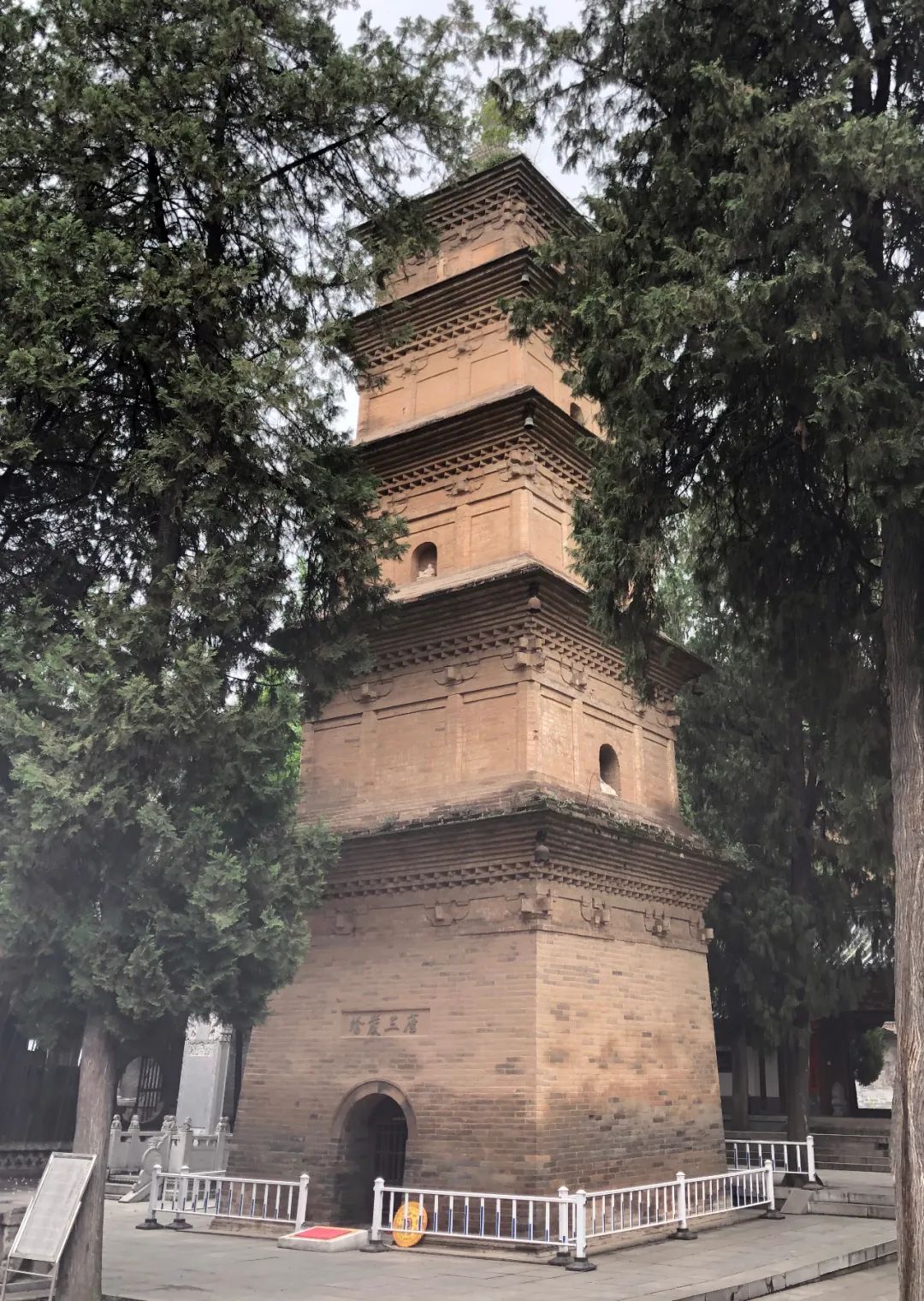
Figure 3 Tomb Tower of Master Xuanzang of Xingjiao Temple in Tang Dynasty in Xi ‘an.
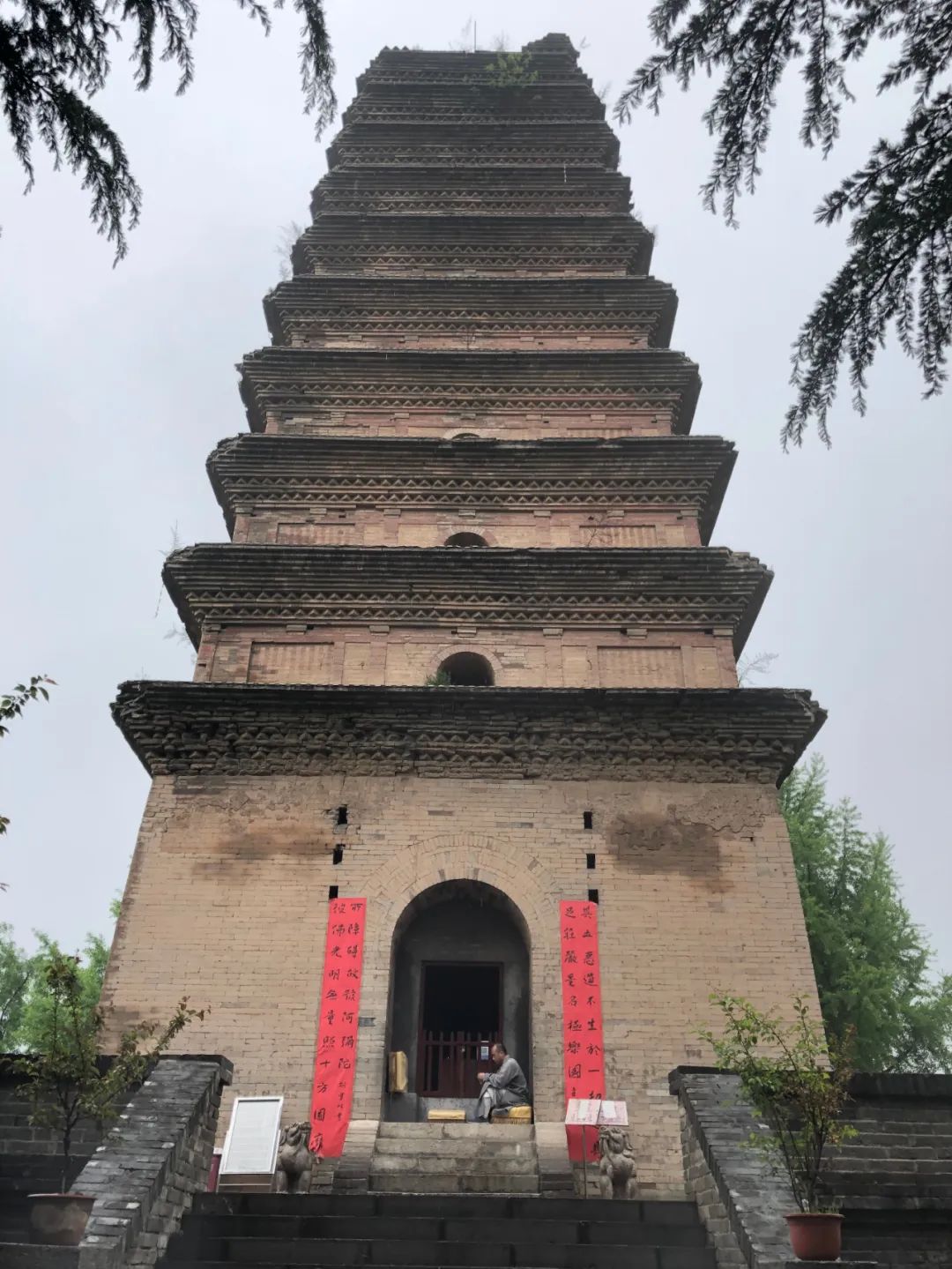
 

Figure 4 xiangji temple Tower in Tang Dynasty in Xi ‘an.

In fact, the assertion that "the wooden tower is the prototype of other material towers" has its origin. Early pagodas were mainly made of wood, and at the latest in the Northern Wei Dynasty, there were sporadic records of "imitation wood" stone pagodas. Sui and Tang Dynasties followed the wind of building pagodas in the Northern Wei Dynasty, and there were several high-rise wooden pagodas in Chang ‘an City, but there were no more detailed records. To find examples of the achievements of high-rise wooden buildings in the Sui and Tang Dynasties, we can only turn to the pavilion-style brick towers of the same period, such as the Da Ci ‘en Temple Tower in Xi ‘an (Wild Goose Pagoda), Master Xuanzang’s Tomb Tower in Xingjiao Temple (Figure 3), or the xiangji temple Tower with dense eaves (Figure 4), and regard them as imitations of the pavilion-style wooden towers at that time. The Five Dynasties, the Song Dynasty and the Liao Dynasty were another historical stage in which Buddhist pagodas flourished, but most of the wooden structures have not been preserved so far, and the remaining masonry pagodas have naturally become the basis for scholars to spy on the shape and style of the pagodas at that time. As Luo Zhewen said: "From the prosperous Tang Dynasty, the structural style of wooden buildings was imitated, which influenced the shape of the Song Tower."

Most of the stone pagodas in the Five Dynasties and the Song Dynasty were made of imitation wood, but as the previous data showed, in wuyue, for example, the number of wooden pagodas was very small, not preserved, but not built, indicating that the material and structure of pagodas gradually changed from wood to brick after the end of the Tang Dynasty. The newly-emerging masonry stupa, although decorated with wooden structure, has the appearance of a wooden pavilion pagoda, but its structure is still designed according to the characteristics of masonry itself, not imitating the existing form. Therefore, the pavilion-style stupa in wuyue should not be regarded as an imitation of wooden stupa, but an important innovation in the history of masonry and stupa architecture, which later influenced the development of masonry stupa in Song and Liao Dynasties. Therefore, from the methodology, we must first shift the research focus from "imitation of wood structure" to the innovation of masonry structure technology in wuyue, from paying attention to the decoration style of wooden structure of tower body to analyzing the creation of internal space of masonry structure, and then find out the reasons for the rise of masonry stupas in wuyue. From this perspective, the study of wuyue stupa architecture should not be limited to the study of the building itself, but need to put the stupa back into its original religious context, and explore how the stupa can meet the new religious needs with architectural methods and material transformation in a specific period, which is also an important prerequisite for this paper to study the White Pagoda at Zhakou.

3 "Double Sleeve" Structure Innovation

Wu Yueguo’s regime was established at the end of the Tang Dynasty, when various regions were divided. Qian Liu (852-932), a native of Lin ‘an, Hangzhou, was appointed as an observer of Suzhou and Hangzhou in the second year of Jingfu, Tang Zhaozong (893), and was a powerful person in the two Zhejiang provinces. In the first year of Kaiping (907), Qian Liu was named King of Wu Yue and officially became the first ruler of Wu Yue State. Wu Yueguo’s rule in Jiangsu and Zhejiang lasted for three years (978), until the last monarch, Qian Chu (929-988), surrendered to the Northern Song regime and returned to the Song Dynasty. After more than 70 years, there were five kings before and after. In its heyday, its territory covered all of Zhejiang, Suzhou, Shanghai and northeastern Fujian. Although the country is not long and its territory is not large, successive monarchs are deeply convinced of Buddhism and print a large number of scriptures. Therefore, the engraving printing technology in Hangzhou is extremely developed, which also reflects the fact that there are many Buddhist temples in wuyue.

3.1 Masonry Pagoda in wuyue Period
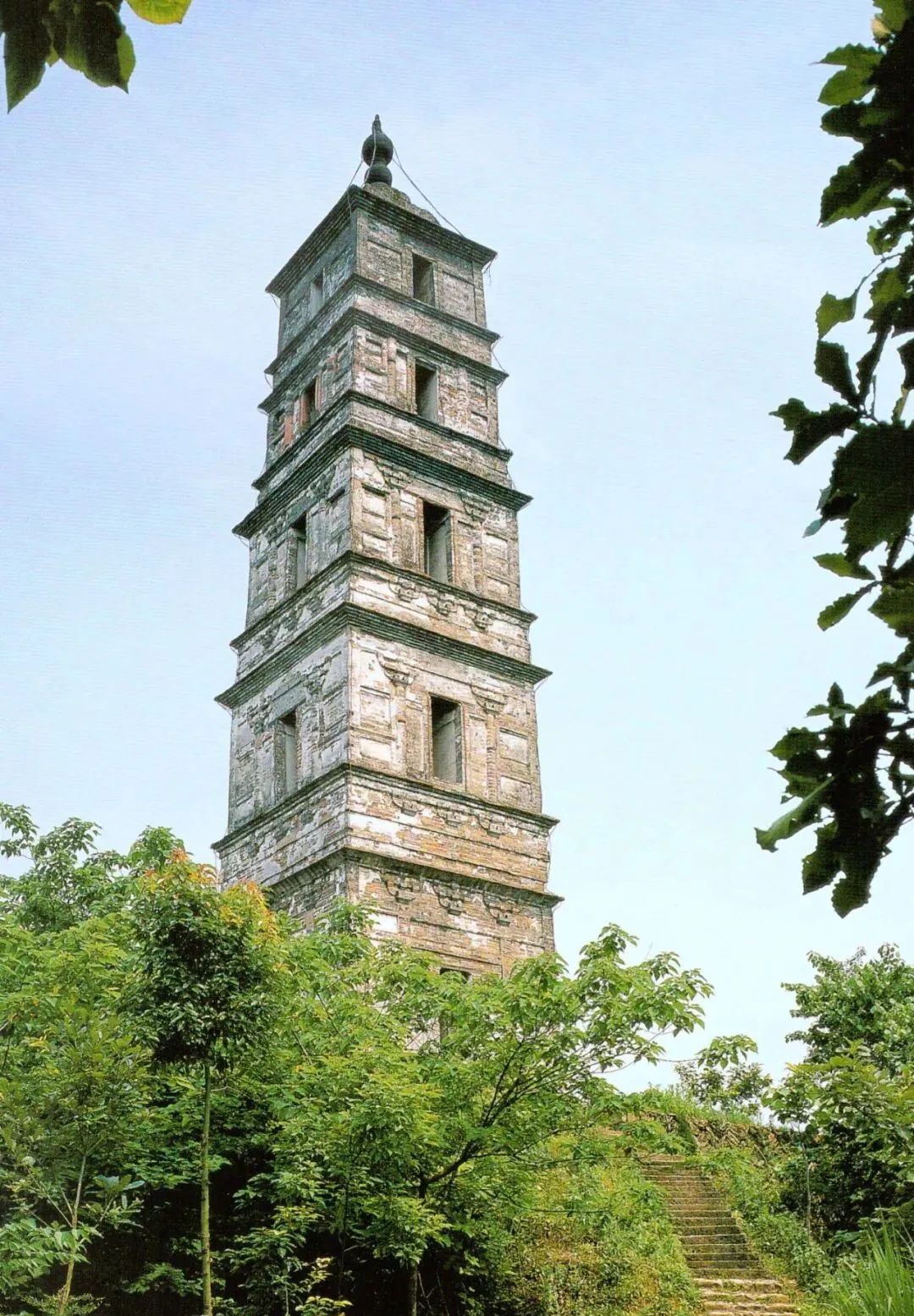
Fig. 5 Gongchen Tower in Lin ‘an, Zhejiang, 915.
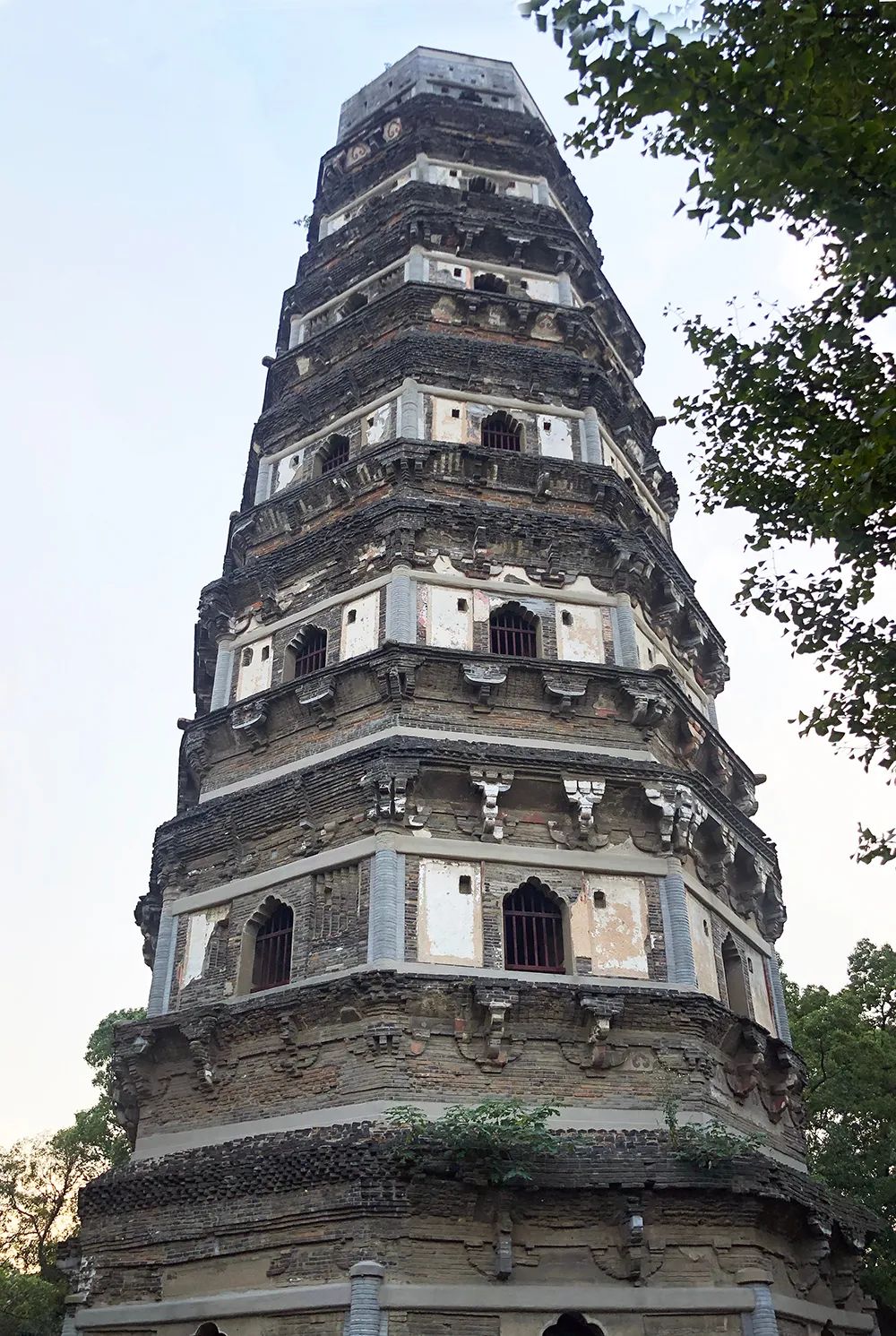
 

Fig. 6 Yunyan Temple Tower in Huqiu, Suzhou, 961.

The earliest existing stupa in wuyue is the Gongchen Pagoda in Lin ‘an, Zhejiang Province (Figure 5), which was built in the first year of Zhenming (915) and was personally presided over by Qian Liu. It can be regarded as the representative of the early stupa in wuyue. The tower is a square five-step single-tube hollow structure, with flat bricks overlapping the waist eaves, and wooden members are built on each floor. Compared with the brick stupa in the Tang Dynasty, the eaves are shallower, but there are more sitting, and the wooden structure is more complicated than the previous one. From the shape and structure, the early stupas in wuyue still inherited the tradition of Guanzhong area in Tang Dynasty.

According to chronological order, after the Gongchen Pagoda is the Yunyan Temple Pagoda in Huqiu, Suzhou (Figure 6), which was built in 961. Yunyan Temple Tower is a wooden eaves tower with eight sides and seven levels of brick body. The original wooden structure on the outer eaves of the brick tower has been damaged, and the brick imitation wood structure is still clearly visible. There are circular leaning columns on the outside of the tower body at the corners of each floor, and there are three columns on each side. The center has a door, and there should be hidden straight windows on both sides, and the floors should be built with buckets. Compared with Gongchen Pagoda, the imitation wood structure of Yunyan Temple Pagoda is not only more complete, but also more prominent in overlapping, and it also makes the waist eaves and flat pavements more three-dimensional. But its most special feature is the structure in the tower.
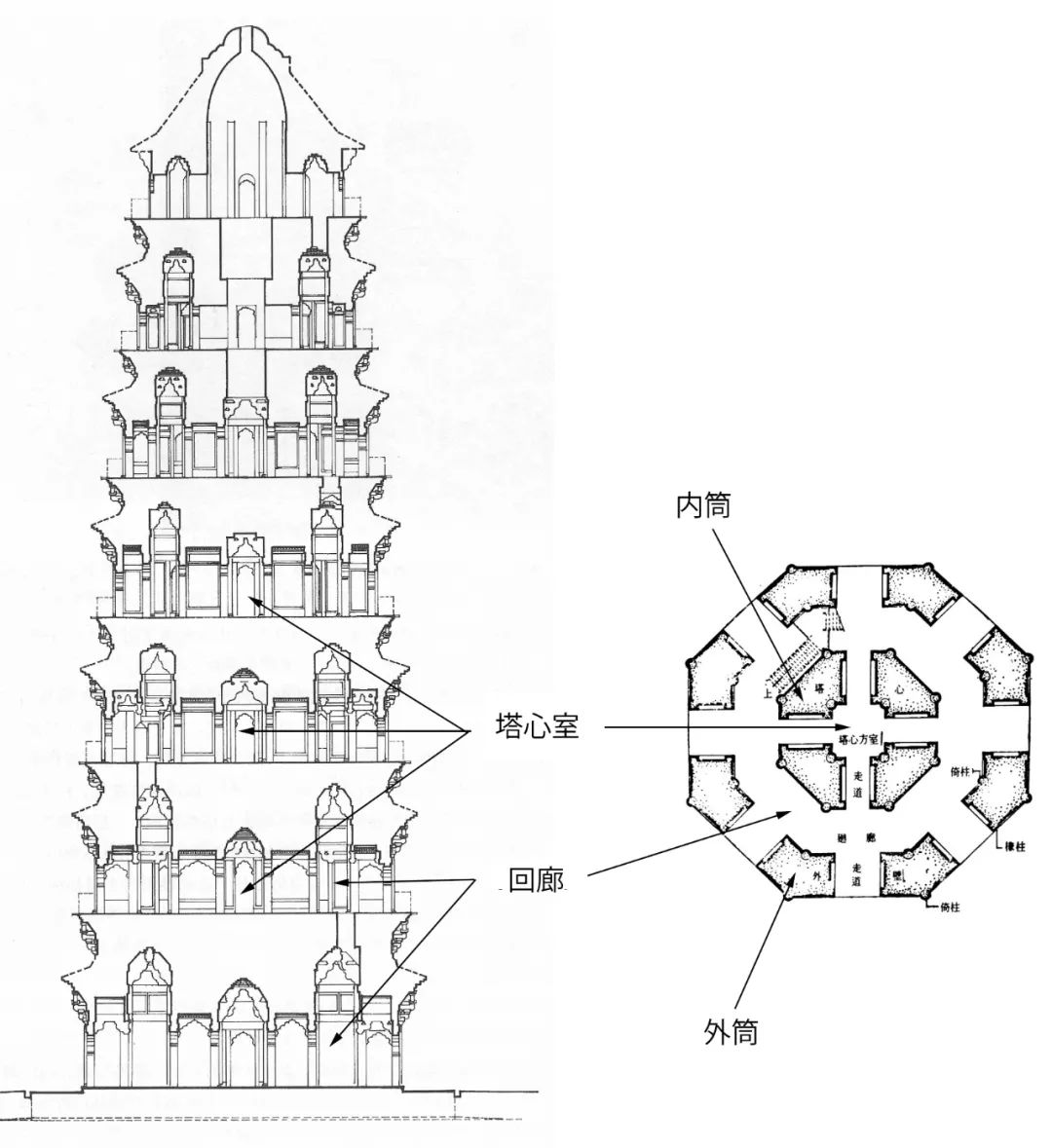
Fig. 7 Cross-sectional view of Yunyan Temple Tower and plan view of the first floor tower foundation.

Chenggong Tower inherited the tradition of single-tube structure in Tang Dynasty, and built a thick wall with bricks according to the shape of the tower, but the inside was hollow, like an empty tube, and then wooden floors and stairs were installed in the tube for climbing the tower. Yunyan Temple Tower is the earliest existing double-sleeve structure, which consists of two layers of tower walls, the inner wall is made into a tower ventricle, and a surrounding corridor is built between the inner and outer walls (Figure 7). The inner and outer walls are connected and supported by each layer of corridor, which enhances the rigidity and stability of the whole tower structure. In addition to the imitation wood outside the tower body, circular leaning columns are also built at the corners on both sides of the cloister inside the tower, and the corners are paved, and the wall is also divided into bays with columns, just like outside the tower. From the inside out, Yunyan Temple Pagoda and Gongchen Pagoda are very different.

In the article Yunyan Temple Pagoda in Huqiu, Suzhou in 1954, Liu Dunzhen thought that the imitation of the wooden structure was significantly improved compared with that of the masonry tower since the Northern Wei Dynasty by adding a wooden waist eaves and a sitting rail to the Yunyan Temple Pagoda. This is also reflected in the unprecedented accuracy of wood-like details. It can be seen that the goal pursued by the builders of wuyue brick stupa is to achieve the effect of resembling a wooden pavilion-like tower in appearance. However, no matter how similar, the main body of Yunyan Temple Tower or the high-rise masonry structure shows its unprecedented features only through its masonry materials and internal space.
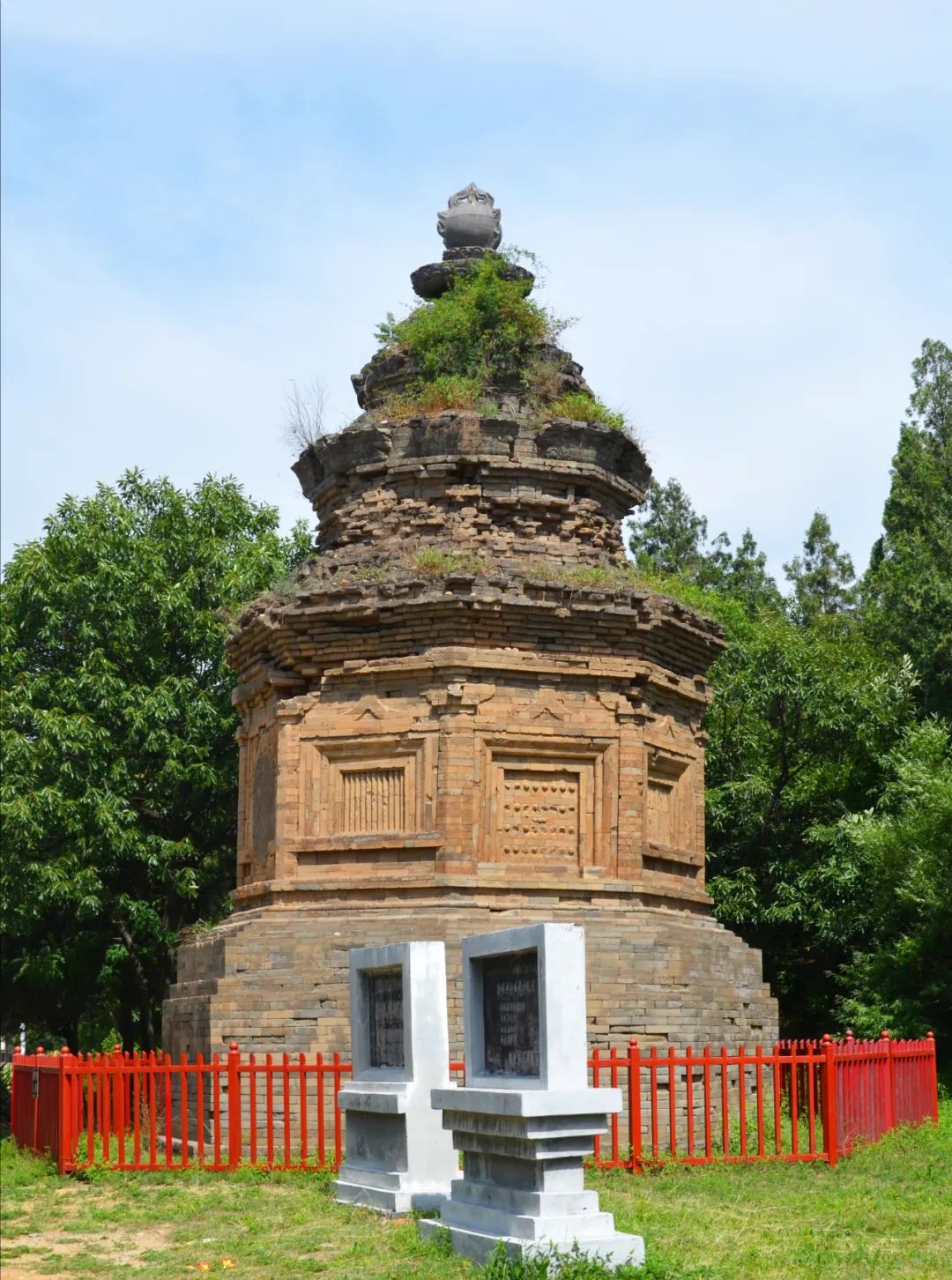
Fig. 8 Brick Pagoda of Zen Master in Jingzang, Huishan Temple, Dengfeng, Henan, 746.

First of all, although there are precedents to follow in the octagonal plane of Yunyan Temple Pagoda, even counting the single-storey stupa, there was only one example in the Tang Dynasty before wuyue, namely the brick pagoda of Zen Master Jingzang in Huishan Temple, Dengfeng, Henan Province in the fifth year of Tianbao (746) (Figure 8). In the Tang Dynasty, when the pagodas were generally square, the shape of the brick pagodas of the Zen master was undoubtedly a breakthrough. The same breakthrough is the tomb tower of Zen master boating in Yuncheng, Shanxi Province in the ninth year of Zhenyuan (793), which is a circular flat brick structure. However, these two styles were isolated cases in the Tang Dynasty, and both were tomb towers. Whether the special plane shape is related to its function needs to be verified. What is certain is that the plane shapes of these two tombs are not required by the structure. The residual height of the two pagodas is about 10 meters, and there are not a few square pagodas higher than 10 meters. For example, the height of Simen Pagoda of Shentong Temple in Licheng, Shandong Province (611) is 15.4 meters, which is significantly higher than these two pagodas. Therefore, it can be seen that the single-storey pagodas do not need to change their structures in order to pursue height.

However, in the further pursuit of height, changing the structure has to become the focus of design. Octagonal shape is more stable in vertical stress than square shape, and it has absolute advantages in building high-rise structures. At the same time, compared with the square, the inner diameter of the octagonal tower is larger, and it is easy to adopt the form of double sleeves. The inner and outer cylinders support each other to form a more stable overall structure, which is the main reason for changing the square into octagonal. The structural mode of Yunyan Temple Pagoda is only the beginning in wuyue. Of the 30 Wuyue Pagoda whose plane form can be determined, 19 are octagonal, accounting for the vast majority. Therefore, since there are no examples and records of wooden pagodas with the same shape before Yunyan Temple Pagoda, it is difficult to establish the imitation statement, and its structural innovation is more likely to be caused by breaking through the past high-rise masonry structure.
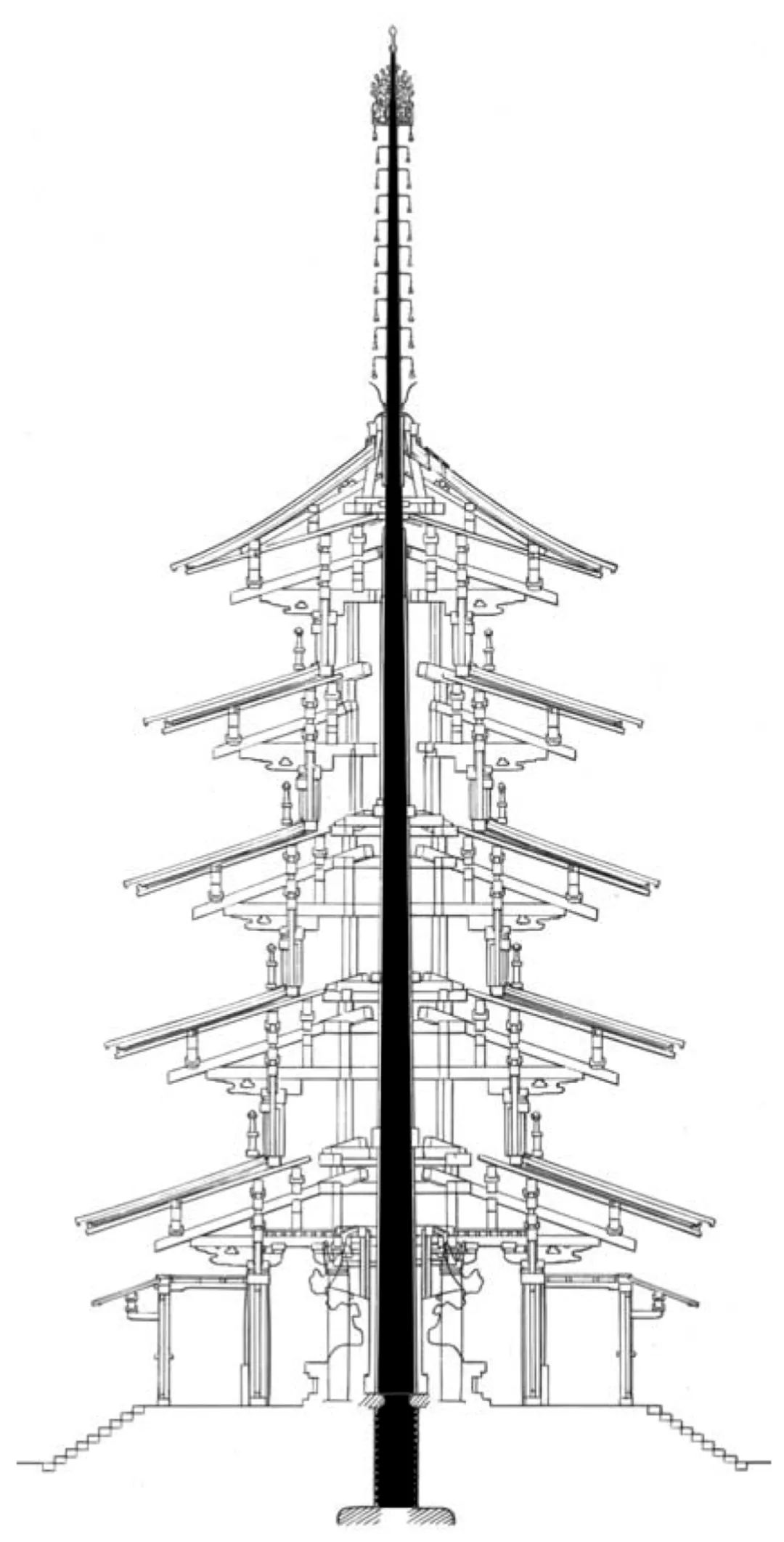
Fig. 9 Horyuji Pentecostal Tower in Nara, Japan.

The need of adopting double-sleeve self-stabilizing structure generally determines the composition of the space in the tower. The space between the inner cylinder and the outer cylinder naturally forms a cloister, and an unprecedented "tower ventricle" is formed in each floor within the inner cylinder. In the early wooden pagodas, there were many tower pillars, which marked the sacred center where the Buddhist relics were located, and were the most critical symbolic components above the ground. From the existing examples of the Horyuji Pentecostal Tower (Figure 9) and the Faqi Temple Tripecostal Tower in Nara, Japan, it can be seen that the tower core column runs through the tower body, occupying a vast space, and goes straight to the top of the tower to cover the bowl and support the tower brake. The first floor is used as a space for Buddha worship. Because there is no usable space on the above floors, there is no floor or stairs for climbing the building. However, after the early Tang Dynasty, in the limited literature about pavilion-style high-rise wooden pagodas, the practice of not seeing the tower-core column was not seen again, and it seems that the square pagodas left in the Tang Dynasty did not use the tower-core column either. The structure of brick towers in Tang Dynasty can be roughly divided into thick-walled hollow (that is, single-tube structure) and solid type, and there are towers at the top. It is not clear whether there is a tower core column in the solid tower, but the hollow type mostly uses the floor to separate the internal floors without the tower core column, as is the case with the early meritorious tower in wuyue. The appearance of the tower ventricle in Yunyan Temple Pagoda, although not completely equivalent to the tower core column, seems to be a conscious return, re-emphasizing the symbolic significance of the center tower column in the stupa, which can be seen from the cross-sectional view (Figure 7).
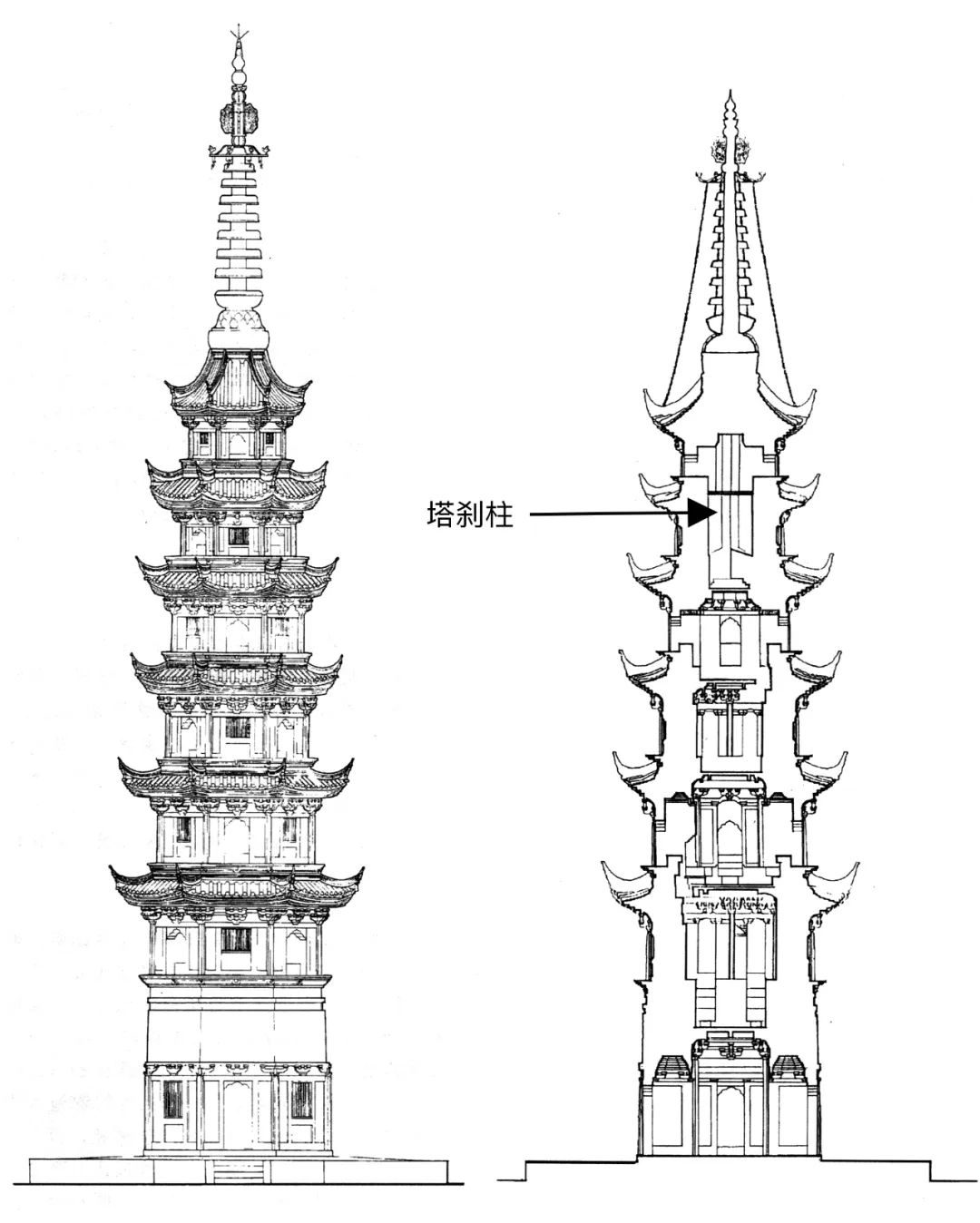
Fig. 10 Front elevation and section view of the twin towers (982) of Luohanyuan in Suzhou.

The ventricles of the tower from the first floor to the fifth floor form the central axis in the tower longitudinally, which fully reflects its importance. The first to fourth floors have thick brick floors, while the fifth, sixth and seventh floors have no partitions, showing a continuous vertical space. When Liu Dunzhen visited the tower, he was puzzled by this, saying that "it was suspected that the wooden board had been destroyed for years". In fact, the brick dome added at the top of the seventh floor conceals the structure of the original placement pagoda, and the position of the original pagoda can also be inferred by comparing with similar pagodas. For example, the Twin Towers of Suzhou Luohanyuan, built in the seventh year of Xingguo, Song Taiping (982), have a huge iron brake. The brake rod passes through the top of the tower and goes straight into the top second floor, becoming a tower brake column, while the following floors form a continuous "tower ventricle" in the center of the tower (Figure 10). The practice of the tower brake of Yunyan Temple should be similar to this. Comparing the setting of the tower center column from the Southern and Northern Dynasties to the early Sui and Tang Dynasties, the practice of Yunyan Temple Tower and Luohanyuan Twin Towers presents another tower center model, which not only embodies the symbolic significance of the original symbol of the sacred center of the tower column, but also provides more worship space in the center of the pagoda. In addition, the cloister formed between the inner and outer walls is provided with stairs on each floor for going up and down, which changes the past situation that only the central tower column can be bypassed on the first floor of the stupa. Believers can surround the pagoda’s ventricles on each floor, step by step, opening a new form of ritual space inside the stupa in wuyue. Around the above characteristics, the history of wuyue stupa began gradually.
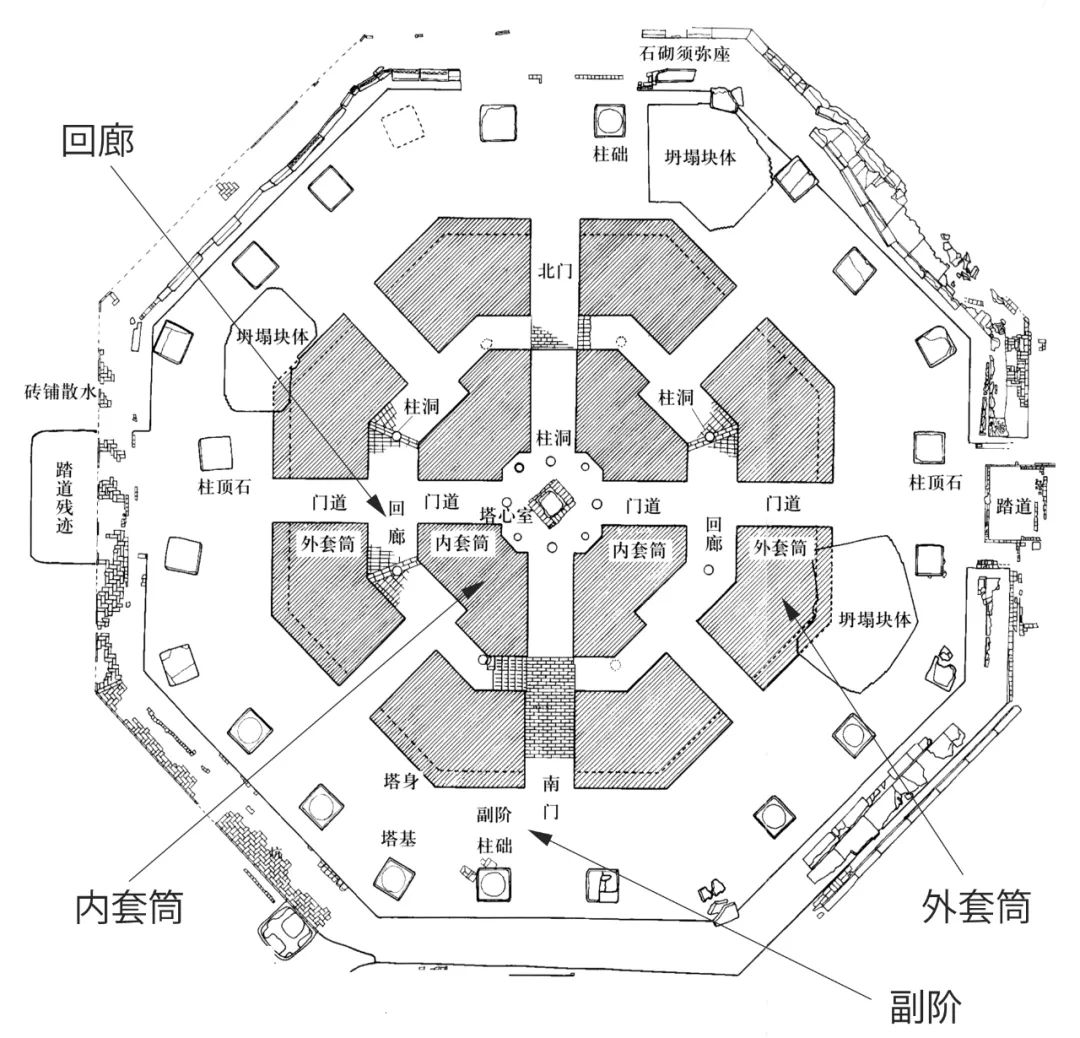
Fig. 11 Tower foundation plan of Hangzhou Leifeng Tower (977)

Leifeng Tower was built in the fifth year of Kaibao (972) and completed in the second year of Taiping Xingguo (977). It is an octagonal five-level wooden eaves brick tower. Unfortunately, in the thirteenth year of the Republic of China (1924), the tower collapsed, and the situation inside was unknown. Judging from the form of the tower foundation (Figure 11), it is also a double-sleeve structure, with doors on all sides leading directly to the tower ventricle. At the same time, there are secondary turns at the bottom of Leifeng Tower, which lengthens the total inner diameter. Seen from the plane, the tower base is in two concentric circles, and the secondary cloister is used by believers to detour before entering the tower, which also highlights the central position of the tower ventricle. The aforementioned Twin Towers of Suzhou Luohanyuan and the Suzhou Lengga Temple Tower (Figure 12), which was built in the third year of Taiping Xingguo (978), are both pavilion-like towers with wooden eaves and brick bodies. Compared with Yunyan Temple Tower and Leifeng Tower, they are smaller in plane and narrower in shape. The single-tube structure can meet the demand, and only one door is opened on each of the four fronts, which leads directly to the ventricles of the tower without corridors. However, the Lengga Temple Tower originally had a secondary step, 2 meters wide, which made up for the lack of corridors inside. Believers can still enter the tower after bypassing the secondary step, and there are stairs in the tower for boarding.
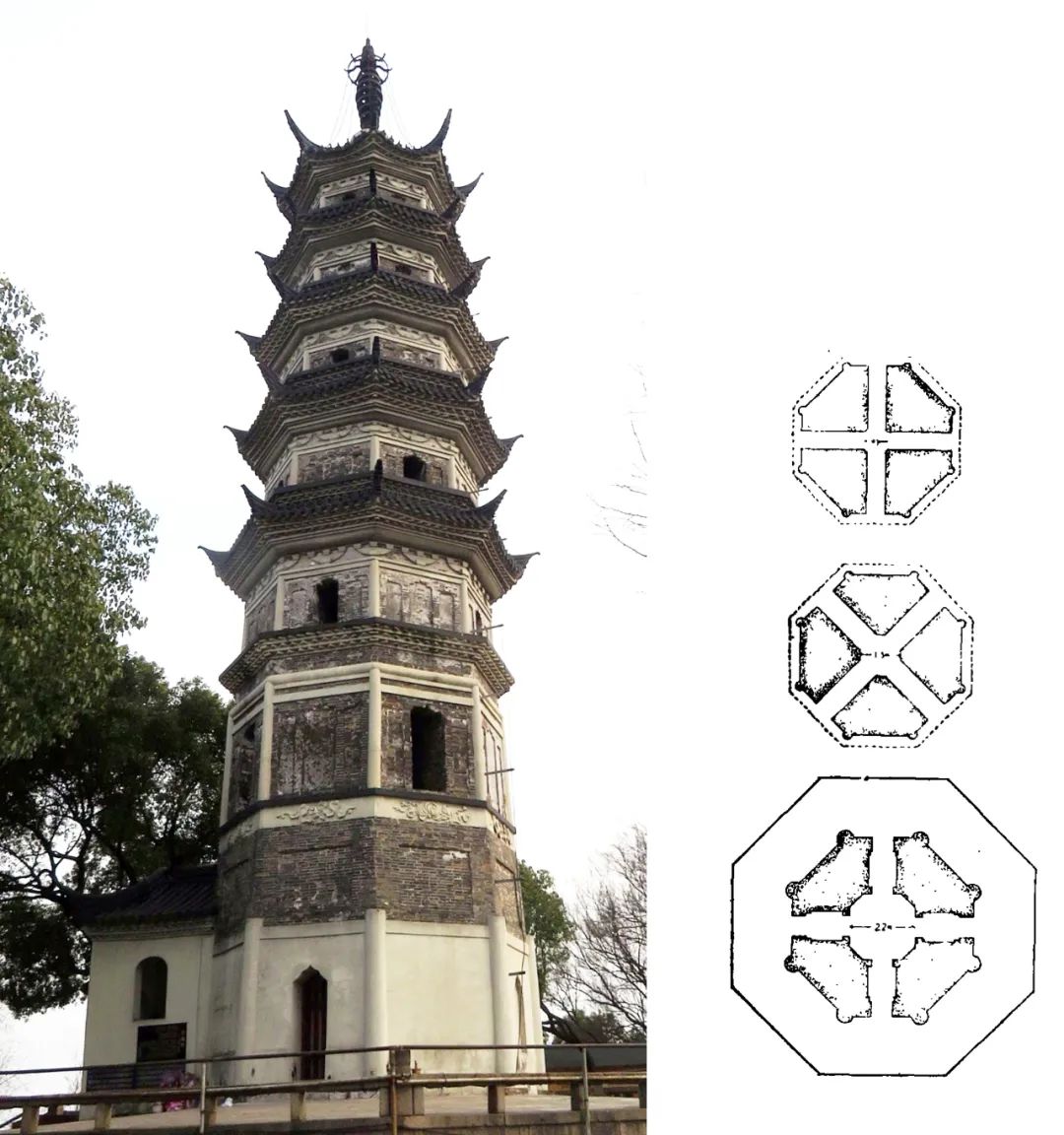
Fig. 12 Photo of the elevation of the Linga Temple Tower in Suzhou (978) and the plan of the bottom three floors.

There was no precedent in the Tang Dynasty to build a secondary order on the bottom of the stupa, and it was not seen in the meritorious tower in the early days of wuyue. It was only in the Qian Chu period that the secondary order was used. In addition to Leifeng Tower, the earlier Huangyan Ruilong Induction Tower (963) and Pingyang Baosheng Temple Twin Towers (965) all have secondary steps, and they are all octagonal planes. The use of the secondary steps in wuyue area is not only related to the innovative masonry towers, but also closely related to the ritual needs of those who enter the towers.

3.2 wuyue old stupa
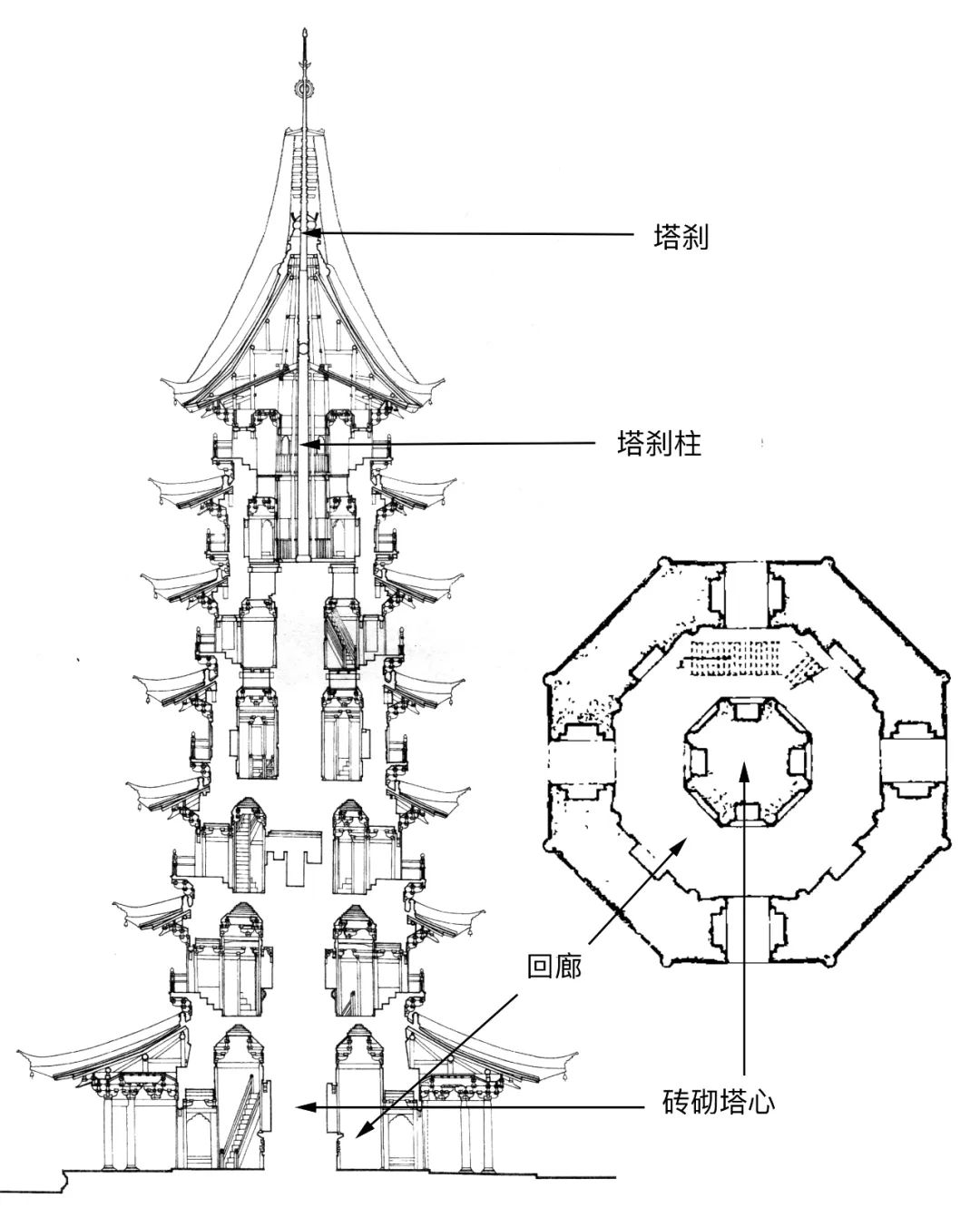
Fig. 13 Section and first floor plan of Suzhou Ruiguang Tower (1004-1030)

After entering the Song Dynasty, the masonry pagodas built in the old place of wuyue have undergone new changes, which can be regarded as the development on the basis of the previous period. Suzhou Ruiguang Tower (Figure 13), built from the first year of Jingdezhen in the Northern Song Dynasty to the eighth year of Tiansheng (1004-1030), is a brick tower with eight sides and seven levels of wood eaves, which belongs to a double-sleeve structure. The first floor of the tower is provided with secondary steps, but the first to fifth floors of the tower are not provided with tower ventricles. Instead, the solid tower center is connected with the outer wall of the tower by bricks to form the ceiling and floor of the cloister. The ventricles of the towers on the sixth and seventh floors are connected vertical spaces, and the central tower brake column supports the tower brake at the top of the tower. Although it is different from the practice of continuous tower ventricles discussed before, the idea of emphasizing the vertical axis of the center of the stupa revealed by the two is in the same strain. Buddhist niches are added to the two walls of the cloister in the Ruiguang Pagoda, which can bypass the worship of Buddha when entering the tower, and go further on the basis of only cloister before.

The masonry structure of the Ruiguang Tower inherits the shape of wuyue, but in appearance, from the secondary steps up, each sitting floor, waist eaves to the wooden tower top presents a more complete wooden pavilion form than in the previous period. Similar examples are Longhua Pagoda in Shanghai (977), Feiying Pagoda in Huzhou (1069-1201) and Baoen Temple Pagoda in Suzhou (1131-1162), all of which can be regarded as the continuation of wuyue Pagoda in different periods.

3.3 Outside the imitation wood structure

Compared with the existing brick pagodas in Tang Dynasty, the three-dimensional style of the imitation wooden building components of wuyue brick pagodas, whether it is a brick body with wooden eaves or a brick imitation wooden structure, is more accurate and true, but it is only limited to the similarity in appearance. Based on this cognition and pursuit, wuyue craftsmen adopt unprecedented means in architecture and structure, which is the innovation of wuyue brick and stone pagoda. Even so, there are two puzzling problems. First of all, since it is a brick tower, why not use a dense eaves tower and stick to imitating wood with brick? The cost of financial resources and labor for brick-and-stone imitation wooden tower is not less than that of dense eaves tower. In other words, what is the purpose of pursuing "similarity"? Secondly, if there is no ready-made wooden pagoda as the prototype, how did wuyue craftsmen initially design the structure of the pagoda and the composition of the internal space? Technical innovation required by high-rise masonry structure is a necessary factor, but architectural technology cannot completely control the use of space inside and outside the tower and the religious significance of shaping the stupa. So, are there other factors? To answer these questions, we must have an understanding of Buddhism in wuyue.

4 the prosperity of Buddhism and the construction of pagodas

According to the data compiled by Wei Zhuting, literature records and the existing Wuyue Tower, there are 99 buildings that can determine the age range. According to the three periods of wuyue, there were 10 places in the early period (893-932), accounting for 10%; 9 in the middle period (932-948), accounting for 9%; 80 in the later period (948-978), accounting for 81%. In the late period of wuyue, that is, the 30-year reign of Qian Chu, the king of Zhongyi, the number of towers built in this period greatly exceeded that in the previous 50 years, which is closely related to Qian Chu’s own belief in Buddhism. In Qian Chu’s epitaph, he said that he "never stopped reciting Shi’s book and kept putting on Shi’s canon". However, all successive kings of wuyue believed in Buddhism, but the tower building of Daxing Buddhist Temple during Qian Chu’s reign was not just a matter of personal belief. First of all, after Zhou Shizong Chai Rong (921-959) carried out the destruction of Buddha in the second year of Xiande (955), and wrote a letter to learn that folk bronzes and Buddha statues were destroyed to make money. Although Buddhism was not completely banned, it was indeed a warning to wuyue, where Buddhism prevailed. At the same time, since Qian Chu succeeded to the throne, the situation of the original separatist regime in the ten southern countries has been constantly changing. In the seventh year of Kaibao (974), when the Northern Song Dynasty imperial court summoned Qian Chu to assist the Southern Tang Dynasty, there were only two southern regimes besides wuyue, the Southern Tang Dynasty and the Northern Han Dynasty. Although wuyue has always been committed to managing the relationship with the forces in the Central Plains, during Qian Chu’s reign, he experienced the most turbulent political period in five dynasties, and revitalizing Buddhism became the best way to protect the country in Qian Chu.

4.1 Gold-coated Pagoda and Treasure-printed Heart Sutra
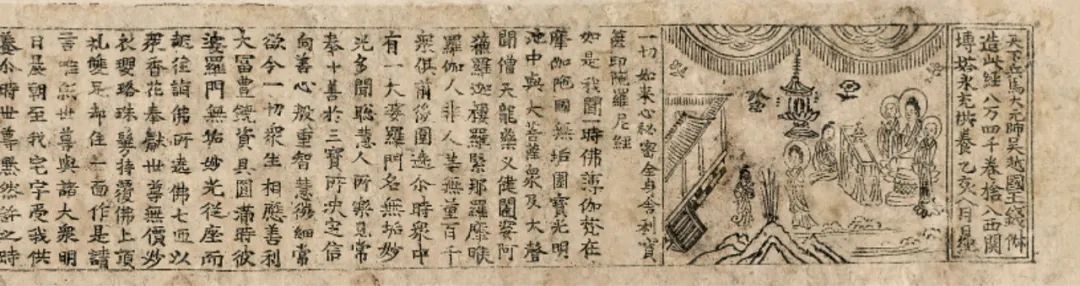
Fig. 14 The Darani Sutra printed by Baoyu in Leifeng Pagoda, 975.

The record of Qian Chu’s revitalization of Buddhism mainly comes from the book "The History of the Buddha" written by Zhipan in the Southern Song Dynasty. In the book, in October of the first year of Jianlong in Song Taizu (960), it was stated: "Qian Chu, King of Wu Yue, worshiped Buddha by nature, longed for Ashoka to build a tower, and built 84,000 towers with gold, copper and fine steel. In the middle of the collection, the "Baoyu Initiation Mantra Sutra" was distributed in the Ministry, and it took ten years to complete the work. " Most of the pagodas made of gold and copper mentioned here are called "golden painted pagodas", which are generally regarded as the purpose of storing the "Bao-Bo Inscription" according to the records of the Buddha’s Annals, but this is somewhat different from the actual practice. Up to now, a total of 19 examples engraved with "King wuyue worships to build pagodas" have been unearthed. According to the inscription, during the reign of Qian Chu, gold painted pagodas were cast twice. The first time was in the second year of Xiande (955), that is, the year when Zhou Shizong destroyed the Buddha, and the second time was in Gande, Song Taizu, for three years (965) ten years later, which is in line with the records of the Buddha’s Chronicles. However, there is only one case of scriptures hidden in the unearthed golden painted pagoda. It seems that the golden painted pagoda was not specially cast for the purpose of hiding treasures and printing scriptures. According to the printing time of Baoyu’s printed scrolls, the three printed copies have been found at present, which were printed in the third year of Zhou Xiande (956), the third year of Gande in the Northern Song Dynasty (965) and the eighth year of Kaibao in the Northern Song Dynasty (975). The first two times are consistent with the casting age of the gold coating tower. The third engraving was late, which was specially printed by Qian Chu for the collection of scriptures in Leifeng Pagoda (Figure 14). Although Qian Chu’s gold painted pagoda may not be specially used for printing scriptures, they are two related and coexisting projects in Qian Chu’s Buddhist cause, which happened at the same time when wuyue Daxing Pagoda was built.This provides an important historical background and religious context for studying the architectural style and structural innovation of wuyue stupa.

Judging from the existing unearthed objects, I’m afraid that the reason why the brick stupa was built in wuyue’s later period was also to collect the "Bao You Yin Xin Mantra" and the Golden Pagoda, although they have different functions. The full name of Baodi Initiation Mantra Sutra is Darani Sutra, which was translated by Tang Bukong. In the sutra, it says, "Those who placed this Darani and the tower statue, we, the ten buddhas, will always follow it wherever it is, and we will bless and protect our thoughts with magical powers and vows." Qian Chu’s operation is based on what is described in the Sutra, and imitates the practice of Asoka (268-232 BC), an Indian peacock dynasty, to build 84,000 pagodas throughout the country to worship Buddhist relics, to cast 84,000 gold painted pagodas, and to build pagodas all over wuyue to place treasures and seal the Darani Sutra. As the scripture says, as long as there is this Darani in the tower, where the tower is located, "everything is protected by the Buddha’s divine power", I hope to bring good news for Wu Yueguo in this way.

Jintu Pagoda is also called Ashoka Pagoda. The story of Ashoka’s tower building has been circulated for a long time, and it has been recorded in the literature since the Western Jin Dynasty. Later, it is said that among the 84,000 pagodas built by Ashoka, 19 were distributed in China, and one of them was found in Huiji (now Ningbo, Zhejiang) in the Western Jin Dynasty, which is why wuyue has a special liking for Ashoka Pagoda. According to "Fayuan Zhulin", in the second year of Taikang in the Western Jin Dynasty (281), there was a Liu Sahe in Lishi (now Lvliang, Shanxi Province), and the monk’s name was Huida. In his dream, he saw a Hu monk ordering him to look for the Ashoka Tower, so he went south to Huiji:

Suddenly in the middle of the night, I heard the bell ringing in the soil, that is, I moved to remember that the wood was used as a brake. During the three days, pagodas and relics suddenly burst out of the ground. The Lingta looks like a stone rather than a stone. It is one foot four inches high and seven inches square. The five-story exposed plate looks like it was made in Khotan, a western region. When the bell rings, I doubt this chime. Around the tower, there are not miscellaneous statues of Buddhas, Bodhisattvas, King Kong, Saints and Monks, which are extremely subtle and eye-catching, but there are hundreds of statues, and their faces, hands and feet are salty. It can be said that the miraculous miracle is beyond the reach of non-human wisdom, and it is now in the big wooden tower.
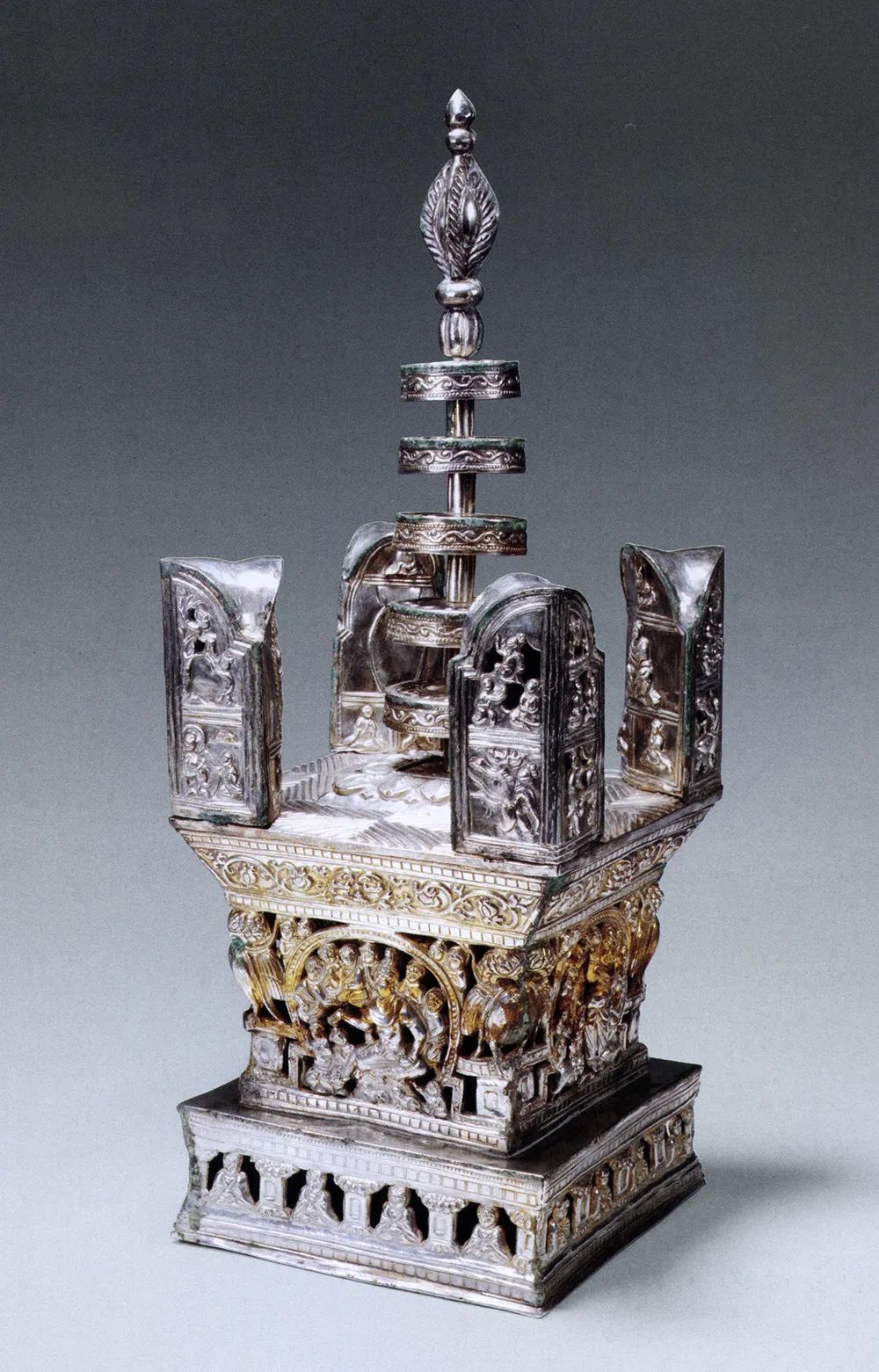
Fig. 15 The underground palace of Leifeng Pagoda is gilded with pure silver Ashoka Pagoda.

In this paper, the material, shape, size and image of Ashoka Tower are similar to the known gold-coated tower. Take the gold-plated pure silver Ashoka Tower built in the underground palace of Leifeng Tower in Qian Chu as an example (Figure 15). The tower has a square body, four mountain flower banana leaves at the four corners of the tower, a neutral brake and a five-phase wheel. The tower is carved with images on all sides, and all the characters are indeed "salty in face, hands and feet." Although the content of the image is not "images of various buddhas, bodhisattvas, King Kong, saints and monks" as mentioned in Fa Yuan Zhu Lin, it seems too much to say that Qian Chu’s golden pagoda is modeled on the legendary Ashoka pagoda. More importantly, at the end of the article, it is said that the Ashoka Pagoda discovered by Liu Sahe was later enshrined in the "Big Wooden Pagoda", and the tower was called the Qixian Pagoda. There is also a record about the tower in the Daoxuan "Guang Hong Ming Ji", also known as Ashoka Tower, which was finally supported in the "wooden tower". For Qian Chu, who imitates Ashoka, it seems that he intends to imitate the records in the literature, and chooses the wooden pavilion tower in the Southern and Northern Dynasties as the final hiding place for casting Ashoka Tower, and at the same time replaces the wood material with masonry, so as to make the pagoda permanent. This issue will be discussed later.

4.2 Underground Palace and Tiangong

At the end of wuyue, the construction of stupa was closely related to the collection of Ashoka Pagoda and Baodi seal sutra. As for their arrangement in the pagoda, the literature did not mention it, but the unearthed situation provided the answer. According to Li Yuxin’s research, the Ashoka Tower built in Qian Chu mostly comes from the underground palace of the stupa and the heavenly palace of the tower body (or tower top).
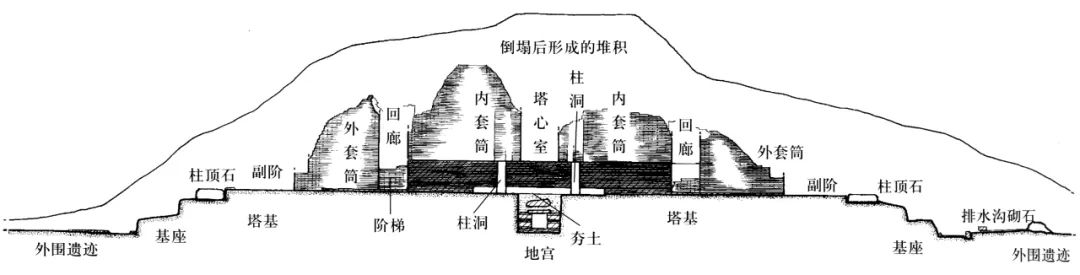
Fig. 16 Section of Leifeng Tower Underground Palace Foundation

The stupa underground palace appeared in the Eastern Wei Dynasty and the Northern Qi Dynasty. At the beginning, the underground palace was just a vertical hole pit for burying relic containers. After the early Tang Dynasty, the underground palace gradually changed into a horizontal hole, which was close to the underground tomb at the same time. In addition to relic containers, other offerings and utensils were found in the underground palace, which formed the ritual space under the tower. During the Five Dynasties, the system of the Tang Dynasty was basically inherited, and the underground palace with horizontal holes was mainly based on the tower foundation. Only in wuyue area, the underground palace with vertical holes before the Sui and Tang Dynasties was restored, and the most famous underground palace was Leifeng Tower. The underground palace is a flat square single room (Figure 16), which is located directly below the tower’s ventricle, and its four walls and bottom are made of bricks. The inner wall is 0.6 meters long and 0.72 meters deep, and there are buried offerings, including the above-mentioned gold-plated pure silver Ashoka Tower (Figure 15). After installation, the entrance of the underground palace is sealed with slate. The overall practice of the underground palace is similar to that of the early vertical-point underground palace in shape and concept. After the Five Dynasties, wuyue extended the practice of worshipping Ashoka Tower with Taki Underground Palace, the most typical of which is Jinhua Ten Thousand Buddha Pagoda, which is also a flat square underground cave with 11 copper pagodas and 3 iron towers.

Tiangong appeared late, and there was no clear literature record before the Five Dynasties. So far, there are only 2 ~ 3 cases of suspected Tiangong. Therefore, before the Five Dynasties, it was customary for the relics to be buried in the underground palace in Taki, but the tower body did not have this function. It was more to place Buddha statues or offer Buddhist scriptures as objects of worship and worship around the tower. In the Five Dynasties, it became a common practice to construct the Tiangong in the center of the pagoda as a hiding space, such as Yunyan Temple Pagoda and Leifeng Pagoda in wuyue, so that examples of the Tiangong can be seen in pagodas all over the country. The construction of the inner space of the stupa is also different from the past, and a new religious space in the pagoda is constructed with the vertical central axis formed by the underground palace, the heavenly palace and the pagoda. The double-sleeve structure of the wuyue Brick and Stone Pagoda discussed above is the architectural framework that supports this religious space. From the examples, the appearance of the Heavenly Palace in wuyue Pagoda was earlier than that in Liao Dynasty, Northern Song Dynasty, Dali or Xixia Pagoda. Therefore, in the process of redefining the religious space inside the Pagoda in the late Tang Dynasty and the Five Dynasties, wuyue Pagoda played a key role.

4.3 "Retro" of wuyue’s Late Pagodas

At the end of wuyue, Qian Chu spared no effort to revitalize Buddhism. On the one hand, it copied Ashoka’s practice as a blueprint, developed the latest construction technology, block printing and casting technology, and built a large number of brick and stone pagodas in Wuyue State to collect treasures, seals and Ashoka Pagoda, thus achieving the goal of protecting the country by unprecedented means. On the other hand, Qian Chu consciously returned to the early wooden pagoda form before Sui and Tang Dynasties, which was reflected in the emphasis on the vertical center of the pagoda and the practice of vertical cave underground palace. From this point of view, the fact that artisans in wuyue took great pains to build wooden pavilions with bricks and stones should also be related to Qian Chu’s tendency to seek "retro". As far as stupa architecture is concerned, the use of masonry building materials can be said to be the key factor that determines the development of wuyue stupa, and also the key factor that should be paid attention to when analyzing the space of wuyue stupa.

5. Religious space of Zhakou White Pagoda

As mentioned above, the innovation of wuyue brick stupa and the new concept of religious space brought by it are all reflected in the increasingly complex style outside the pagoda and the vertical center inside the pagoda. However, how to bring it into the Buddhist context and understand the relationship and significance of its internal and external space, there is no Buddhist literature or inscriptions on stupa temples to follow. Focusing on the importance of the masonry material of wuyue stupa, the author thinks that the small-scale Zhakou Baita, though a solid stone pagoda, can be regarded as a representative of exploring and reading the religious space in wuyue stupa, and it can be regarded as a "miniature model" of wuyue stupa regardless of the material or scale.

5.1 Special scale

As discussed at the beginning of the article, the scale of the White Pagoda at Zhakou is confusing, but what is certain is that the special scale of the White Pagoda at Zhakou is intentional.
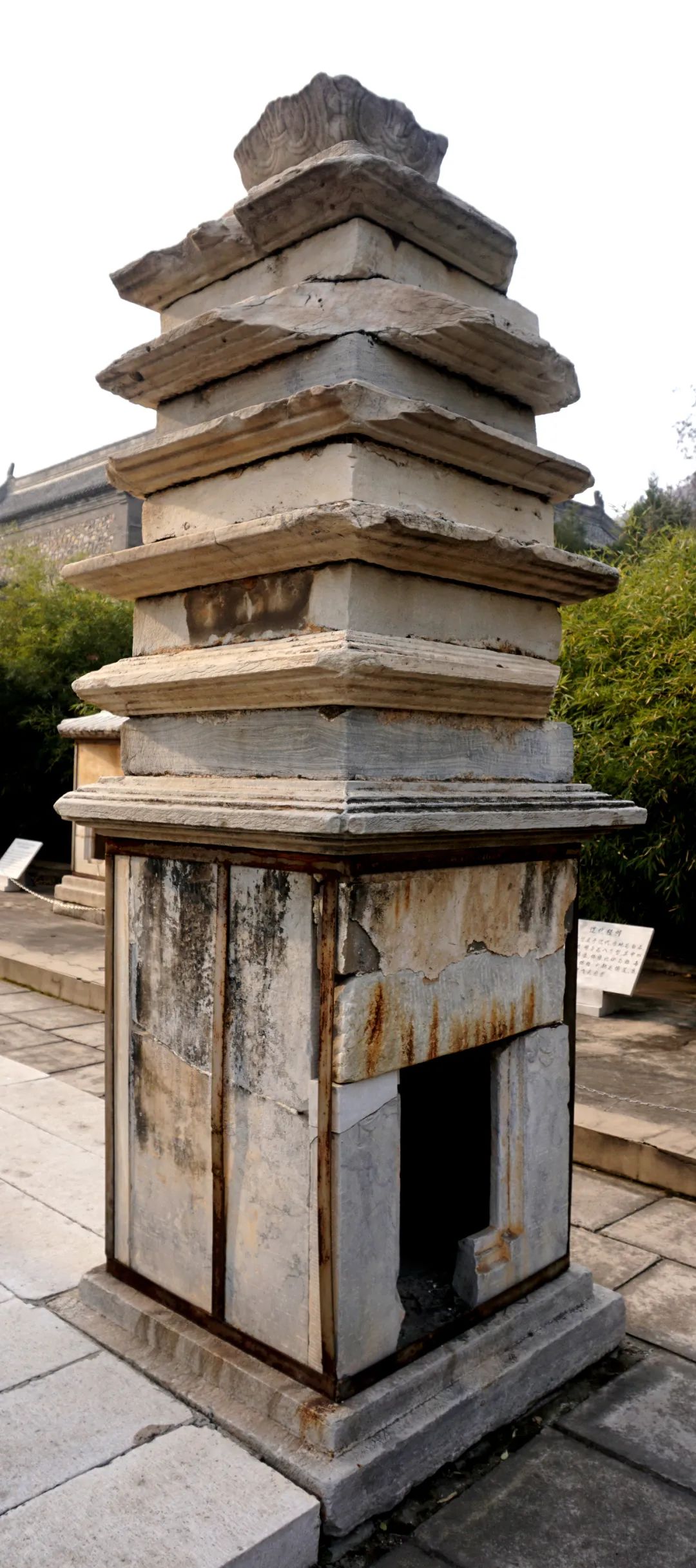
Fig. 17 Jing Yun Ernian (711) Tower of Fangshan Yunju Temple.

Buddhism in China has a long tradition of building small pagodas, and a number of small stone pagodas with dense eaves, which were popular from the late early Tang Dynasty to the prosperous Tang Dynasty, have the same special scale for reference. These stone pagodas are composed of pedestal, tower body, tower eaves and tower brakes, which can reach more than 7 meters in height, and usually appear in pairs or groups. For example, at the beginning of the 8th century, four small towers were built at the four corners of the North Tower of Yunju Temple in Fangshan (built in 711, 712, 722 and 727 respectively), with a total height of 3.52 ~ 3.7 meters (Figure 17). These stone pagodas are larger in scale than the common small-scale support pagodas and smaller than the normal pagodas. Interestingly, the small stone pagoda has an internal space for worshipping Buddha (Figure 18), but the height of the pagoda door is generally less than 1 meter, so the worshippers can’t enter it, but they can simulate and imagine the actual behavior of worshipping Buddha in the pagoda while spying on it, so as to achieve the purpose of offering support and praying. These pagodas use their special scales to provide viewers with a specific and subtle way of worshipping Buddha, which is also an annotation of the actual worship of pagodas. Similarly, the relatively small-scale, solid, non-boarding function but faithfully expressing the form of brick tower can also be interpreted in the same way. At the same time, just like the stone pagoda with dense eaves in the Tang Dynasty, the white pagoda at Zhakou also carved Buddhist images, with higher complexity and richer meaning. Therefore, in addition to the architectural form and wood-like details of the stone pagoda, we can understand the religious significance of the white pagoda at Zhakou more deeply and comprehensively by examining the relationship between the pagoda and the image.
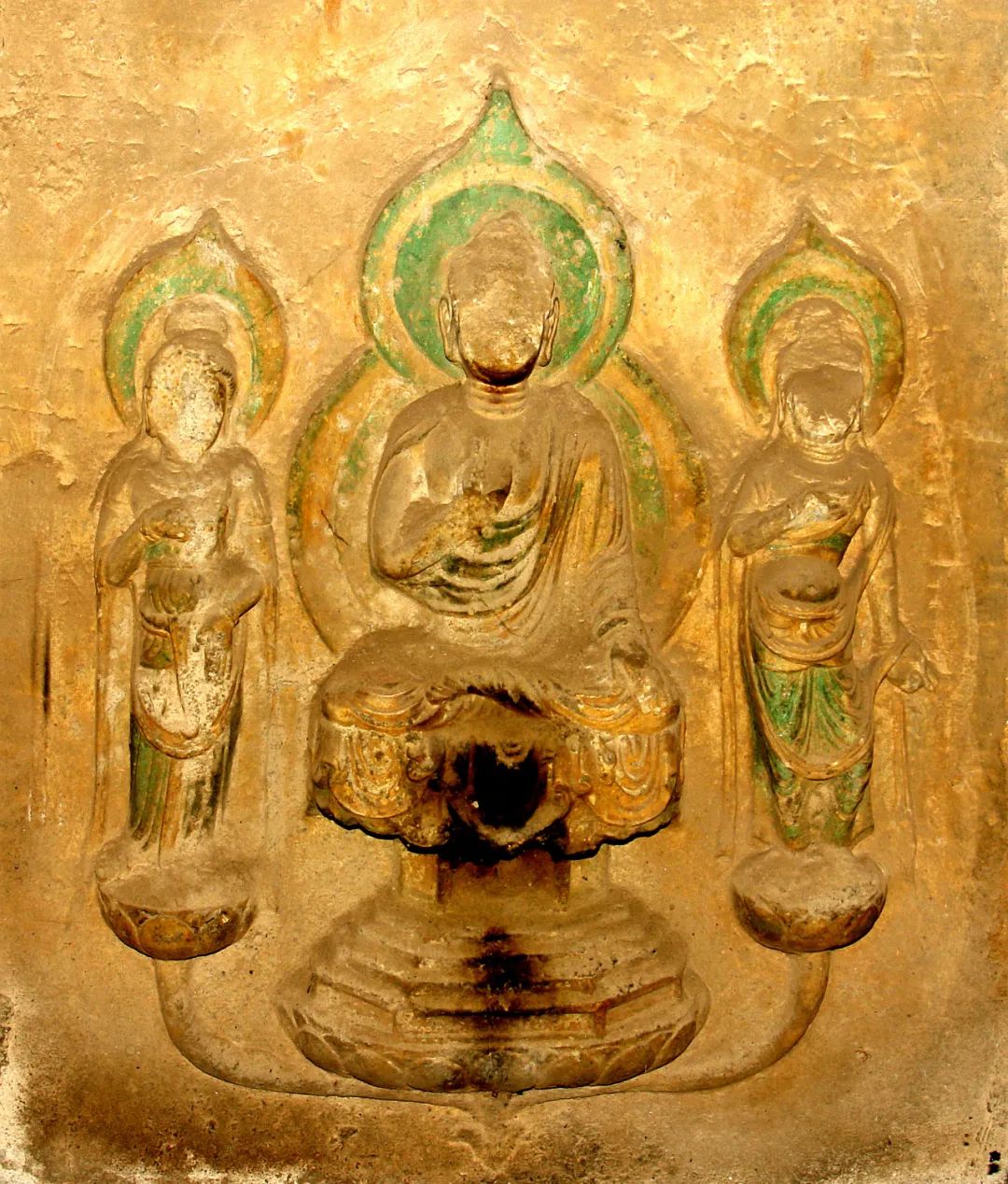
Fig. 18 Statue in the Tower of Yunju Temple in Fangshan (711) in the second year of Jing Yun.

5.2 Architecture and Image Program
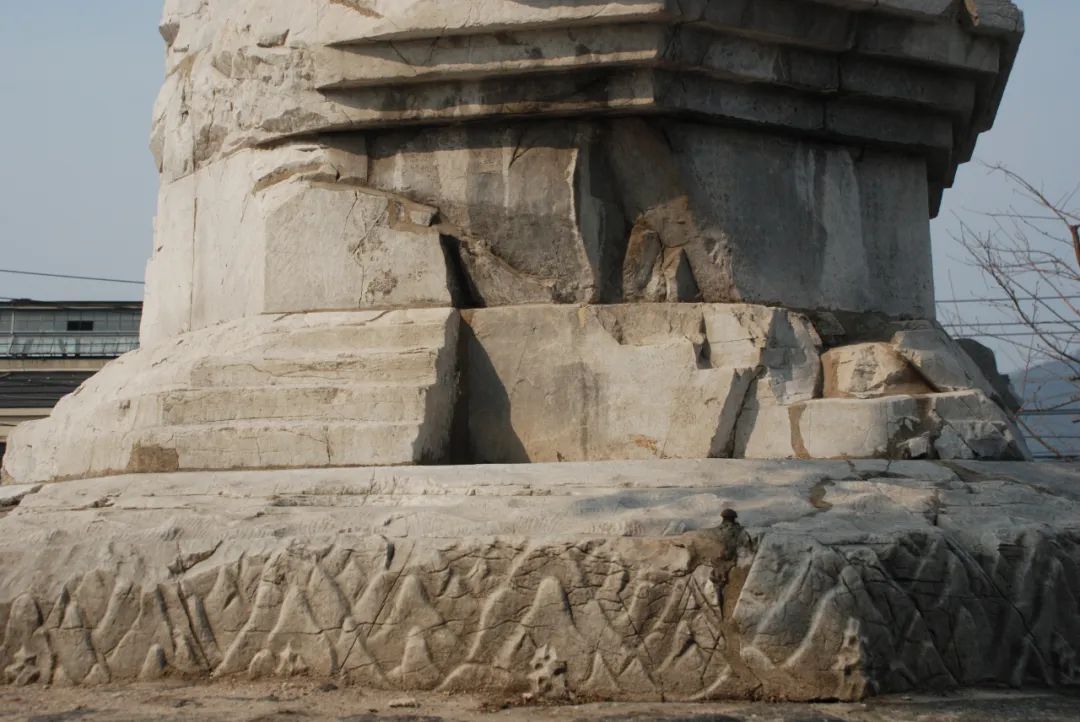
Fig. 19 The pattern of "Eight Seas in jiusan" carved on the soil lining of Baita Gate.
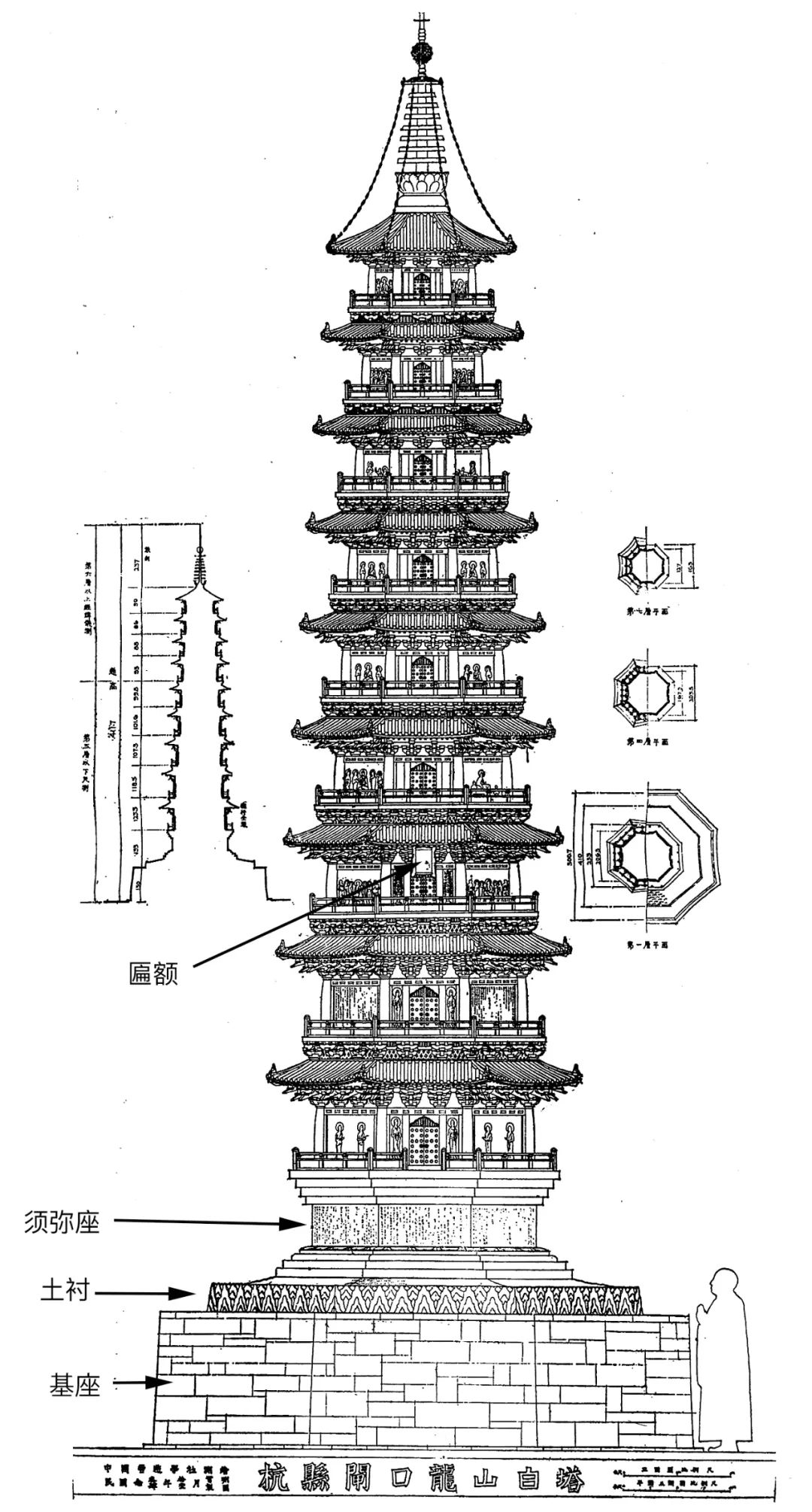
 

Fig. 20 elevation line diagram of white tower at sluice gate
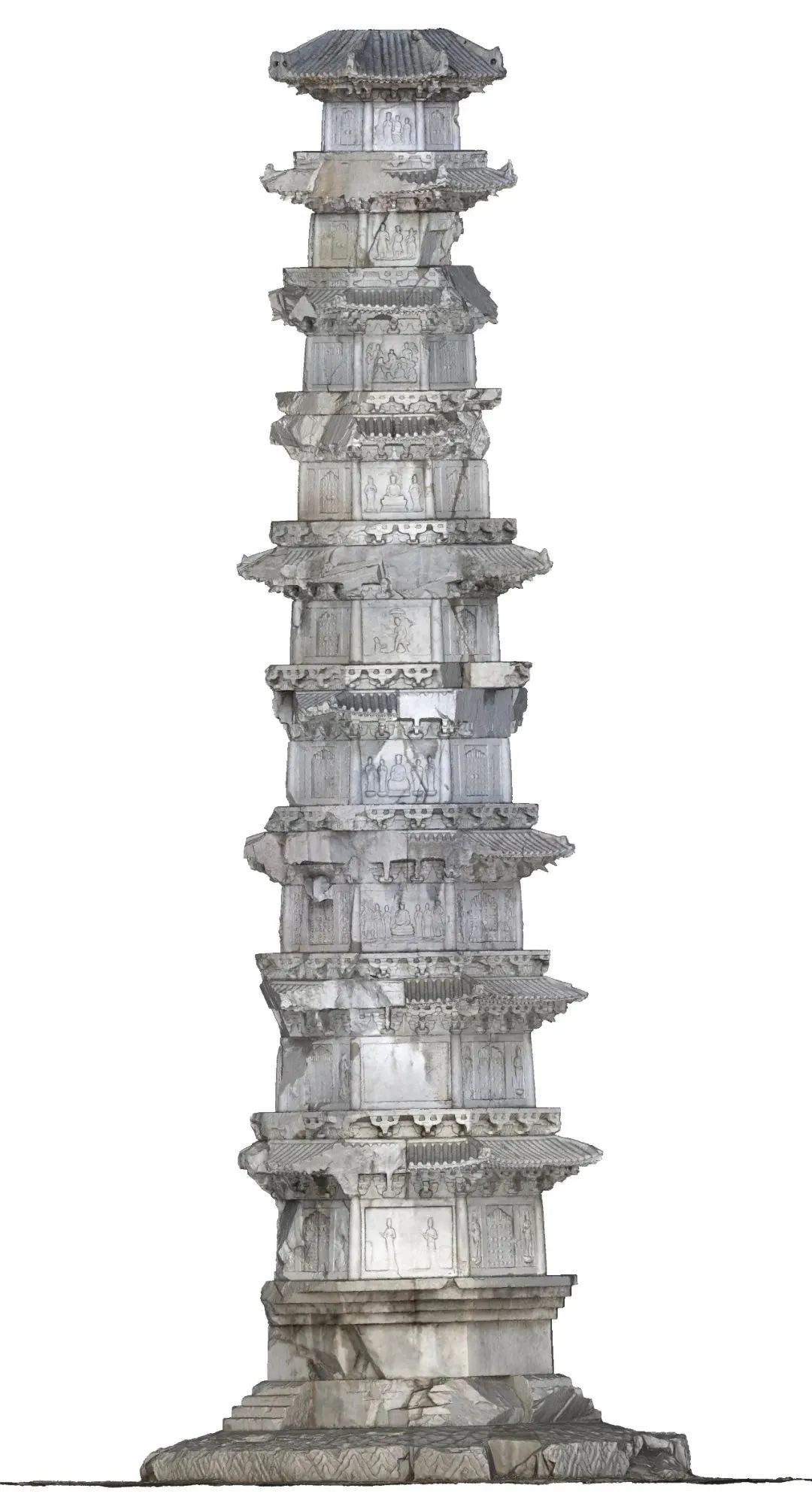
 

Fig. 21 Southeast of 3D scanning model of sluice white tower

The abutment of Zhakou White Pagoda consists of a tall plain base (1.7 ~ 1.8m) and a soil lining on it. The soil lining is carved with the pattern of "Eight Seas in jiusan" (Figure 19), above which is the Sumeru Tower, and further up is the tower body, which is about 12.48m high. There are square columns on the four fronts of each floor of the tower to divide the wall into three rooms, with carved doors in the middle and carved Buddhist themes on the other four corners for decoration (Figure 20 and Figure 21).
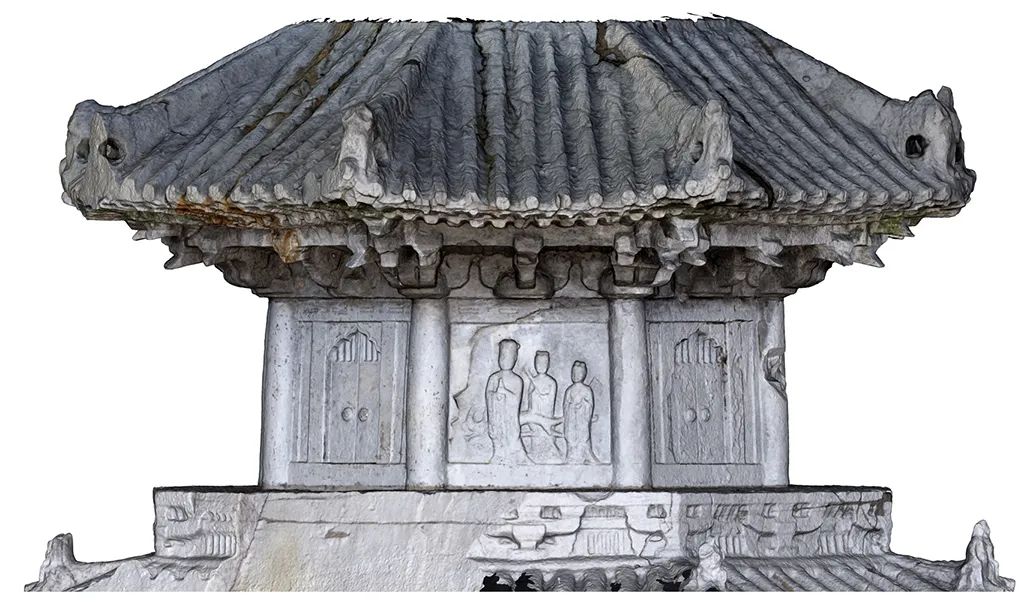
Fig. 22 "Dragon King Ritual to Buddha" in the southeast of the ninth floor of the White Pagoda at Zhakou.

There are two standing bodhisattvas carved on every corner of the first floor, either with their hands folded, or holding incense burners or holding Buddhist banners, all facing west, and the eight bodhisattvas all around seem to go around in a continuous space. On the four corners of the second floor, scriptures are engraved from right to left, and the contents are all Darani mantras. Therefore, although the images and scriptures on the bottom two corners need to skip four fronts when watching, they will guide the viewer to bypass the tower column clockwise because of their inherent continuity. This bypass viewing mode also appears on the top two floors. The four corners of the ninth floor are engraved with three figures facing west accompanied by a dragon, with the front figure wearing a crown and holding a water board, followed by two attendants holding things in their hands. Some scholars call it the "Dragon King’s Buddha Ceremony" (Figure 22), and the four groups of Buddha Ceremony can be regarded as walking around the tower in a continuous space. The four corners of the eighth floor are engraved with the four heavenly kings and their attachments, and they also travel by clouds to the west, which can be regarded as walking around the tower in a continuous space. These four floors, which echo from top to bottom, imply the dynamic and the direction around the tower, showing that the image on the white tower at the gate has been specially designed.
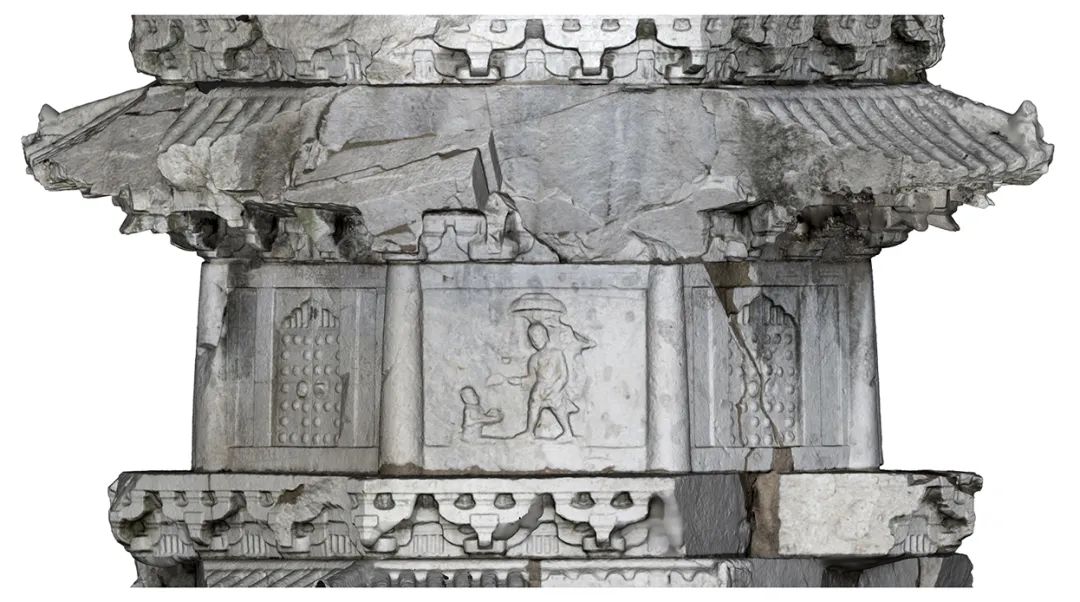
Fig. 23 "Walking Monk Image" in the southeast of the fifth floor of Zhakou Baita.

The middle five layers are different from the above four layers. Different from the dynamic images in the upper and lower layers, the Buddhist figures in the middle five layers all face the viewer, and most of them have no obvious direction of action. There are four arhats carved on every corner of the seventh floor, with different postures, but the composition is stable. There are sixteen arhats in the four shops, which reflects the popularity of the belief in arhats in Wu Yueguo. On each corner of the sixth floor, there is a bodhisattva with two threats. Some of the main bodhisattvas hold objects and some have their hands sealed. The details provided by the present situation are difficult to identify the main bodhisattva. The southwest, northwest and northeast corners of the fifth floor are all three statues of bodhisattvas, whose identities are unknown, but the "walking monk image" appears in the southeast (Figure 23). The monk shouldered the warp basket with an umbrella cover, facing the west, holding the dust and waving it at the half-length boy in front. Further down to about 6 ~ 7 meters from the ground, it is the most important part of the fourth and third floors-the whole tower image, which is still in the sight of the ground.
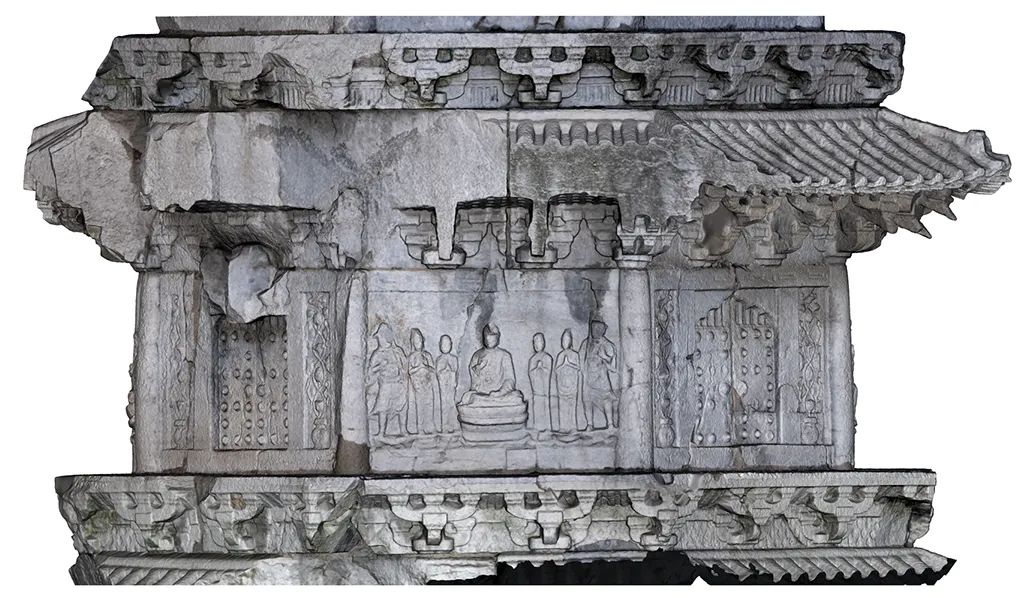
Fig. 24 "Seven Statues of Sakyamuni" in the southeast of the third floor of Zhakou Baita.

On the third floor, seven statues are carved on each corner, which are combined into one Buddha, two disciples, two bodhisattvas and two heavenly kings. According to the handprints and objects of the main statue, it can be identified that the main statue in the northwest is the pharmacist Buddha, the Maitreya Buddha in the northeast, the Amitabha Buddha in the southwest and the Sakyamuni Buddha in the southeast (Figure 24). This is the first time that the image of Buddha has appeared in the White Pagoda. The fourth floor is another layout mode. Five statues of one Buddha, two disciples and two bodhisattvas are carved on both sides of the southeast and northwest, and five statues of bodhisattvas are carved on the clouds in the southwest and northeast. In the northeast, Pu Xian rides an elephant to the west, while in the southwest, Manjusri rides a lion to the east. If the east and south sides are not counted, the three corners connected with them just form a combination of one Buddha and two threats to serve the Bodhisattva, mainly in the southeast, supplemented by the other two sides (Figure 25). Therefore, unlike the arrangement of stone pagodas or "going around to the west" or the combination of individual Buddha statues, the image of the fourth floor needs the viewer to cross the different faces of the stone pagodas to get the whole picture.
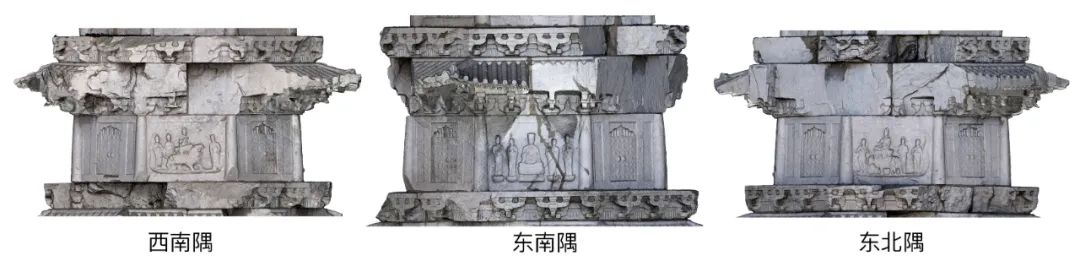
A) Manjusri rides a lion in the southwest corner b) Pilu Zenafo in the southeast corner c) Pu Xian rides an elephant in the northeast corner.

Fig. 25 Image of the fourth floor of Gate White Pagoda

The existing situation of Zhakou White Pagoda restricts the identification of all Buddha statues. However, from the first floor around which bodhisattvas are supported, the third and fourth floors where buddhas are the mainstay, the fifth and sixth floors where bodhisattvas are the mainstay, the sixteen arhats on the seventh floor, the four heavenly kings on the eighth floor, and the dragon king who worships buddhas on the top floor, it can be seen that the images of Zhakou White Pagoda are all internally related through orderly design. On the other hand, from the vertical relationship between the images, the main Buddha of the third floor, the main Buddha of the fourth floor and the walking monk of the fifth floor are all in the southeast, so it should be reasonable to regard the "southeast" as the "front" of the overall image combination. At the same time, the waist of Sumeru is engraved with the words "Darani at the top of the Buddha", which also starts from the "Ode to Begging" in the southeast, and the last spell ends in the east. The horizontal and vertical images of the four corners are closely related, but the architectural details of the four fronts make it inconvenient to watch the images, which makes people wonder about the relationship between the images on the white tower at the gate and the buildings. If the small-scale White Pagoda at Zhakou is regarded as the "model" of the developing wuyue Pagoda in this period, solving this problem will be helpful to understand the wuyue Pagoda.
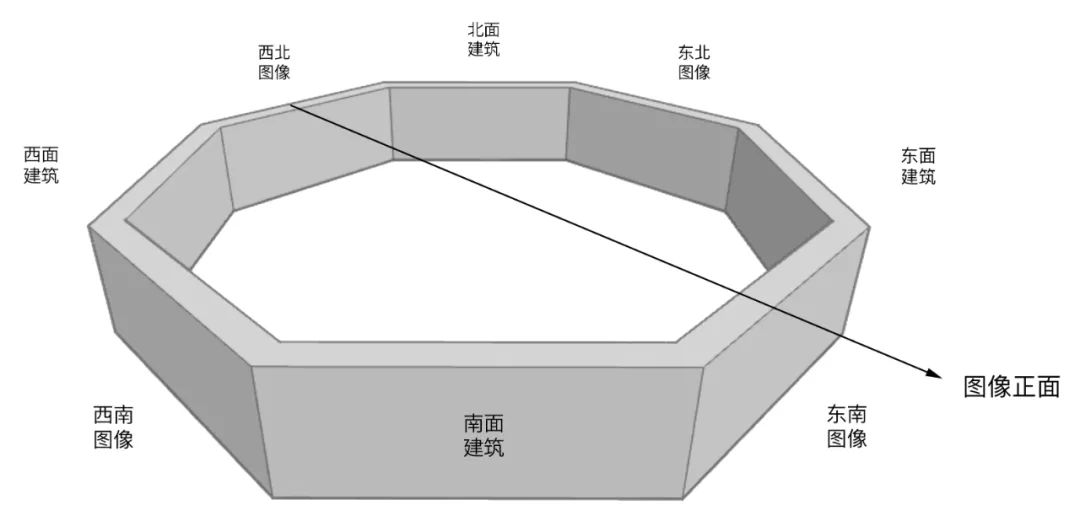
Fig. 26 Relationship between Gate White Pagoda Building and Image

In the restoration diagram of Liang Sicheng’s White Pagoda (Figure 20), the plaque was placed on the upper part of the heart room on the "south" of the third floor. In Gao Nianhua’s investigation report, it was also considered that the stone protruding there should have been the place to support the stone plaque. That is to say, the east, west, south and north are mainly architectural details, with the south as the front; The other four corners, which are dominated by images, take the southeast as the front (Figure 26). But what is the intention of having two "fronts" in a stupa? Is the special scale and image arrangement of the stone pagoda with dense eaves in the Tang Dynasty, which was discussed before, aimed at providing the viewer with a concrete and subtle way to worship Buddha, or is it an annotation to the worship of the actual wuyue stupa?
A) status quo a) restore the line drawing

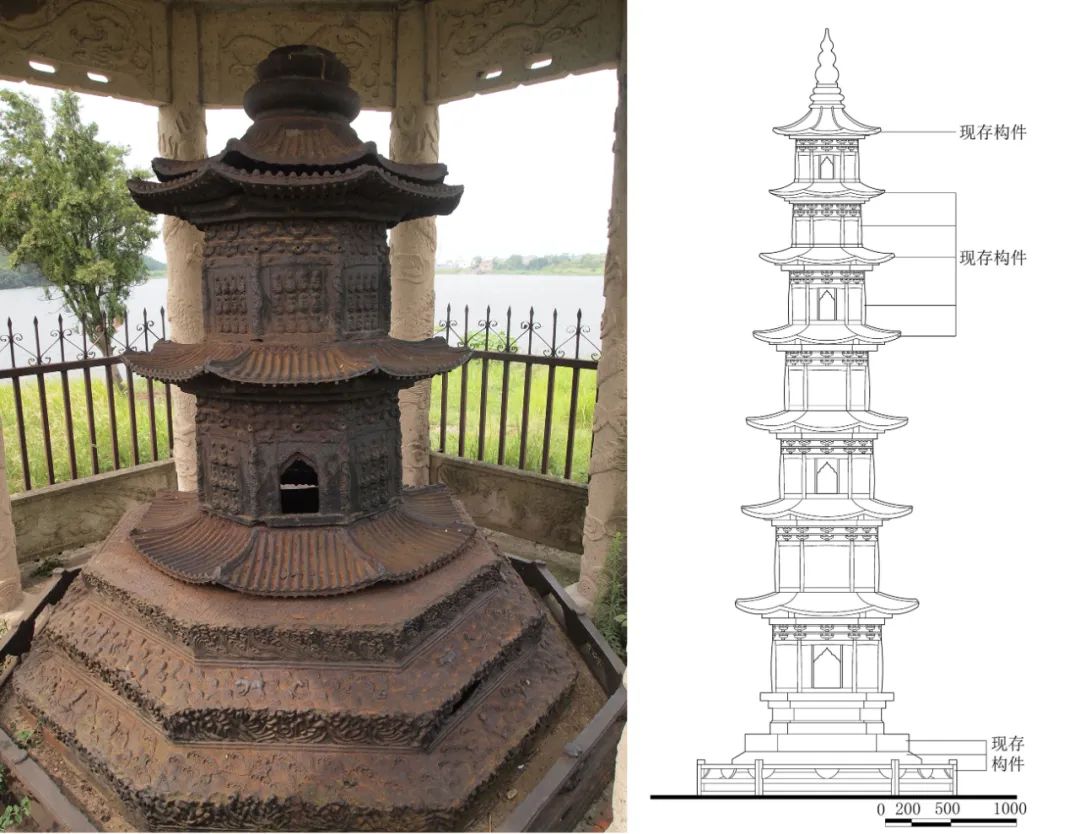
Fig. 27 East Tower of Shuanglin Temple in Yiwu, 952.
 

A) east tower
 

B) west tower

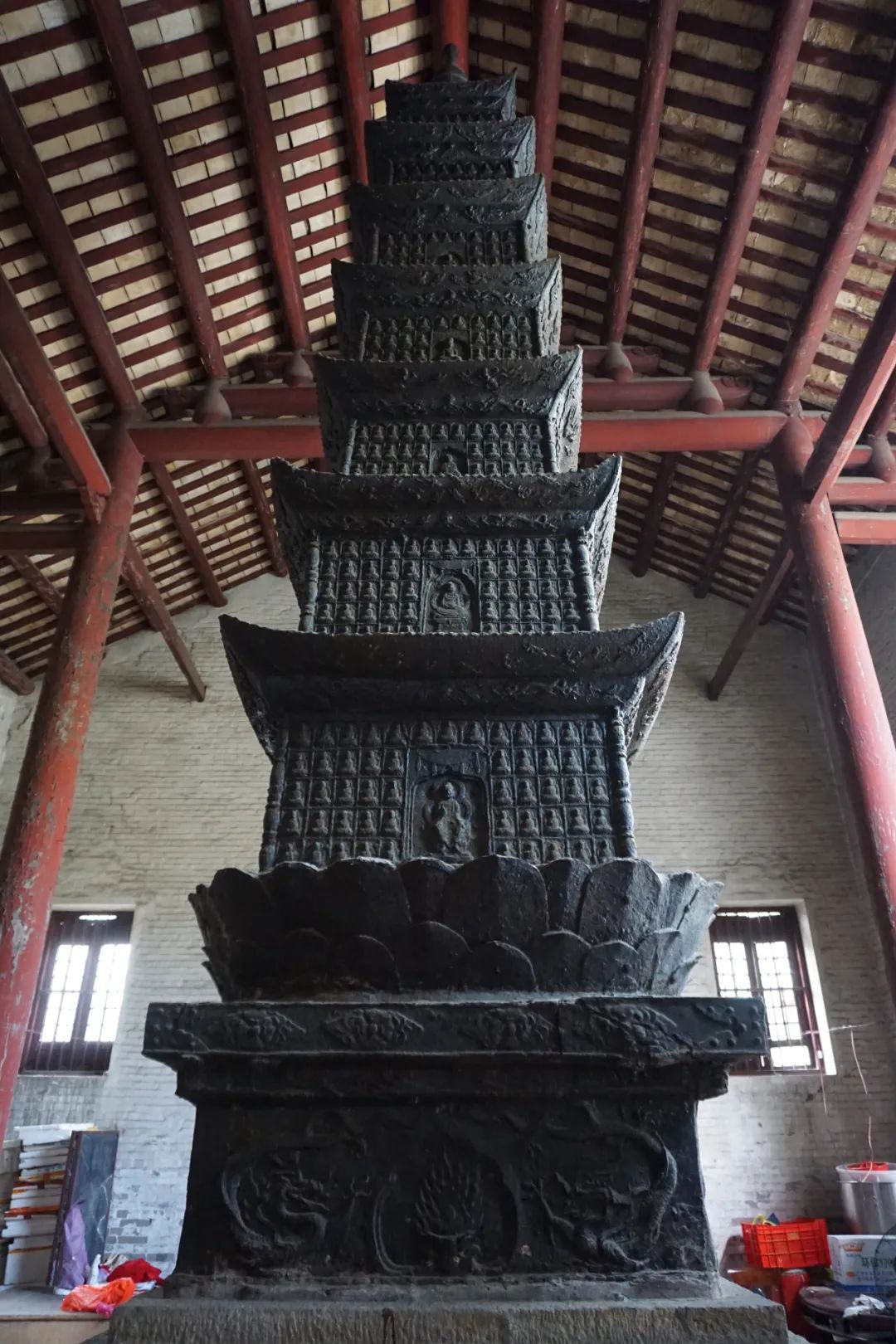
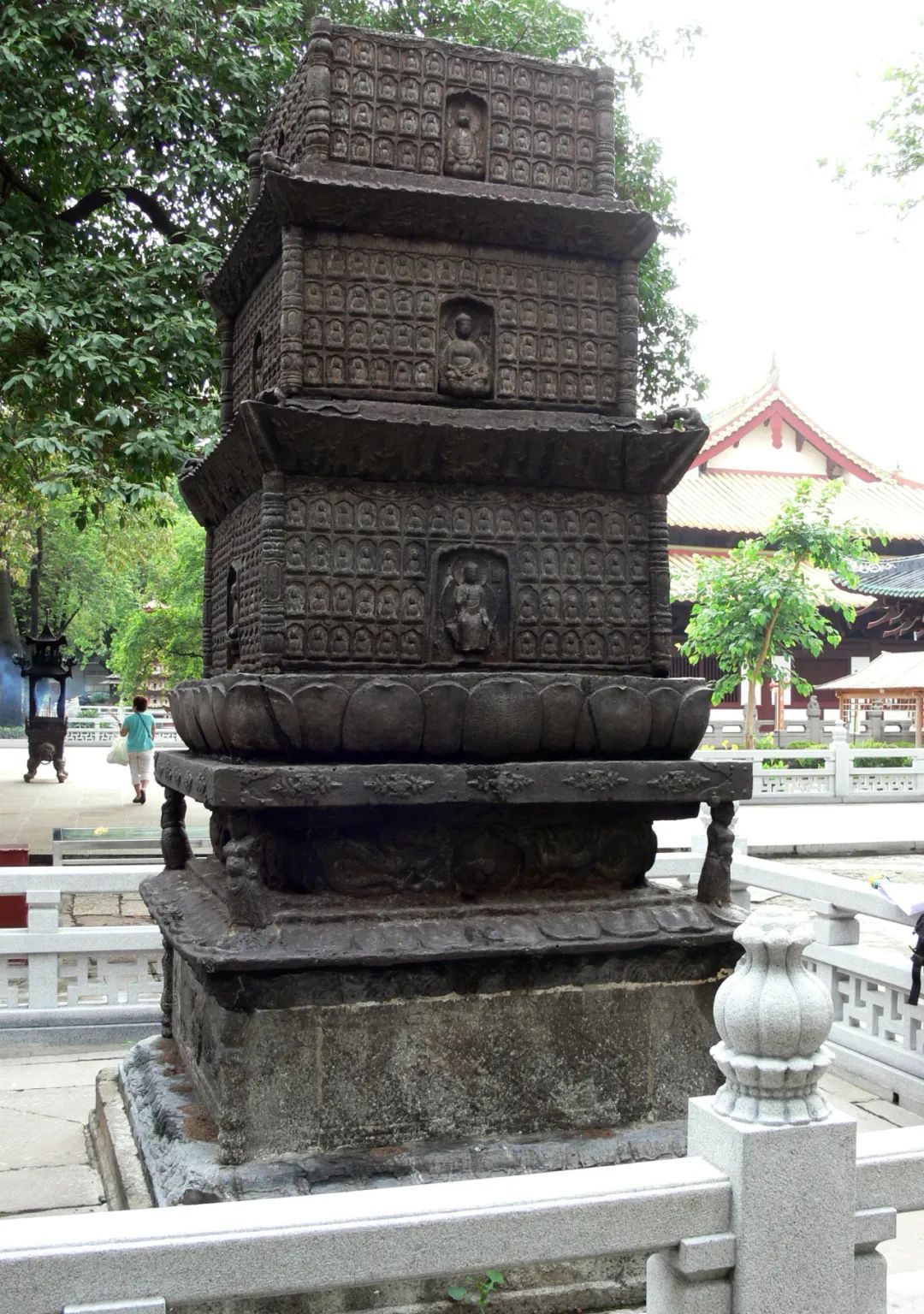
Fig. 28 East-West Tower of Guangxiao Temple in Guangzhou during the Southern Han Dynasty

Regarding the relationship between stupa architecture and images, another tower built at the same time as Zhakou White Pagoda can be used for reference. The East Tower of Shuanglin Temple in Yiwu was built in the second year of Guangxun in the last week (952). Now, only the bottom abutment and two-story tower body are left. After restoration, it should be a pavilion-like tower with eight sides and seven levels, with a total height of about 6 meters (Figure 27). The abutment is engraved with the pattern of "Eight Seas in jiusan", with four front doors on the first, third, fifth and seventh floors, and nine sitting buddhas on the four corners. On the second, fourth and sixth floors, all sides are sitting buddhas, with 12 statues on each side, and there are no architectural details. On the whole, there is no special image relationship between Buddha statues, and there is no complicated relationship between images and stupa buildings. Another example of the same period is the East-West Tower of Guangxiao Temple in Guangzhou in the Southern Han Dynasty, which is a seven-level pavilion tower with four sides. There is a large niche for a Buddha in the center of each floor, and the rest of the space is covered with small niches for sitting on the Buddha. Among them, the four buddhas on the first floor of the East Tower are Sakyamuni, Amitabha, Maitreya and Pharmacist (Figure 28), which are the same as the four buddhas on the third floor of Zhakou Baita. However, the Guangxiao Temple Tower is still the practice five generations ago, carving thousands of buddhas on the tower body, without pursuing the special relationship between images and buildings. It is no accident that the builders of Zhakou White Pagoda abandoned the above two common practices and presented a specific spatial layout of images and the particularity of the relationship between images and stupa buildings.
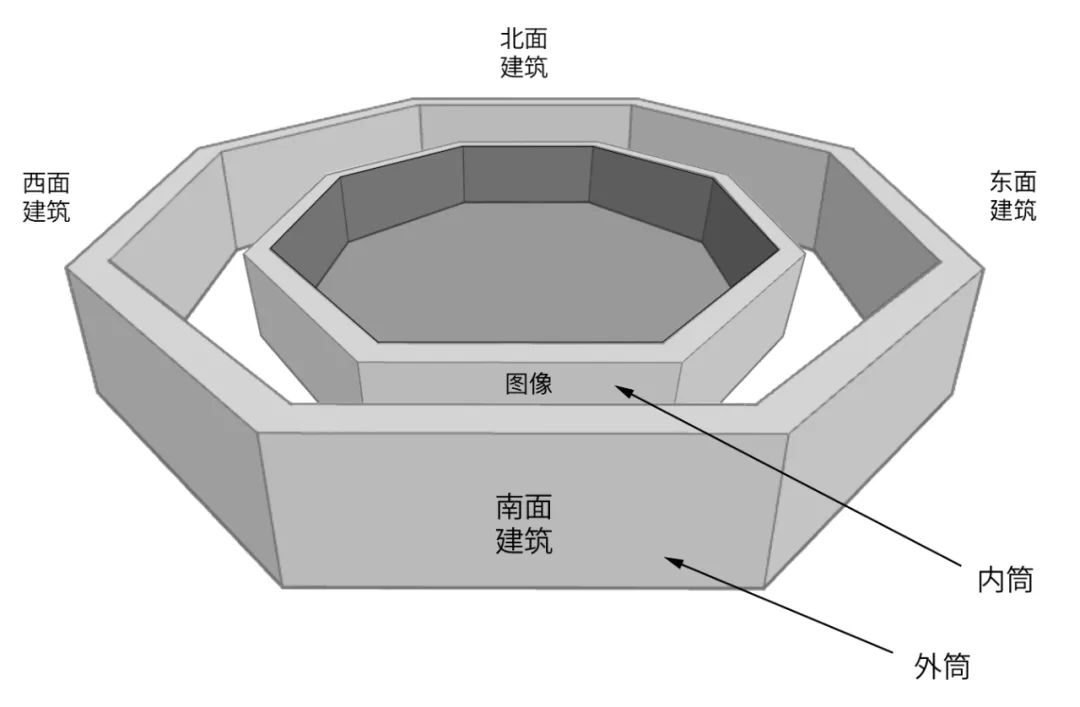
Fig. 29 Assumption diagram of the relationship between the white tower building at the gate and the image.

The author thinks that the carved image of the Gate White Pagoda and the building can be compared to the actual structural relationship between the inside and outside double sleeves, that is, four facades (buildings) are regarded as outside the tower and four corners (images) are inside the tower (Figure 29). These eight surfaces construct an imaginary space between the inside and outside of the pagoda, which provides the viewer with the possibility to imagine entering the stupa and then climbing the stairs from the bottom when he goes around the pagoda with the first floor to support the bodhisattva. First, climb the third floor to worship the four Buddhas one by one, then go up to the fourth floor, and go around the tower to the southeast to worship the Pilu Zhena Buddha and the three statues of Manjusri and Pu Xian, and then worship the Buddha step by step until the eighth and ninth floors, and follow the king and dragon king of the town stone pagoda to bypass the pagoda. The special size of the White Pagoda at Zhakou and the complicated but systematic images provide the possibility for the viewer to imagine it like this when going around the pagoda. Moreover, the accurate and meticulous performance of the imitation wood structure also enhances the realism of the detour to simulate the actual experience of circling the tower.

5.3 Virtual space
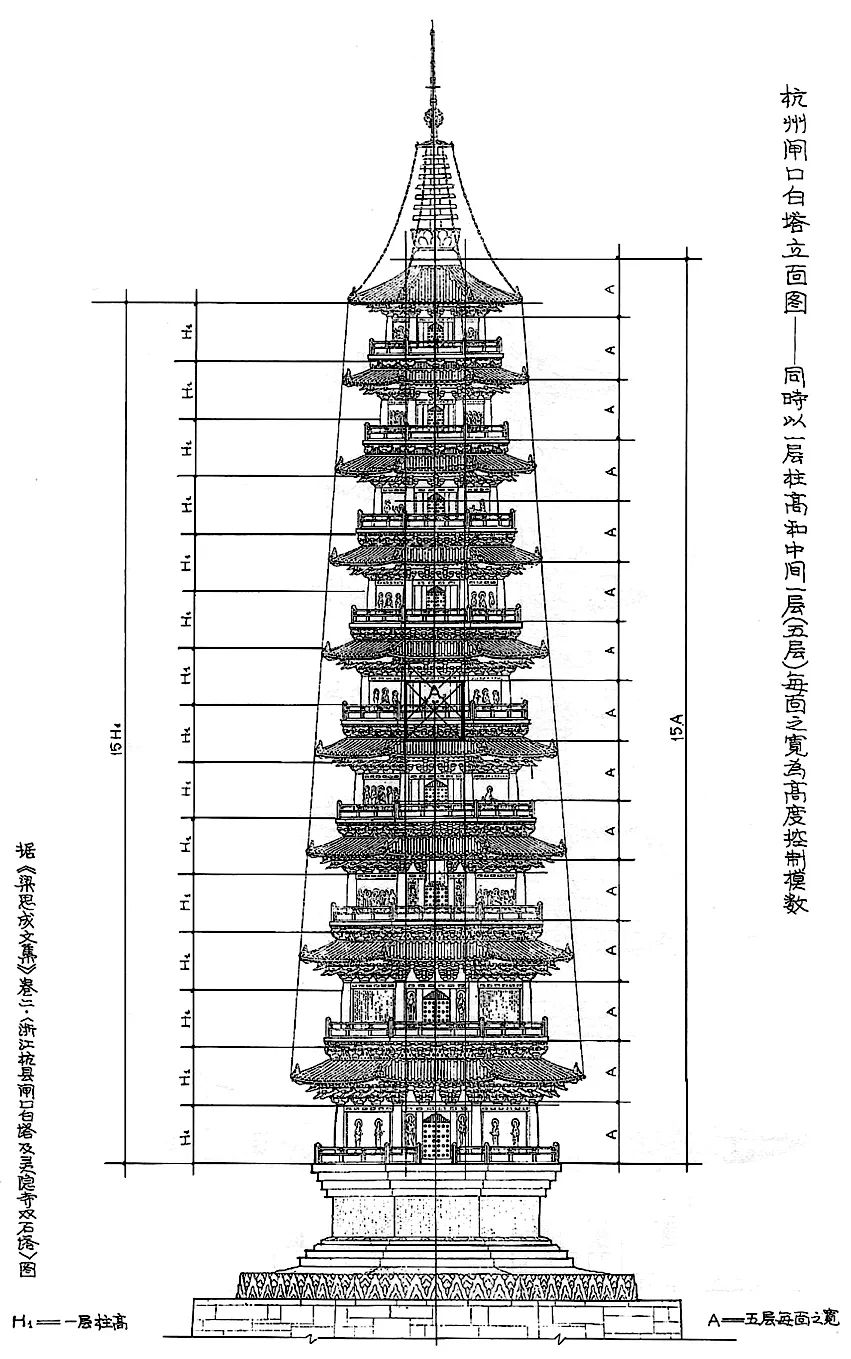
Fig. 30 Elevation of Gate White Pagoda

According to Liang Sicheng’s surveying and mapping, the total height of the Gate White Pagoda is 14.117 meters, and half of the total height is located on the fifth floor, that is, the middle layer of the stone pagoda. In addition, Fu Xinian also found that no matter the width of the fifth floor or the height of the first floor column is taken as the modulus for calculating the ratio of tower height, the center position of the tower also falls on the fifth floor (Figure 30). That is to say, the fifth floor is the most important floor in the whole tower in terms of architectural proportion and design modulus, which is different from the fourth floor where the most important image of Peluzenafo is located. However, from the overall image configuration, the "walking monk image" carved on the southeast side of the fifth floor (Figure 23) is indeed the most unique among the stone pagodas, and it has special meaning.
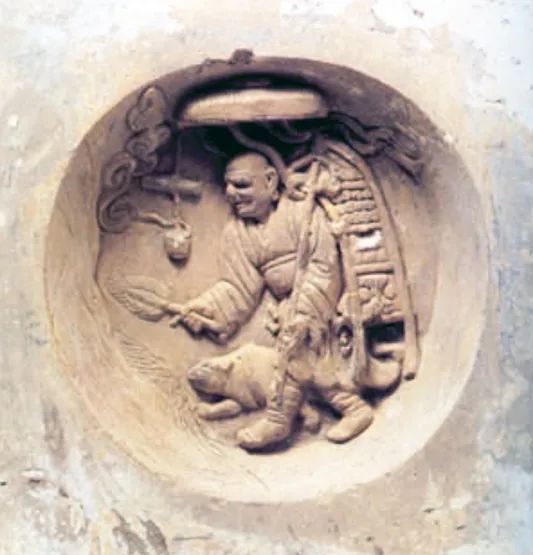
Figure 31 Statue of a Walking Monk in Kaifeng Fanta in Northern Song Dynasty
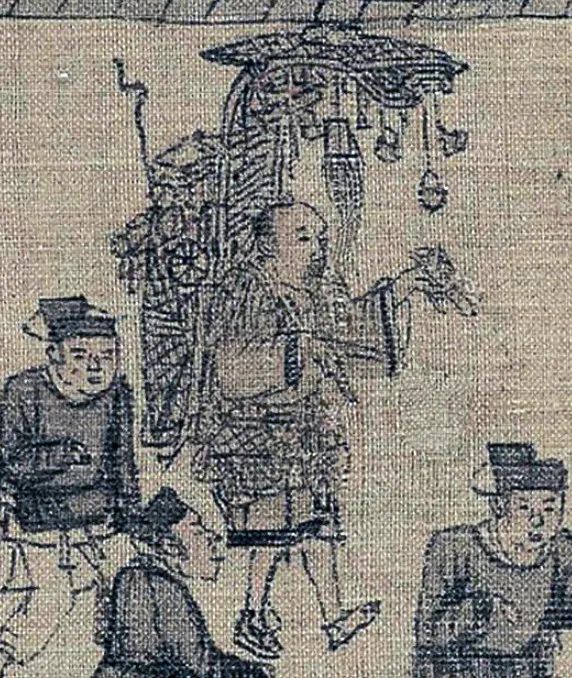
 

Fig. 32 Monks in Zhang Zeduan’s Riverside Scene at Qingming Festival in the Northern Song Dynasty.

The 10th century during the period of Wu Yue-guo was the period when the image of "Walking Monk" was popular, which had something to do with the active activities of seeking and spreading Buddhism at that time, and scholars had discussed it a lot. In particular, Xuanzang’s Buddhist scriptures have gradually become the prototype of a wandering monk, being deified, appearing in Buddhist images of specific dharma-seeking scenes, and can be seen in Dunhuang murals and materials unearthed in Tibetan scriptures caves. In fact, "Walking Monk", as a painting theme, had already appeared in the Tang Dynasty, and the "Famous Paintings of Past Dynasties" recorded the "Walking Monk Statue" painted by Wu Daozi in the Buddhist Temple of Changshou Temple in Tang Dynasty. In the Five Dynasties and the early years of the Northern Song Dynasty, the walking monk was also used as a motif alone. For example, the Kaifeng Pagoda in the Northern Song Dynasty had a statue of the walking monk as a support (Figure 31), and the name and year of the tower-building donor were engraved. On the other hand, Zhang Zeduan’s The Riverside Scene at Qingming Festival in the Northern Song Dynasty also depicts the image of a monk (Figure 32), which shows that monks who often travel to seek dharma at that time did not seek dharma, but the meaning of monks "walking" in the noisy market. The walking monk who appeared in the building center of Baita at Zhakou lacked the combination of relevant elements of seeking the scriptures and seeking the dharma, and regarded it as a simple image of support. Facing west, it is in a gesture of action. From the image combination and configuration of the whole tower, it looks more like a monk walking around the tower, which is consistent with the trend of other dynamic images on the White Tower. It seems that in the virtual imagination space of the White Tower at the gate, it can replace the viewers who can only walk around the tower on the ground, worship the Buddha statues layer by layer and go around.

6 the creation of three-dimensional religious space

After discussing the White Pagoda at Zhakou, we can understand how craftsmen conceived the tower structure and the spatial relationship between the inside and outside of the tower in the absence of a wooden pavilion tower as a prototype. Among them, the innovation of architectural technology is a necessary condition, and the White Pagoda at Zhakou, which was built in 957, made an important reference, or a "model", for the later construction of wuyue stupa.
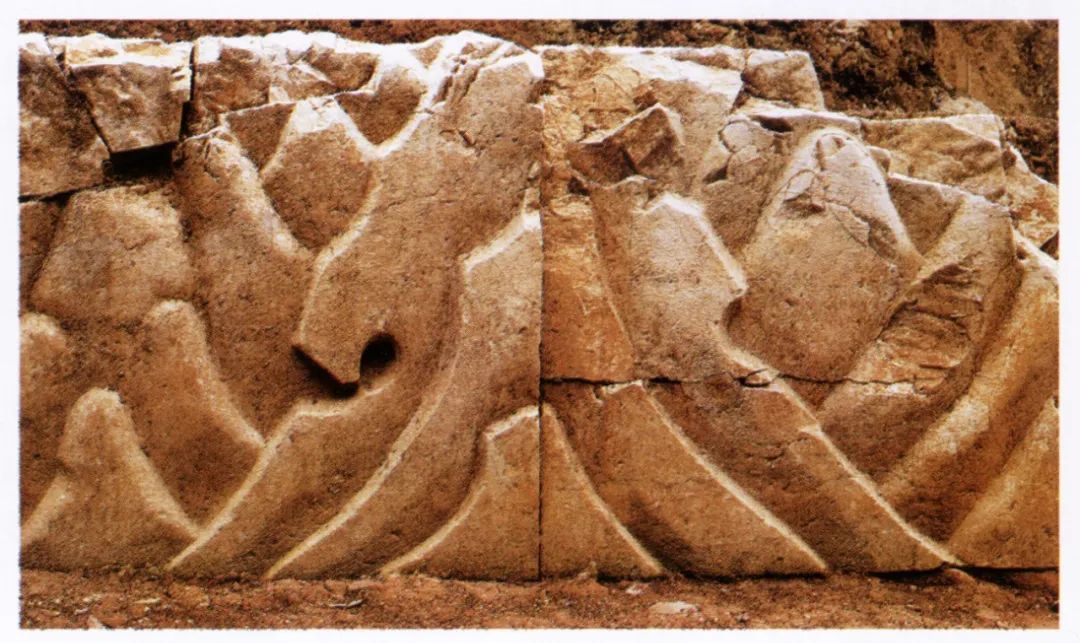
Fig. 33 "Eight Seas of jiusan" is carved on the base of Leifeng Tower.
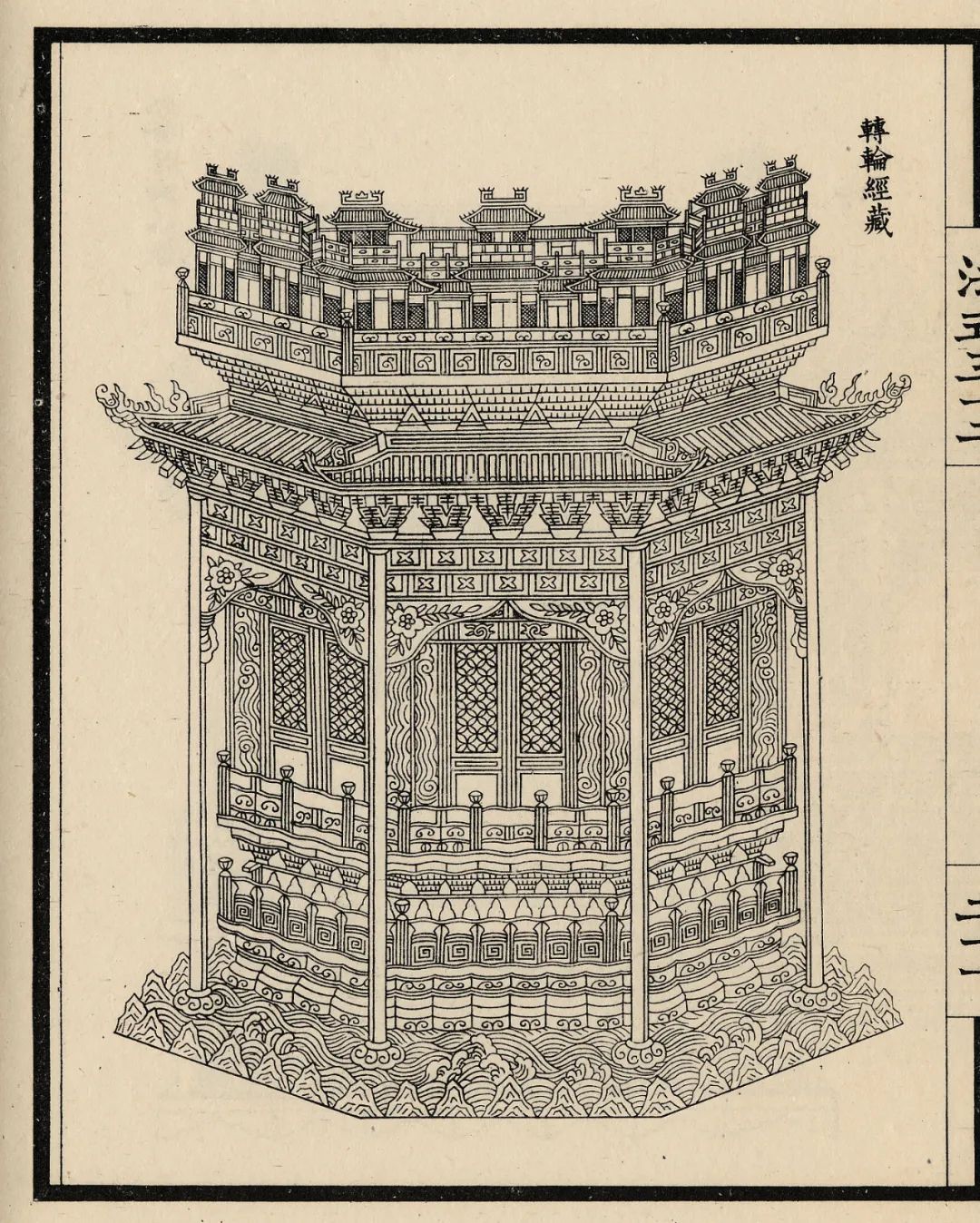
 

Fig. 34 "Building French Style" Runner Classic Tibetan Pattern

The collapsed Leifeng Pagoda provides the clearest and most reliable materials about the cultural relics hidden in the pagoda in wuyue. Leifeng Tower, built in 972, is a pavilion-like tower with octagonal five-level wooden eaves and brick body. During the excavation of the site in 2000-2001, a well-preserved tower foundation was revealed on the east side, which was shaped as a double stone sumeru, and the surface was carved with the decorative pattern of "Eight Seas in jiusan" (Figure 33). Carving "Eight Seas of jiusan" on the soil lining of the tower foundation is one of the characteristics of wuyue stupa, but the existing examples are mostly found in smaller towers such as stone pagodas or iron towers, rather than actual pagodas. In the northern song dynasty, Li Jie mentioned in the "stone making system" in "Building French Style" that "the earth lining … made a sudden treasure mountain on the outside and a pool on the surface". However, what is closer to the pattern of "Eight Seas in jiusan" seen in wuyue is the pattern of "Runwheel Sutra" in Volume 32 (Figure 34), which belongs to the category of Joinery Work. The book "Building French Style" was written at the end of the Northern Song Dynasty, which is not enough to represent the use of this kind of wavy pattern in wuyue. However, Leifeng Tower carved the surface of the double abutment into the pattern of "Eight Seas in jiusan", probably referring to the small-scale white pagoda at that time or the twin towers of Lingyin Temple in Hangzhou. Patterns can also be used as indirect evidence that the actual pagoda is based on the small pagoda.

As discussed earlier, the Leifeng Tower is a double-sleeve structure (Figure 11), and the underground palace is directly below the ventricle of the first floor tower. From the collapsed tower, a large number of cultural relics were also found, which confirmed that there was a heavenly palace in the heart of Leifeng Tower where offerings were hidden. In fact, there are three Ashoka Pagodas unearthed from Leifeng Pagoda. Apart from the complete Ashoka Pagodas with gilded pure silver in the underground palace, there are two in the Heavenly Palace, one made of pure silver and the other made of copper, which were all broken when unearthed. It is not known whether there are relics hidden inside. During the excavation, we also found a collection of scriptures brick, among which the Darani Sutra printed by Baoyu, the so-called "Leifeng Pagoda Collection of Scriptures" (Figure 14). According to the ruins of the collapse, the bricks of Tibetan scriptures are only built on the top floor of the tower. That is to say, the location of the tower center of Leifeng Pagoda, from the underground palace and the heavenly palace to the top floor of the supporting pagoda, constitutes the vertical center of the pagoda. In addition, according to the Darani Sutra of the Seal of Treasure, if the seal of treasure is included in the tower, the tower will become a tower made of seven treasures, which is equivalent to the whole body relic of the Tathagata of the third Buddha. If someone "surrounds this tower for a week, all kinds of sufferings will be relieved". The Leifeng Pagoda with the seal of the treasure is naturally used for detour. In addition to the secondary turns outside the pagoda and the double-sleeve space structure inside the pagoda, it also provides space for the supporters to enter the pagoda and detour around the pagoda center layer by layer, realizing the virtual reality that the White Pagoda at the gate can only be completed by the imagination of the viewer. As for how to climb the stairs in the tower, there is no textual research because of the collapse of Leifeng Tower. Fortunately, Yunyan Temple Pagoda still largely preserves the original space in the pagoda, which may answer questions.
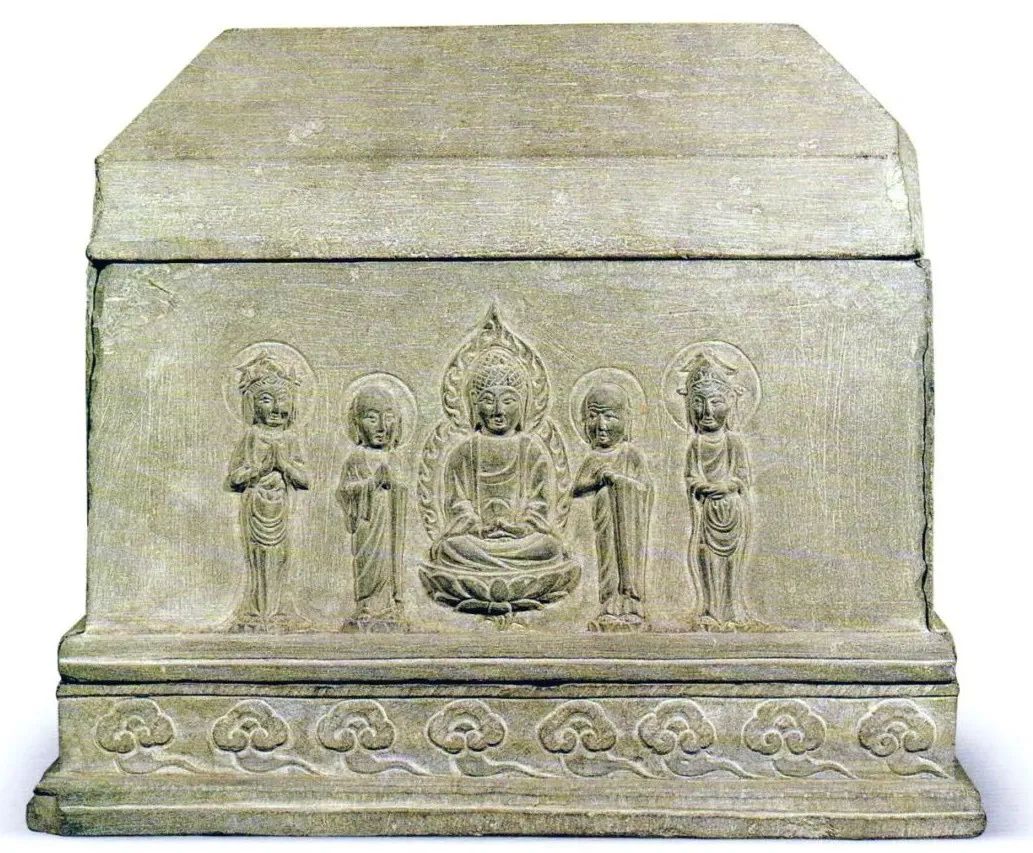
A) Five statues of Maitreya Buddha

Fig. 35. Stone Letter of Civil Classics Box from the Second Floor of Yunyan Temple Tower.
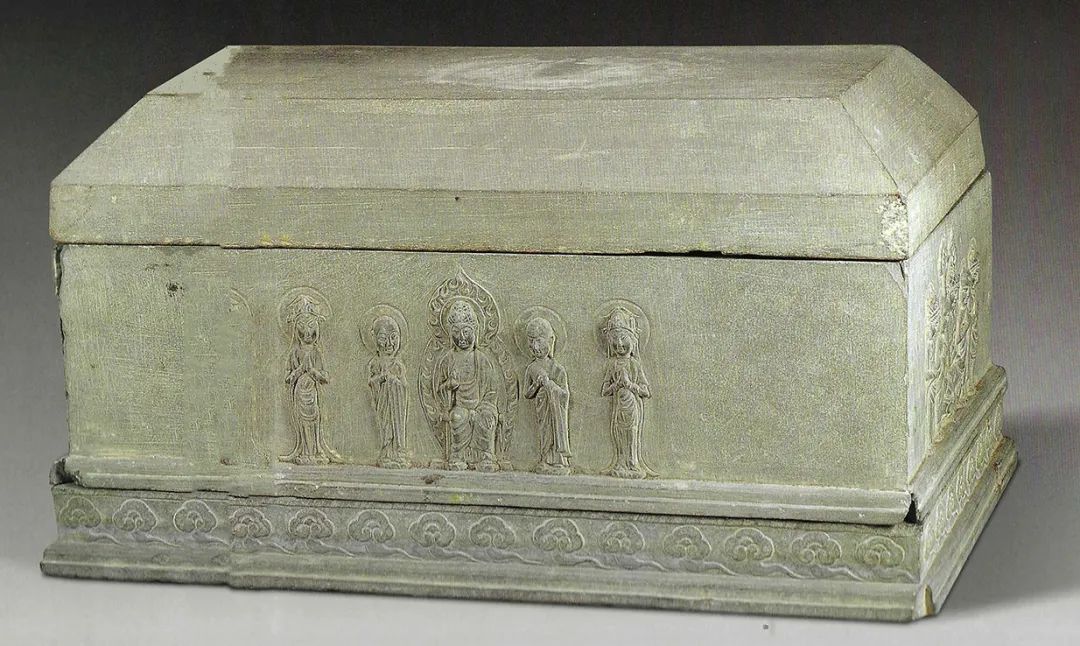
 

B) Five statues of Amitabha Buddha

Fig. 35. Stone Letter of Civil Classics Box from the Second Floor of Yunyan Temple Tower.

Yunyan Temple Pagoda was built in 961, only a few years later than Zhakou White Pagoda. It has seven floors inside, consisting of a tower ventricle and a cloister (Figure 7), and each floor has wooden stairs at the cloister for climbing. During the renovation in 1956, the Heavenly Palace, Asoka Tower, Buddha statue and various offerings were found at the top of the ventricles of the towers on the second, third and fourth floors. Among them, the second floor of the Temple of Heaven’s "nanmu Sutra Box" was found to have decayed Buddhist sutras. The wooden sutra box was originally placed in the stone letter, and five statues of one Buddha, two disciples and two bodhisattvas were embossed on each side of the stone letter (Figure 35). The main statues were Sakyamuni and Maitreya, while the pharmacist Buddha and Amitabha Buddha were separated before and after. The arrangement of the four statues was the same as that of the four buddhas in the four corners of the third floor of the White Pagoda at Zhakou. On the whole, the spatial relationship constructed by buildings and images in Yunyan Temple Pagoda is similar to that of Zhakou White Pagoda, which is also built outside and includes Buddha statues. When the providers enter the pagoda and walk around the pagoda along the cloister between the inner and outer sleeves of the pagoda, they are also offering worship to the Buddha statues, relics and offerings hidden in the Heavenly Palace.
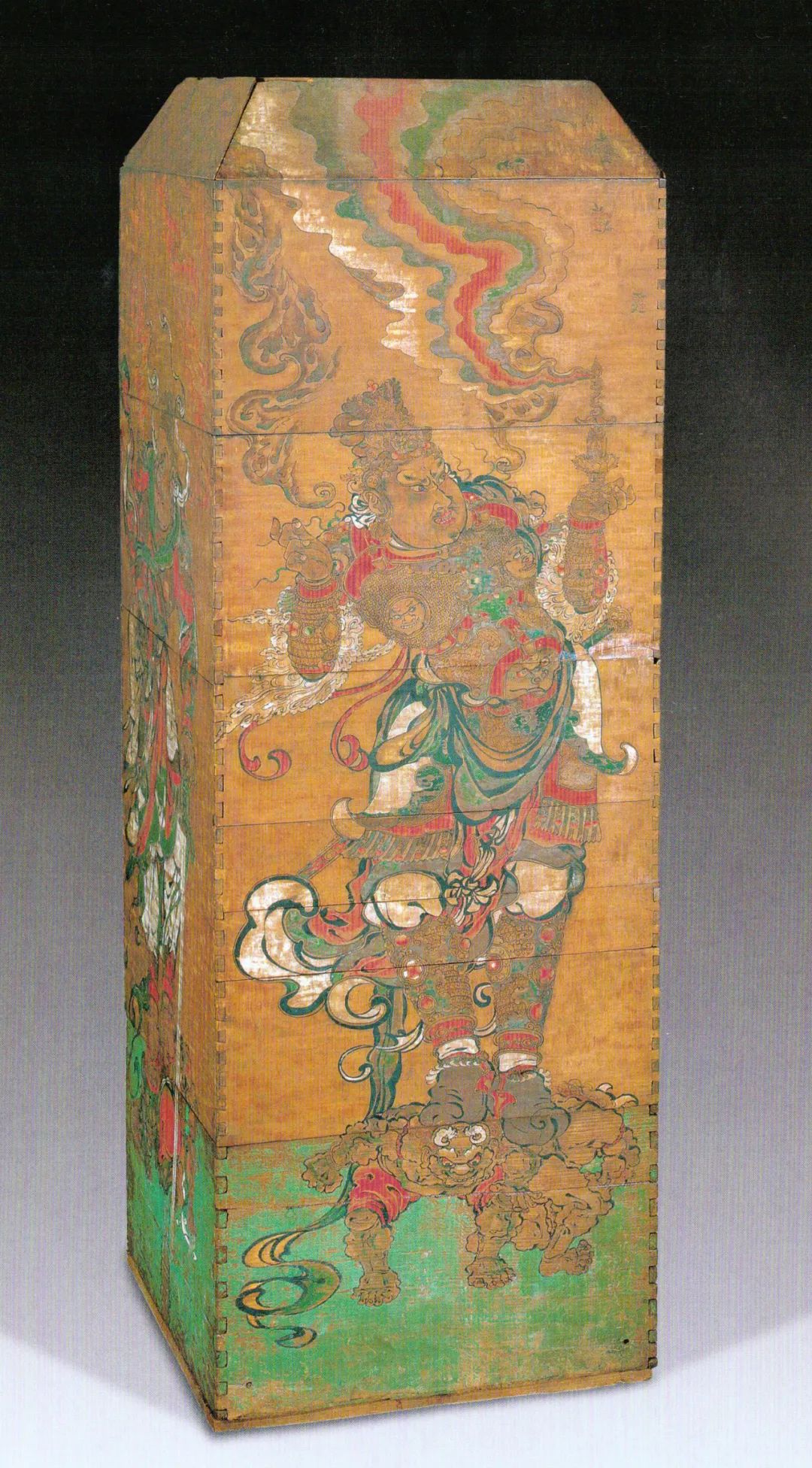
Fig. 36 One of the Four Heavenly Kings is painted on the wooden letter of the Tiangongbao Building on the third floor of the Ruiguang Tower.
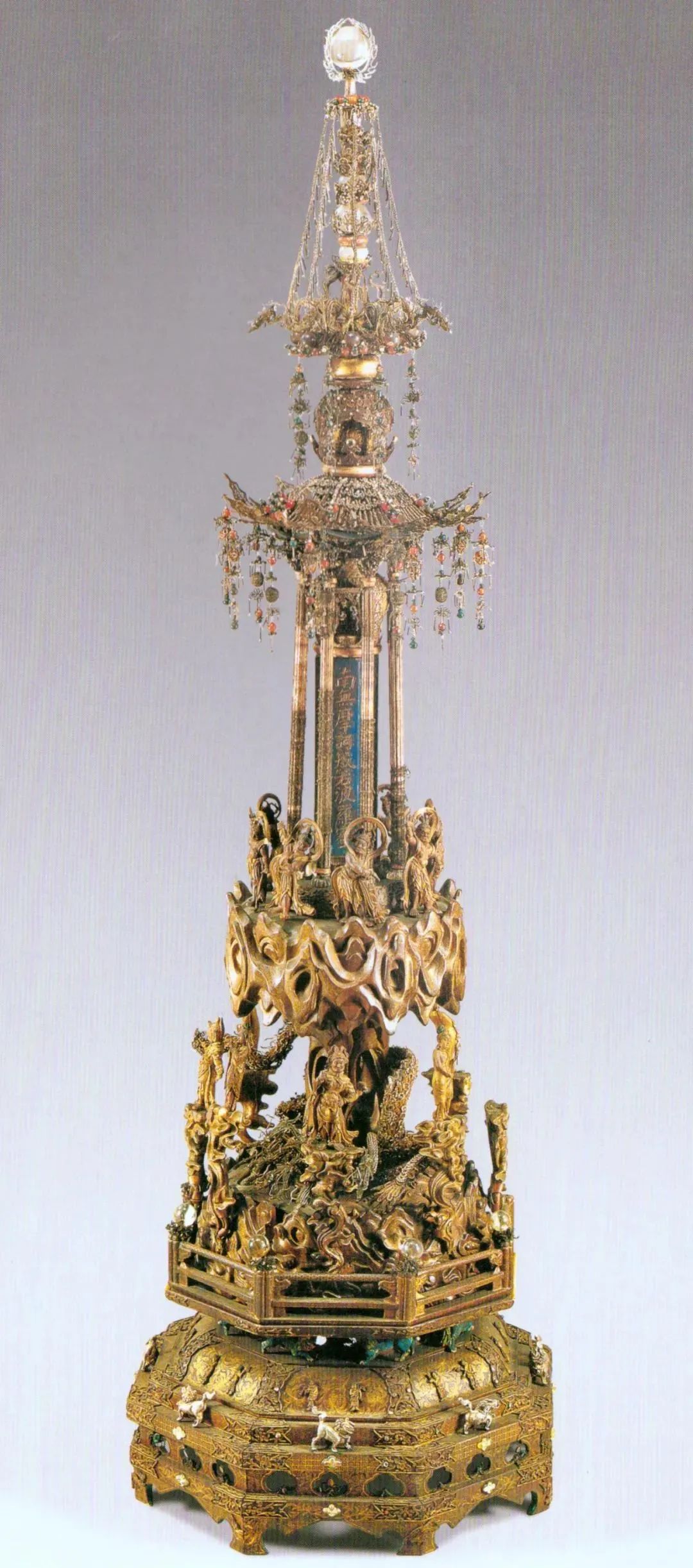
 

Fig. 37 The octagonal tower in the center of Pearl relic building in Tower Heart Tiangong on the third floor of Ruiguang Tower.

If the research object is extended to the Ruiguang Pagoda in the early Northern Song Dynasty, we can also observe the continuous development of the masonry pagodas in wuyue after entering the Song Dynasty. As we have seen before, Ruiguang Tower is a brick tower with eight sides and seven eaves. It was built in the first year of Jingdezhen in the Northern Song Dynasty (1004). During the two renovation projects in 1978 and 1980, the lost cultural relics were found in the third tower center and the second tower wall respectively. Among them, a rectangular heavenly palace was found in the center of the tower on the third floor. In addition to all kinds of gold and copper sitting buddhas, there is also a copper Ashoka Tower. At the same time, we also found a wooden letter of a treasure building with a height of 123 cm (Figure 36), with one king painted in colors on all sides, which reminds us of the four kings embossed on the four corners of the eighth floor of Zhakou White Pagoda. Inside the wooden letter, there is a pearl relic treasure building, and there is an octagonal scripture building in the center of the treasure building (Figure 37). The inside is hollow, with a gourd-shaped bottle and nine relics. There is also a folded Chinese and Sanskrit Darani Sutra Mantra.

The Ruiguang Tower also adopts a double-sleeve structure, but the inner tube tower center is solid, the lower five floors are cloister-shaped, and the top two floors are connected into one (Figure 13). There are wooden stairs for the upper and lower floors, which are similar to Yunyan Temple Pagoda in shape. Its spatial structure is the outer wall of the pagoda building, the cloister, the solid tower center, the Tiangong in the tower center, the Buddha statue hidden in the Tiangong, and the most central relic and mantra from outside to inside. Ruiguang Pagoda was built in the early 11th century, which seems to sum up the development of brick and stone pagodas in wuyue since Qian Chu took charge of state affairs and revitalized Buddhism. In addition to structural innovation, it also developed a spatial relationship that was orderly constructed by architecture, images and relics, providing a complete religious environment for worshippers to bypass worship. Interestingly, in the initial investigation report of the Ruiguang Tower in 1965, it was mentioned that a tunnel was found in the east outer wall of the first floor, in which many wooden figurines in the shape of monks were placed. The report only published photos of two of them (Figure 38), with heights of 29.5 cm and 38.5 cm respectively. Regarding these wooden figurines, the report describes them as follows: "These wooden figurines are arranged in two layers, with two wooden figurines lying side by side on each layer, and a pair of wooden figurines are longitudinally connected in turn against each other. The wooden figurines are connected with gypsum, which seems to be a continuous circle around the tower." If the report is correct, these wooden figurines hidden in the tower wall seem to be like pairs of offering bodhisattvas at the four corners of the first floor of the White Pagoda at Zhakou. Any believer, whether outside or inside the pagoda, will follow them around and then climb the stairs.
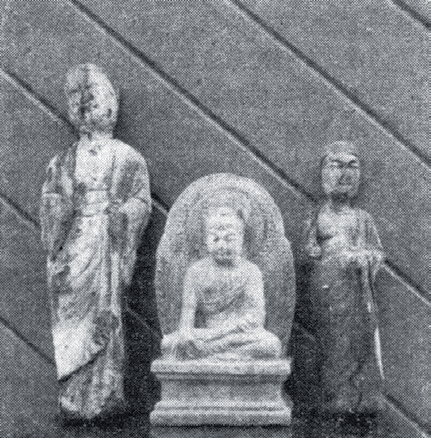
Fig. 38 Monk-shaped wooden figurines (left and right) found in the east wall of the bottom floor of Ruiguang Tower.

The religious space embodied in the Ruiguang Pagoda was indeed manifested in the virtual reality constructed by buildings and images in the Zhakou White Pagoda half a century ago. The Darani mantra on the second floor of the Zhakou White Pagoda can be regarded as the sacred center of the Pagoda. Around this center are the Buddha statues on each floor, which are guarded by the four great kings on the eighth floor. The images on the four corners and the buildings on the four fronts form a space around the Pagoda, just like the walking monk on the fifth floor, and the supporters follow the surrounding bodhisattva layer by layer. Perhaps, as Liang Sicheng said, Zhakou White Pagoda is a concrete and subtle model, which compresses the multi-level space of the masonry pagodas in wuyue at the same time from the inside out.

7 wuyue stupa: a new paradigm

In the above analysis, the White Pagoda at Zhakou is regarded as a model to interpret the masonry pagodas in wuyue, which is suspected of shooting arrows and drawing targets. However, judging from the construction time, Zhakou White Pagoda is indeed earlier than other wuyue masonry pagodas, especially the pagodas mainly analyzed in this paper are all in the central area of wuyue. In 1955, when Qian Chu began to fully promote Buddhism, including casting the Ashoka Pagoda and engraving the Darani Sutra, a new concept of stupa appeared in wuyue, which promoted new masonry technology and gave birth to the White Pagoda at Zhakou and the wuyue Pagoda with new features. Such a historical development is not impossible. More importantly, the material and scale of the white pagoda at Zhakou give the pagoda a new way of expression and induce different imagination spaces about it. However, in order to imagine the solid stone pagoda as a stupa with spatial hierarchy and internal and external relations, different visual methods are needed.

In the past, the study of stupa mostly distinguished architecture from other Buddhist elements (such as images and relics) as different research topics, as well as the White Pagoda at Zhakou. In particular, the accuracy of the details and proportions of the imitation wooden structure of Zhakou White Pagoda is considered as an important example to fill the history of wooden architecture in this period, but it ignores the scale reduction of stone pagodas and the significance of Buddhist images.

7.1 Buddhist visual culture of masonry materials
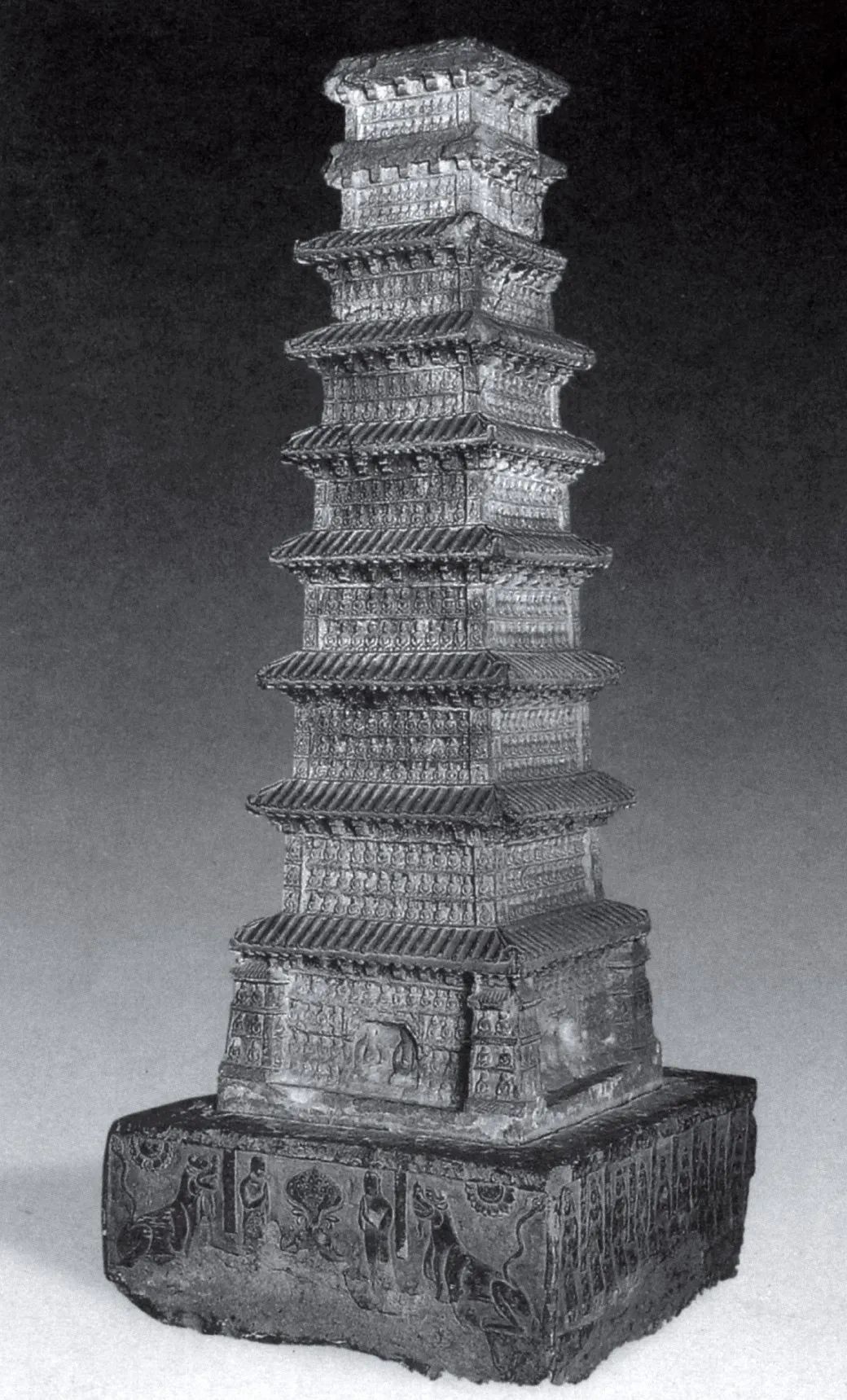
Fig.39 Dutta, Cao Tian, 466.
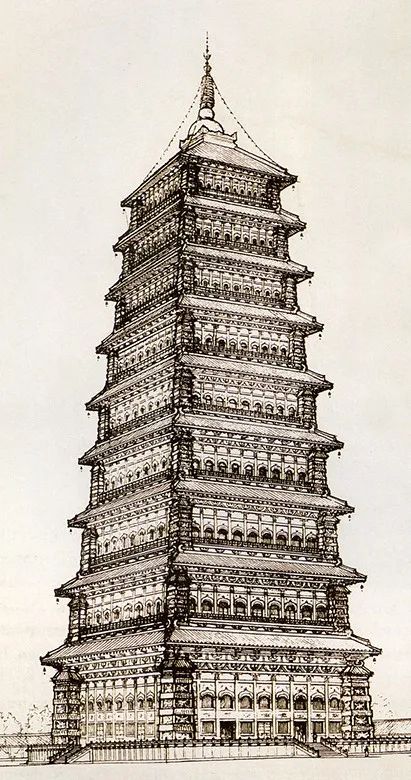
 

Figure 40 Restoration of Yongning Temple Tower in Luoyang

Since the Wei, Jin, Southern and Northern Dynasties, there have indeed been countless stone pagodas carved with different Buddha themes (Figure 39), but in fact, pagodas are usually only partially sculpted for decoration, and they have never been covered with relief sculptures. Early high-rise pagodas, such as Yongning Temple Pagoda in Luoyang, Northern Wei Dynasty (Figure 40), only had statues in the first floor of the pagoda, and the pagoda body was not decorated with Buddha statues. However, this does not prevent Buddhists from contributing to support the small stupa covered with Buddha statues-an ideal model that only exists in imagination when actually building the pagoda. In the religious visual language of China in the Middle Ages, this kind of expression was very common. For example, in the depiction of the lecture and dharma meeting in Dunhuang classics paintings, the Buddha, the threatened bodhisattvas and many offering bodhisattvas were generally painted in the open space outside the Buddhist temple instead of inside the Buddhist temple, and everyone listened attentively to the Buddha’s lecture and dharma. People will not mistake the visual expression in murals for reality, but in the Buddhist context, these changed paintings externalize the "visual imagination" in the viewer’s mind, and at the same time give the actual Buddhist temple architecture more religious significance.
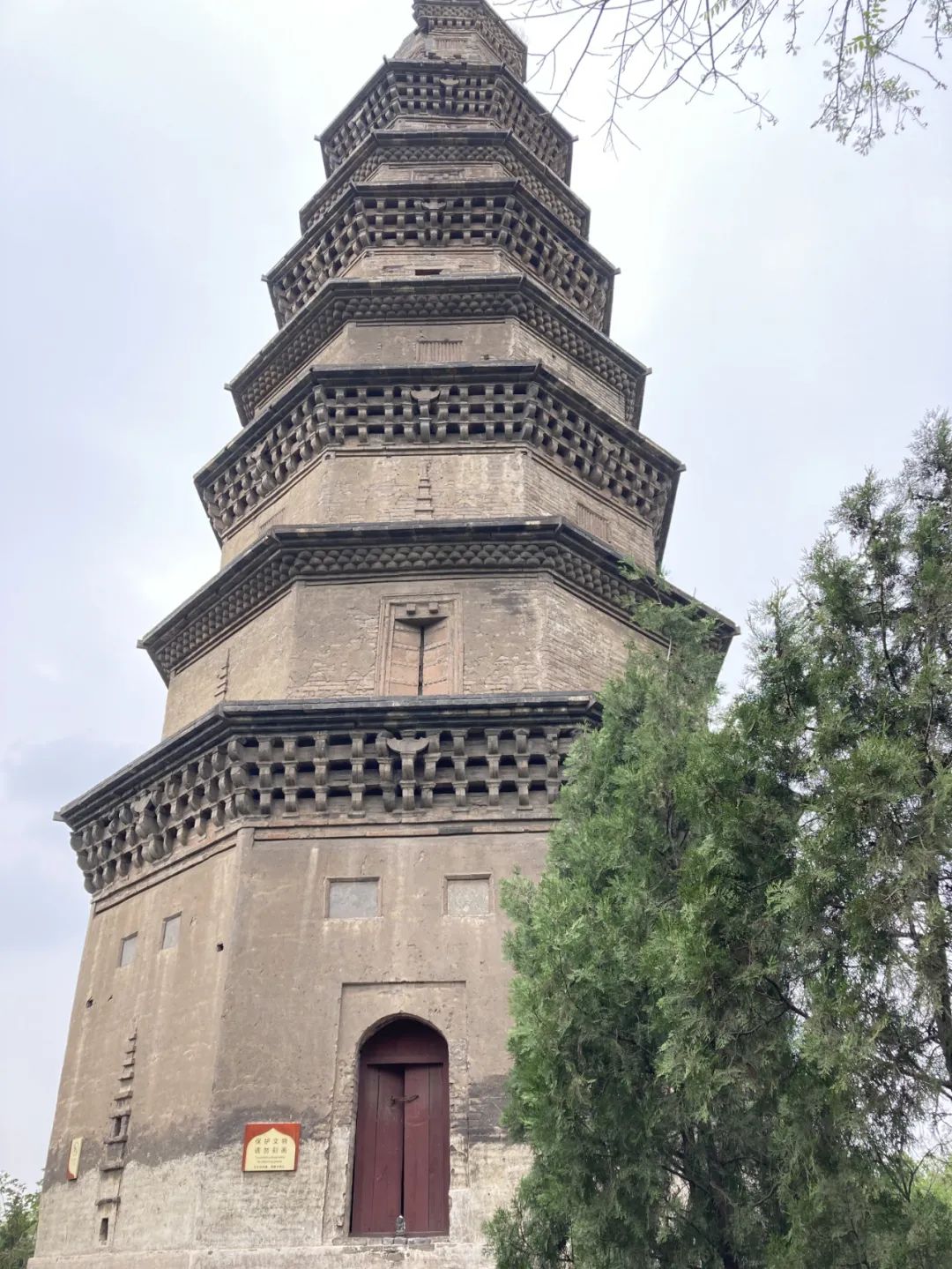
Fig. 41 The image of monks opening the door of brick tower in Northern Song Dynasty in Changle Temple, Handan.

Furthermore, in the late Tang Dynasty and the Five Dynasties, wooden-like tombs rose, which were found in the tombs from Hebei and Shanxi to Guanzhong in the north and from Qianshu in Sichuan to the later Tang Dynasty in Nanjing in the south. Among them, the brick carving "opening the door" image is one of the popular images at this time, suggesting that there is another space behind the brick carving door. Coincidentally, the same door-opening images also appeared more and more on brick towers after the end of the Tang Dynasty (Figure 41). In order to avoid the stress on the brick structure of the tower wall being too concentrated, the positions of the doors, windows and solid walls on each floor of the tower will change randomly. It is a common practice to make fake doors and windows on the tower surface where the doors and windows are not opened, but the image of "opening the doors" seems to further imply the space that can be entered after the fake doors, so that the bricks and stones can be penetrated in the viewer’s visual imagination and increase the depth of the space.
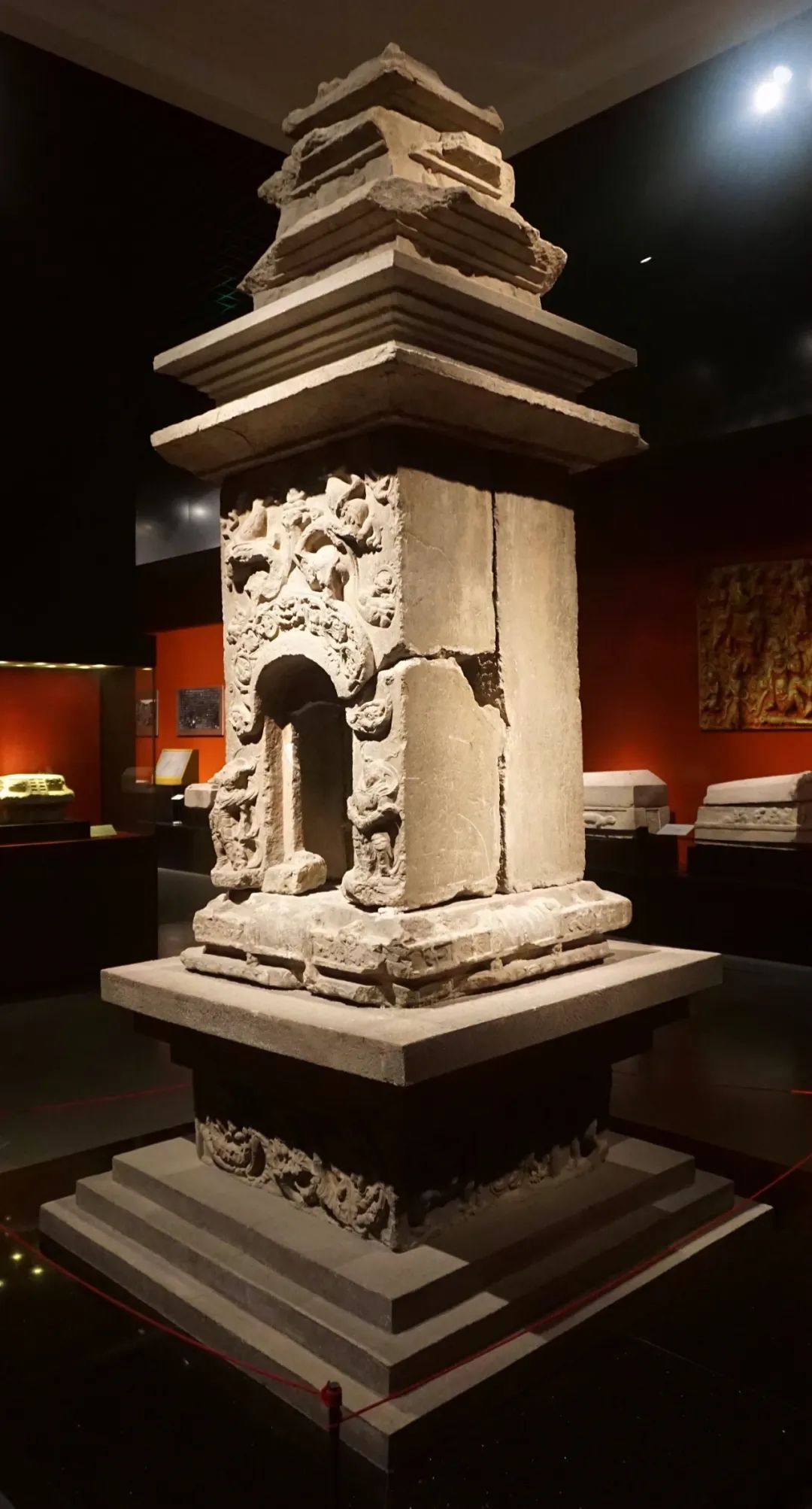
Fig. 42 Yang Zan Statue Tower in Tianbao Second Year (743) in Shifosi Village, Qingzhou, Shandong Province.

The visual language adopted by the Gate White Pagoda and the imagination of the material of the stupa should be understood in the big historical background, and its special scale also serves such visual imagination. As mentioned earlier, there was a wave of building small stone pagodas with dense eaves in the prosperous Tang Dynasty. The most special thing is that these small stone pagodas were built in the form of miniature pagodas on the first floor above the tower foundation, and multi-storey eaves were placed on them to imitate the structure of brick pagodas with dense eaves. Compared with the scale of tens of meters in real dense eaves towers, the height of such small stone towers is only 2 ~ 4 meters, and the highest one is only about 7 meters. However, the description of the tower by the inscription on the tower body is not limited to the actual scale of the small stone tower. The statue tower of Yang Zan in Tianbao II (743) in Shifosi, Qingzhou Village, Shandong Province (Figure 42) has a residual height of 263 cm and a total height of 350 cm after restoration. When Ta Ming described the process of building a tower, he described it as a towering tower:

If there is no cover, please have a good relationship, stack the cymbals, and set up the pavilion; Overlooking the Wan Ren, it stands upright. E e wind brake, soaring with the wind law; The dragon niche, Yun He and cymbals … Its word is: 壹 壹 壹 壹 壹 壹 壹 壹 壹 壹 壹 壹 壹 壹𷧁22 Tong Tong baa baa, Duhe Palace Xi into Guiqi; Next to the hell, the town is solid, and the upper part is the cloud; Thousands of years and generations are immortal, and all kinds of people fly together.

According to this idea of support, and considering the complex architectural details and image configuration of the White Pagoda at Zhakou, the reduced scale can easily enlarge the new functions and significance of the Pagoda in wuyue period, while not reducing its sacredness.

8 Conclusion

The rise of pagodas in wuyue has something to do with the prosperity of Buddhism in this area and the worship of pagodas promoted by Qian Chu at the end of wuyue. However, how to build and use building materials, whether to continue the traditional form and structure or find another way out, are issues that need to be considered. Due to various factors, the decline of wooden high-rise buildings at the turn of Tang and Song Dynasties contributed to the development of masonry in wuyue. However, the characteristics of masonry are different from those of wood. Whether it is to build a wood-like structure or create an internal space, builders are urged to seek new technologies and ways. The White Pagoda at Zhakou, which was built in the center of wuyue and in the early stage of Qian Chu’s Buddhism revitalization, has constructed the religious space and significance of the wuyue Pagoda in a unique way. The relationship between buildings and images, the virtual cloister formed between buildings and images, the continuous vertical space, and even the most central Darani scripture, etc., create an orderly sacred space in the tower, provide the imagination of entering the tower to bypass the Buddha, and pass it on to the Buddha-worshippers around the tower through the miniature architectural form of the White Pagoda at Zhakou, which has become the most important spatial vocabulary and architectural features of the wuyue Masonry Pagoda. This also reminds us that architectural considerations such as materials, construction techniques and structural methods are inextricably linked with the spatial design, function and significance of the stupa, and are also topics that should be continuously studied in the future.

(The first draft of this article was written at the invitation of teacher Li Luke’s lecture, and was reported in the online lecture of School of Architecture, Tsinghua University on November 11th, 2021 with the title of "Architecture, Images and Relic Collection of wuyue Pagodas". In the chart section, we would like to thank Wei Zhuting, Zhang Jianwei, Zhu Jixiang and Zhou Mengyuan for providing photos. )

Note: Lin Weizheng, the author of this article, is an associate professor, Ph.D., in the Department of Art History, University of Chicago, USA, mainly engaged in the research of China art history and architectural history. The original title of this article is "Zhakou White Pagoda: A Miniature Model of wuyue Pagoda". The full text was originally published in the Journal of Architectural History No.2 in 2022, but it was abridged when it was translated by The Paper.

In 2023, the basic pension for retirees will be raised by 3.8%.

  (Reporter Xie Li) On May 22, with the approval of the CPC Central Committee and the State Council, the Ministry of Human Resources and Social Security and the Ministry of Finance issued the Notice on Adjusting the Basic Pension for Retirees in 2023, clarifying that from January 1, 2023, the basic pension level will be raised for retirees of enterprises, institutions and institutions who have gone through retirement procedures according to regulations and received basic pensions on a monthly basis before the end of 2022. The overall adjustment level is 3.8% of the monthly basic pension for retirees in 2022.

  According to the relevant person in charge of the Ministry of Human Resources and Social Security, this adjustment continues to adopt the adjustment method of combining quota adjustment, hook adjustment and appropriate tilt. Among them, the quota adjustment reflects social equity, and the adjustment standards for all types of retirees in the same area are consistent; The adjustment of the hook reflects the incentive mechanism of "paying more and getting more" and "paying more for a long time", so that those who pay more and pay more for a long time can get more pensions; Appropriate tilt reflects the key concern, mainly for the elderly retirees and retirees in hard and remote areas and other groups to take care of. The circular requires all provinces, autonomous regions and municipalities directly under the Central Government to distribute the adjusted and increased basic pensions to retirees as soon as possible.

  related news

  The General Offices of the General Office of the Central Committee of the CPC and the State Council issued the Opinions on Promoting the Construction of the Basic Old-age Service System.

  Ensure that the list of national basic old-age services is "promised"

  The Opinions on Promoting the Construction of the Basic Old-age Service System issued by the General Offices of the General Office of the Central Committee of the CPC and the State Council were released to the public on May 21st.

  What are the basic old-age services? How to provide these services? The responsible comrades of the Department of Pension Services of the Ministry of Civil Affairs recently answered questions from reporters.

  The List of National Basic Pension Services is a highlight of this opinion.

  By the end of 2022, there were more than 280 million elderly people aged 60 and above in China, accounting for 19.8% of the country’s total population, including 210 million elderly people aged 65 and above, accounting for 14.9% of the country’s total population.

  "In the central document, the opinions first defined the connotation and main tasks of promoting the basic old-age service system, clarified the responsibilities of the government, society, market and family in the basic old-age service, and clarified that the basic old-age service covers material help, care services and caring services, highlighting the protection of the elderly’s life safety and disability long-term care services." The person in charge said that the opinion is an important system design to promote the solution of the urgent problems of the elderly in the aged care service, and to cover the bottom, the bottom and the bottom. The formulation of the List of National Basic Old-age Services is a highlight of this opinion.

  To ensure the basic life safety of the elderly as the main line

  According to the person in charge, the List of National Basic Old-age Services focuses on ensuring the basic life safety of the elderly, and sorts out and summarizes the basic service items related to the elderly that have been clearly defined in the current effective laws, regulations and policy documents, and integrates them into the institutional framework of basic old-age services. The list includes 16 service items in three categories: material assistance, care service and caring service, and the service objects and contents of each item are defined respectively.

  "It is an innovative policy measure based on China’s national conditions to divide old-age care services into basic old-age care services and non-basic old-age care services, and provide basic old-age care services as public products to all the elderly in a list and standardized way." The person in charge said that such policy measures can enable local governments to have a good idea of "what to protect" and "how far to protect" the old-age service at this stage, and use limited financial resources in the areas that the elderly are most concerned about and the key links that the elderly need most. At the same time, it is also beneficial for the elderly to know what kind of service guarantee they can get from the country and society.

  In the next step, the Ministry of Civil Affairs will implement it according to the division of responsibilities.

  At present, the development of various regions in China is still uneven, and the gap in the degree of aging is obvious. In this context, how to realize the fair guarantee of basic old-age services?

  The person in charge said, on the one hand, the basic old-age care services that the CPC Central Committee and the State Council have made clear should be fully covered and not missed in principle, and the service items listed in the List of National Basic Old-age Care Services must be basically put in place at this stage; On the other hand, governments at or below the provincial level can study and put forward specific local implementation projects and standards according to the actual local economic development and the needs of the elderly, so as to find the best balance between meeting the people’s basic old-age service needs and the national financial security capacity, make the finance sustainable, and make dynamic adjustments according to procedures.

  It is worth noting that it is clear that the basic old-age care services are mainly provided by the state directly or by supporting relevant entities in a certain way, including giving full play to the role of the market.

  "Civil affairs departments at all levels should implement preferential support policies for the development of old-age services, encourage social forces to participate in the provision of basic old-age services, combine the government’s purchase of services with direct provision of services, and give priority to ensuring the service needs of the disabled, the elderly and the unattended elderly with financial difficulties." The person in charge said that where conditions permit, it is necessary to optimize policies such as bed construction subsidies and operating subsidies for old-age service institutions and support old-age service institutions to provide basic old-age services.

  "In the next step, the Ministry of Civil Affairs will play a leading and coordinating role in the joint meeting mechanism of the aged care service departments, and promote the implementation of various departments and localities in accordance with the division of responsibilities. In addition, the Ministry of Civil Affairs, together with the National Development and Reform Commission and other departments, will establish and improve the evaluation mechanism and incorporate the construction of the basic old-age service system into the comprehensive performance evaluation of actively responding to the aging population. We should praise and encourage advanced regions or units that have done a good job, and help find out the reasons and promote the implementation of the work for regions or units that are backward in work. " The person in charge said.

Ministry of Industry and Information Technology: Make every effort to stabilize the operation of industrial economy and focus on stabilizing the expectations of market participants

  CCTV News:The State Council Press Office held a press conference on September 15th. Xin Guobin, Vice Minister of Industry and Information Technology, and lu shan, Vice Governor of Zhejiang Provincial People’s Government introduced the work of maintaining the resilience and stability of industrial chain supply chain in China and the preparations for the international forum on the resilience and stability of industrial chain supply chain, and answered questions from reporters. Xin Guobin, Vice Minister of the Ministry of Industry and Information Technology, said at the press conference today that in the next step, we will effectively coordinate the prevention and control of epidemic situation and economic and social development in accordance with the overall requirements of "preventing the epidemic situation, stabilizing the economy and ensuring safe development" and fully stabilize the operation of the industrial economy. The first is to increase the implementation of policies. Conscientiously implement the deployment of the State Council’s efforts to stabilize the economic market, implement the package of policies and measures to stabilize the economy, continue to promote the effectiveness of the series of policies to revitalize the industrial economy, and accelerate the recovery of the industrial economy. The second is to ensure the stable and smooth supply chain of the industrial chain. Strengthen the monitoring and dispatching of key areas, key industries and key enterprises, strengthen inter-regional and upstream and downstream coordination and linkage, help key enterprises in the industrial chain and supply chain and key node enterprises to coordinate and solve difficulties and problems in operation in time, and promote enterprises to achieve stable production. The third is to focus on stabilizing the expectations of market players. We will promote the implementation of relevant policies to help small and medium-sized enterprises solve difficulties, strengthen policy interpretation and publicity, promote policies to exert strength ahead and accurately exert strength, stimulate the vitality of market players, and create a good external environment for the stable and smooth supply chain of the industrial chain.

Metacosmic Alchemy | Basic Platform? Scene building? How do domestic Internet giants lay out?

[Editor’s Note] Metauniverse, whose English name is Metaverse, originated from the sci-fi novel Avalanche, will shine brilliantly in 2021: from NVIDIA’s Lao Huang to Facebook’s Xiaozha, and then to Baidu, Netease and Tencent in China, Internet giants will occupy positions one after another. Is the first year of the meta-universe here?

By interviewing experts, practitioners and analysts in the industry, The Paper analyzed the "past lives" of the Meta-Universe, and explored Xiao He’s emerging Meta-Universe industrial chain and investment opportunities.

"An exciting opportunity is coming. The mobile Internet has developed for ten years and is about to usher in the next wave of upgrades. We call it the all-true Internet."

This is the end of 2020, Chairman and CEO of Tencent Ma Huateng issued a document in Tencent’s internal publications. At that time, the concept of the meta-universe was not popular, but now this sentence is quoted by many people because of the explosion of the meta-universe.

The concept of meta-universe has become popular, and domestic Internet technology companies are also accelerating their entry. Netease’s "Yaotai", Baidu’s "Xirang", Ali set up XR Lab, ByteDance acquired Pico to make up for the hardware shortcomings, and Tencent is investing in related companies. It is also paying attention to related technologies to build a larger digital scene …

According to the data from Tianyancha, as of December 30, 2021, there have been over 12,000 trademark applications with the name "Meta Universe" in China. The related trademark applicants include Tencent, Netease, Baidu and other famous enterprises in SAIC, Mixue Ice City, Shuanghui, Hisense and Foxconn.

Why are they all laying out the metauniverse? Essence Securities pointed out in its research report that the Metauniverse is still in the early stage of development, and every move of technology companies will not only contribute to maintaining their existing industry position, but also jointly shape the final form of the Metauniverse through their own efforts.

However, the People’s Daily once pointed out that it takes time to promote the new concept and its industry to mature gradually, and it needs to be down-to-earth and lay a solid foundation for development to lead to the fascinating technological future. Just like virtual reality (VR), augmented reality (AR) or mixed reality (MR), the head word is "reality", which also indicates that without the support of reality, it will be a mirage.

What is the progress of domestic internet giants in the meta-universe? How is it laid out?

Tencent: Invest or acquire industrial chain companies.

Compared with other internet companies in China, Tencent seems to have entered the meta-universe earlier.

Judging from the investment situation, in February 2020, Tencent participated in Roblox’s $150 million G round of financing. In March 2021, Roblox successfully landed on the New York Stock Exchange, and its market value on the first day of listing broke 40 billion US dollars, which was called "the first share in the meta-universe". In addition, Tencent also invested in Epic Games, the game developer of Fortress Night, holding 40% of its shares. In April, 2021, Epic Games raised $1 billion for the development of business related to Meta-Universe, setting a record for the highest financing of Meta-Universe circuit at that time.

On January 10th, 2022, The Paper reporter learned from people familiar with the matter that Tencent planned to acquire Black Shark Technology ("Xiaomi Company"), a domestic game mobile phone company. According to media reports, the acquisition has been recognized by Xiaomi’s top management. In terms of the purchase price, Black Shark Technology and Tencent conducted relevant negotiations: Black Shark was valued at 3 billion yuan, and Tencent cut it to about 2.6 to 2.7 billion yuan.

Roblox, invested by Tencent, has successfully landed on NYSE.

The Paper reporter found that since September, 2021, Tencent Technology (Shenzhen) Co., Ltd. has 99 pieces of trademark information about Meta Universe, such as "QQ Meta Universe", "Magic Nuclear Meta Universe" and "Peaceful Elite Meta Universe", and all the trademark applications are in the stage of "waiting for substantive examination".

Talking about technologies related to the Meta-Universe, Li Congbing, deputy general manager of the R&D Efficiency Department of Tencent Mutual Entertainment, said in an interview with The Paper that Tencent is paying attention to technologies related to building a larger digital scene. "Including PCG (Procedural Content Generation Technology), AI-based NPC interaction, and real-time rendering capabilities, we are all paying attention." 

Li Congbing said that everyone has different perceptions of the meta-universe, and not only one user platform can be called the "meta-universe". "In our view, games are more about building virtual spaces and scenes that are more realistic and closer to the ideal state, and our technology is also around this direction. But to say what the meta-universe is like, whether it is to copy the reality in the virtual world or simply refer to a virtual world, I don’t think there is a clear form that can be made clear. " 

He told the The Paper that the technical problem that the Metauniverse needs to break through most at present is whether it can provide immersive interaction and experience. "Immersive equipment, technology and experience are the threshold for the real industrialization of the meta-universe." 

Deng Dafu, deputy general manager of Tencent Mutual Entertainment R&D Efficiency Department, believes that the Metauniverse has two opportunities in the industry: first, the Metauniverse will produce a lot of three-dimensional content, but the three-dimensional world needs high-yield 3D production capabilities, which is still a very big challenge for the current technical capabilities. 

Secondly, the development of artificial intelligence industry. He mentioned that although everyone is talking about the meta-universe at present, it is impossible for digital people to realize intelligent dialogue, drive behavior and explore the world like westworld, and a partial breakthrough has been made in technology. "But how to truly integrate them is a topic that we have been thinking about." 

Another industry closely related to the metauniverse is VR and AR. In this regard, Zou Haochuan, director of business strategy of Tencent’s new experience and technology department, believes that VR and AR industries will develop rapidly in the future. "In the past, we used game consoles, computers and mobile phones, and the society experienced the stage of dual internet. Starting from VR, we will enter the stage of 3D Internet, which is an inevitable trend of technological development. " 

Tencent is also exploring the technology of "digital man". In the process of "digital and real integration" (the integration of digital economy and real economy), digital man is an important basic technology module. In 2018, NExT Studios, a studio owned by Tencent, developed Siren Sai Ren, a high-fidelity real-time digital person, which greatly restored the image of the real person and could use emotions to drive facial expressions and body movements. 

"In the future, with the continuous development of new technologies, the technical threshold and cost of digital virtual people will be greatly reduced, and virtual people will be applied to a wider range of spaces and fields and truly become a part of daily life." Andy, vice president of Tencent Interactive Entertainment, said. 

Zou Haochuan revealed that Tencent has formed a set of standard digital life production processes, combined with computer graphics and deep learning technology, hoping to break through the boundaries of the game industry in the future and apply simulated digital people to all walks of life. He said that at present, Tencent has cooperated with Epic Games, a well-known game manufacturer, to precipitate the technology of digital people into Unreal Engine, so as to develop the application of digital people in industries other than games. "Only the trinity of hardware, technology and software content technology can really promote the industry."

Generally speaking, Tencent is considered to be a relatively comprehensive company in the layout of the meta-universe because of its relatively complete territory in the fields of social interaction, games and film live broadcast.

Essence Securities also mentioned in the research report that the foreign media Not Boring has produced a complete industrial map of Tencent Metauniverse, which is supported by the game channel+engine Epic, including game development platforms such as Roblox, League of Legends, Night of Fortress, My World, and live broadcast communities such as twitch, Discord, and Betta Tiger’s Teeth; Pinduoduo, Shopee and other e-commerce channels; Zoom, Tencent conference and other remote office software.

Baidu: to be the infrastructure platform of the meta-universe

The related products of the Meta-Universe are gradually coming to the ground, even if they are just embryonic forms.

Among B (Baidu) A (Ali) T (Tencent), Baidu was the first to launch the meta-cosmic product, and the first domestic meta-cosmic product "Xirang" App officially launched on December 27, 2021 earned enough attention. Li Yanhong, founder, chairman and CEO of Baidu, commented: "Our way of gathering is both dreamy and realistic."

Although "Xirang" has evolved three times since March, 2021, users still have many regrets.

Screenshot of Xirang App, there are still many shortcomings in the user experience.

According to the World Wide Web report, Zhou Hongyi, the founder of 360, recently laughed when talking about Baidu’s meta-cosmic product "Xirang", saying that pepper had already been done, but it was not particularly successful. It is not difficult to build a virtual scene, and it is not difficult for virtual characters to broadcast live, but it is difficult to last.

The Paper reporter understands that the "Xirang" project was launched as early as December 2020, and Baidu hopes to build a prototype of the metauniverse that can be touched, experienced and promoted. According to Ma Jie, vice president of Baidu and head of Hirang, "Hirang" is a metacosmic product with negative version 6.0. It will not be perfect until six years later, and then it will be officially launched.

Regarding what "Xirang" will eventually look like, Ma Jie said: "None of us know what it will look like. This is precisely its greatest charm, but we know it should be beautiful."

At this stage, why is the metauniverse difficult to realize? At the media communication meeting before the release of "Xirang", Ma Jie said that under the current network technology conditions, vision, hearing and interaction are the three mountains that hinder the development of the metauniverse, and the technical difficulty brings great challenges. The path to solve the metauniverse problem needs to break through a series of technical bottlenecks and need the support of strong basic technical capabilities. These key technologies include: secure, autonomous and intelligent cloud computing technology; Continuous innovation in the fields of artificial intelligence, ARM cloud, edge computing, intelligent video, VR and AR; Construction of content ecology and huge market base.

Hou Zhenyu, senior vice president of Baidu, said that computing is the underlying foundation of the metauniverse, and the demand for computing power in the metauniverse is almost endless.

According to Baidu’s development logic in the meta-universe, it hopes to become the infrastructure platform of the meta-universe, and provide AI, cloud computing and other technical engines for "Xirang" and other meta-universe products. For example, according to Baidu, the distributed cloud in Baidu AI Cloud can support users of the metauniverse to access it anytime and anywhere, and the "Xirang World" uses a lot of edge computing node resources distributed everywhere.

"Combining the most advanced AI, cloud computing and VR technologies in the industry, the ultimate goal of Xirang is to create a platform for our partners and developers, a platform that allows imagination to take root. In this second human space, which is about to be parallel to the real world, we also look forward to its infinite possibilities and ultimately carry the bright future of High Tech-Better Life. " Ma Jie said.

The hope of Baidu’s propaganda

Tianyancha App shows that since October 2021, Baidu Online Network Technology (Beijing) Co., Ltd. has applied for a number of trademarks related to the meta-universe, involving the fields of APP and maps. Among them, 3 trademarks of META MAPS are invalid, 1 trademark of METAAPP is invalid, 2 trademarks of METAAPP are awaiting substantive examination, and 6 trademarks of META MAP are awaiting substantive examination.

Ali: Set up a laboratory for AR, VR and Metauniverse.

Ali is also laying out the metauniverse in a low-key way.

On December 28th, 2021, Alibaba Dharma Institute released the top ten scientific and technological trends in 2022. This is the top ten scientific and technological trends that Dharma Institute analyzed 7.7 million public papers and 85,000 patents in the past three years, interviewed nearly 100 scientists in depth, and put forward that 2022 may shine into reality, covering artificial intelligence, chips, computing and communication.

The "meta-universe" of the fire did not appear in the top ten scientific and technological trends in 2022, but Alibaba Dharma Institute put forward the trend of "XR Internet". It is predicted that in the next three years, a new generation of XR glasses with a shape and weight close to ordinary glasses will be produced and become the key entrance to the next generation of Internet.

At the Alibaba Cloud Habitat Congress in 2021, Alibaba Dharma Institute announced the addition of two laboratories, of which XR Laboratory is a new laboratory facing the direction of AR, VR and Metauniverse.

Tan Ping, head of XR Laboratory of Alibaba Dharma Institute, said at Yunqi Conference: "AR and VR glasses are the next generation mobile computing platforms that will be popularized soon, and new display and interaction based on new computing platforms are the essence of the meta-universe. The scope of the metauniverse is very broad, including social, e-commerce, education, games, payment and other fields. Various applications in the mobile Internet era will all produce new presentation methods in the metauniverse. "

Tan Ping believes that the technology of the future "virtual world" can be divided into four levels. The first layer is holographic construction, which uses triangular mesh to build the appearance of the whole world and display it on the terminal to create an immersive experience. The second layer is holographic simulation, which makes the virtual world infinitely close to the real world. The combination of these two layers of technology can realize the virtual world in VR glasses. The third layer is the fusion of reality and reality, which makes the virtual world and the real world merge. The fourth layer is the linkage between reality and reality, and the change of virtual world can correspond to the real world.

According to the reporter from The Paper, the research direction of XR Lab is three-dimensional modeling of objects and people, highly realistic rendering, natural human-computer interaction, large-scale scene mapping and positioning, and robot grasping and manipulation. Products and applications include holographic shops, AR parallel worlds and IDC intelligent operation and maintenance robots.

In addition, the main body of Alibaba’s cloud game business unit "Yuan Jing Sheng Sheng" has also landed, or it is Ali’s further layout in the field of meta-cosmic games.

Tianyancha App shows that on December 6, 2021, Yuanjing Shengsheng (Beijing) Technology Co., Ltd. was established, with 100% shareholding by Hangzhou Ali Venture Capital Co., Ltd. with a registered capital of 10 million RMB. Some insiders of Ali revealed to the media that the company’s future business is related to the meta-universe.

In terms of trademark application, in September 2021, Alibaba Singapore Holdings Co., Ltd. applied for the registration of trademarks such as "Ali Yuan Universe" and "Taobao Yuan Universe". At present, the trademark status is pending substantive examination.

Regarding the Metauniverse, Essence Securities pointed out in its research report in December 2021 that Alibaba has a first-Mover advantage in the layout of the underlying infrastructure cloud computing in the Metauniverse. In addition, relying on rich e-commerce scenarios, Ali can pay attention to its progress in reappearing e-commerce and marketing scenarios in the meta-universe in the future.

Netease: To Promote the Full Link Exploration of Metauniverse

Netease said that the concept product of the meta-universe has landed.

In November, 2021, Ding Lei, founder and CEO of Netease, said at the company’s third quarter financial report meeting that the metauniverse is a very hot concept, but no one has touched the metauniverse at present. Netease is ready for the technologies and rules related to the meta-universe. "We believe that on the day when the meta-universe really comes, Netease has the ability to run quickly."

Ding Lei said that Netease has always attached great importance to R&D investment based on diversified products and users’ needs. After long-term technical accumulation, it has a world-leading technical reserve in the fields related to metauniverse such as VR, AR, artificial intelligence, engine, cloud games and blockchain, and is fully equipped with the technology and ability to explore and develop metauniverse.

He mentioned that Netease has already launched products such as Yaotai immersive activity system, virtual human, planet blockchain and other meta-universe concepts, and invested in a number of innovative companies in the field of virtual human to promote the full link exploration of the meta-universe from front-end research and development to terminal business scenarios. In the future, Netease will also deeply integrate its exploration experience, technological advantages and innovation models with real user needs and industrial needs, and continue to pay attention to and increase investment in research and development, so that the Metauniverse can truly move from concept to application and effectively create value for society.

On December 2nd, Netease Cloud Music landed on the Hong Kong Stock Exchange. In Netease Fuxi’s immersive activity system "Yaotai", Ding Lei’s "avatar" three people completed the "meta-universe" gong. Netease said that this is the world’s first "meta-universe" listing ceremony. The so-called three "Ding Lei", one is Ding Lei himself, who knocks gongs in an offline ceremony, and the other two are AI virtual people "Ding Lei", who are respectively portrayed as Ding Lei, aged 29 in 2000, and Ding Lei, aged 50 in 2021.

Netease’s layout in the meta-universe does not stop there.

On December 25, 2021, Netease signed a strategic cooperation agreement with the Sanya municipal government, and Netease will set up its Hainan headquarters in Sanya to build the Netease Meta-Universe Industrial Base project. In addition, the two sides will deepen cooperation in the fields of interactive entertainment, e-sports, music culture, e-commerce live broadcast and online education.

Tianyancha App shows that in October 2021, many Netease affiliated companies such as Hangzhou Netease Leihuo Technology Co., Ltd., Netease (Hangzhou) Network Co., Ltd. and Guangzhou Netease Computer System Co., Ltd. applied for registration of trademarks such as Netease Meta Universe, Leihuo Meta Universe and Fuxi Meta Universe, and the trademark status was awaiting substantive examination.

ByteDance: Acquisition+Self-research Layout Metauniverse

In August, 2021, Pico, a VR startup, issued an internal letter confirming that the company was acquired by ByteDance.

Open source securities believes that with the rise of the concept of "meta-universe", Internet industry giants and head game companies began to compete for opportunities. As an important part of ByteDance’s territory expansion, Pico will be merged into VR business line, integrating byte content resources and technical capabilities. ByteDance’s acquisition of Pico will have a great impact on the dormant domestic VR field.

Pico products acquired by ByteDance.

Essence Securities pointed out that Tencent and ByteDance are the two companies with the smoothest meta-cosmic logic in China. Under the guidance of "capital+flow" strategy, Tencent focuses on acquisition rather than natural innovation, so as to comprehensively lay out the meta-universe. ByteDance is more radical. In order to complement the "social" gene, he adopts the All In method of acquisition and self-research.

According to the research report, at present, in terms of hardware and operating system, ByteDance has acquired Pico to make up for the hardware shortcomings. In terms of the underlying architecture, Gankun, a developer of physical engine, is invested, and its youth UGC platform "Restart the World" is highly similar to "Roblox". Acquisition of end-to-end live broadcast solution provider Weijing Video, providing VR end-to-end live broadcast/on-demand solutions based on core technologies. In terms of content and scenes, today’s headlines, Tik Tok, Watermelon Video, Tik Tok, Faceu Sprout, Flying Book, Picture Worm and other product matrices cover more than 150 countries and regions around the world, and the traffic is global.

Laptop ushered in a folding tide?


  Folding screen has become another innovative attempt of notebook computer terminal form.

    "After opening and closing, the screen is flat as a mirror, and the picture seems to flow with a three-dimensional effect. The virtual keyboard on the screen is smooth to touch, and it can be presented in different forms such as book, computer, flat and upright …" At the new display innovation exhibition of the 2022 World Display Industry Conference, the reporter’s eyes were attracted by the first 17.3-inch ultra-large folding OLED notebook product exhibited by BOE, which brought more shock than the folding screen mobile phone.

    Folding screen notebook computer is not only another milestone product in the field of flexible OLED display, but also another innovative attempt in the form of notebook computer terminal, which brings more interaction possibilities for office and entertainment. Since Lenovo launched its new products in 2020, and Lenovo updated its second-generation products and ASUS launched its new products in the second half of this year, the popularity of folding screen notebook computers has been rising. Whether this category that breaks the boundary of vision is a dazzling enterprise skill or a long-term layout with profound meaning is unknown, but the era of folding large-screen display is accelerating.

    Folding into the era of big screen

    In October 2020, Lenovo officially released the ThinkPad X1 Fold, the world’s first notebook computer with folding screen, which was quite epoch-making at that time when the folding screen mobile phone had not yet opened the market. The folding screen of this product is made up of five layers of screens stacked, and with the hinge design of folding shaft, it has passed the durability test of opening and closing for more than 30 thousand times.

    In October this year, Lenovo released a new ThinkPad X1 Fold 2022 product. Compared with the first generation product, the biggest change this time is the use of a drop-shaped structural hinge design. Through the movable inner and outer double-layer skeleton design, the shear stress generated by the cross section during folding is greatly offset, so that the screen can still be kept as flat as a mirror after repeated opening and closing. It also achieved "evolution" in the thickness of the fuselage, which was only 17.4mm thick after folding.

    However, the folding screen notebook computer product is not exclusive to Lenovo. Asustek also launched a folding screen notebook Zenbook 17 Fold on August 31 this year. From the product form, there is not much difference between Lenovo and Asustek’s folding screen. The main difference is the screen size, folding form, hinge and other details. Subsequently, ASUS released the Lingyao X Fold product at the autumn new product launch conference in September. The 17.3-inch flexible OLED screen can be bent from the middle to two 12.5-inch screens, and the 180 precision hinge design supports free hovering, which can realize 6 kinds of use forms. The fuselage is as light as about 1.5kg, and the thinnest part is about 8.7 mm. Plus the folding ability, it can be easily carried in a bag.

    At present, the price of the above products is about 10,000 to 20,000 yuan. It is reported that Dell, Hewlett-Packard and Samsung are also increasing research and development, and Apple is also paying attention to the research and development of 20-inch folding screen notebook computers, which proves that head manufacturers are optimistic about the folding screen notebook computer market.

    Canalys, a market research organization, told reporters that there are few participants in the market now, but the equipment available has proved to be reliable. Folding screens are expected to increase dramatically in the next few years. The main driving factors behind the development of such devices are that people tend to use larger screens, and people constantly switch tasks and roles during work and leisure. Folding screen laptops make people not have to switch back and forth between different tools.

    The development of folding morphology is relatively slow.

    Different from the problem of screen creases that people were most concerned about at first, notebook computer products have larger screen size, wider rotating shaft and larger bending radius in the folded state, and the technology is gradually mature, so the problem of screen creases is not the most obvious.

    The reporter learned that the 17.3-inch flexible OLED screen of ASUS Zenbook 17 Fold has a bending radius as low as 5mm, which ensures that the screen is light and thin, and makes the screen flat as a mirror in the unfolded state. The screen adopts a new generation of composite cover plate solution, which improves the mechanical properties of the screen, greatly improves the impact resistance of the screen while taking into account the size upgrade, and makes the durability get a breakthrough upgrade. At the same time, in terms of screen performance, the screen ratio is as high as 95.87%, which supports touch mode and is compatible with active pen function.

    Even though the technology of folding screen mobile phone has been polished, the folding screen technology used in notebook computers has taken a little detour, but the challenge of low yield and high cost still exists.

    Li Yaxuan, research director of IT Division of Sigma Intell, told reporters that the development of folding forms in notebook computers is still very slow, the market scale is very small, and the market penetration rate is only 0.02%. Looking forward to the future, folding screens will continue to develop in the medium-sized market, but it is estimated that by 2025, the penetration rate of folding screens in the notebook computer market will only reach 0.12%.

    It can be seen that although the main brands continue to lay out folding screen notebook computer products, folding screen products are still difficult to become an important development direction in the short to medium term, and most of them are concept products or limited products.

    Folding still has a long way to go.

    The reporter summarized the feelings of buyers and experiencers of folding screen notebook computers, and found that people agreed that folding screen design is indeed a path worth exploring, but there is still room for improvement in system stability and functional adaptation of different folding forms, and there is still a need to create bright spots in product volume, battery life, performance and portability.

    Canalys, a market research organization, believes that folding screen notebook computers need to go through a development process, such as the adaptation of unconventional screen keyboards, the design of new screen hinges, more mature customized new operating systems, multi-tasking functions, CPU and GPU performance, and longer battery life. In addition, how the traditional software and operating system match these devices in different usage modes, and whether the devices can be seamlessly switched between different modes.

    "Project Athena" is another major project for notebook evolution announced by Intel after "Ultrabook", which will guide a new round of changes in the notebook computer industry in the next few years, and the direction of changes is mainly reflected in six dimensions: immediate response, performance and responsiveness, artificial intelligence performance, battery life, connectivity and shape design.

    According to the industry, the "Athena Project" included folding screen laptops and began to manufacture chips specially designed for these devices. The reporter learned that Intel has recently introduced the Hybrid Lakefield processor suitable for folding screen notebook computers. By stacking memory, CPU and graphics chips with each other, these chips are provided in smaller packages, so that manufacturers can design equipment with smaller and more interesting shapes.

    In addition, Microsoft is developing its Windows 10X operating system to run seamlessly on dual-screen computers and folding-screen laptops.

    Chen Shuxin, assistant research director of IDC China, told reporters that in the short term, the use scenarios and corresponding crowds of folding screen notebook computers are still relatively few, and the price is relatively high, which is still in the testing stage, but it can give consideration to portability and large screen, and there is still a certain development prospect in the future, mainly relying on the exploration of future use scenarios, the price can be lowered, the interaction of folding screens and software problems, and there is still a long way to go. (Reporter Lu Mengqi)

How to break 20 food and drug rumors?

Image source: People’s Daily

Editor’s note:The official website of china food and drug administration recently released four batches of 20 food and drug rumors. The summary release content includes the rumor content, rumor propagation track, media rumors and the harm of rumors.

The rumors released by the Food and Drug Administration in recent days are closely related to people’s lives, and some rumors are still "undiminished" on the Internet. These rumors cover meat, fruits, beverages, vegetables, cooking oil, tea and other food categories, showing three major characteristics: "Carcinogenesis" has become a common vocabulary for rumor makers to "package" rumors, and chlorine in microwave ovens, milk, Houttuynia cordata Thunb and tap water has been labeled as "Carcinogenic"; In seasonal seasons, watermelons, cucumbers, persimmons, dates and other fruits and vegetables often "lie down" innocently. During the hot season, rumors such as "watermelon injection" and "rootless bean sprouts are poisonous" will resurface; Shrimp, crab, chicken and other meat foods are often spread wildly on the Internet by rumors, and many versions are generated. [detailed]

Top 20 Drug-eating Rumors

1. Pork hookworm "boiled but not rotten":In September, 2013, in Longsheng, Guangxi, a saying that "the hookworm of pork is not rotten in water, not cooked in oil, and can’t be killed at high temperature" went viral on the Internet, and in the following years, a number of rumors of derivatives and variants appeared one after another, involving Guangdong, Jiangsu, Liaoning, Sichuan and other places. [detailed]

2.SB250 virus "72 change":In March 2016, two netizens in Yunnan Province spread rumors on the Internet: "At 2: 21 am yesterday, a woman was infected with SB250 virus (variants including sk5 and H7N9, etc.) and died. The doctor who participated in the rescue was quarantined. It is reported that this woman was sent to the hospital after buying grass carp in the market to eat pickled fish. CCTV news has been broadcast, so don’t eat fish, sauerkraut, especially grass carp for the time being. Since then, various versions of the rumor have been widely spread on social platforms, and the main content is roughly the same, but the time, place and name have been changed. [detailed]

3. White eggs are more nutritious:Before 2005, the saying that "red-skinned eggs are laid by chicken, so red-skinned eggs are more nutritious than white-skinned eggs" was popular in society. In response to this statement, CCTV Health Channel refuted the rumor in a program called "Learning to Eat Eggs" on September 13th, 2006, saying that there is almost no difference in the nutrition of different eggshells after experimental testing. [detailed]

4. Microwave ovens cause cancer:On April 23, 2002, Life Times published a rumor short message "Don’t ignore the harm of microwave ovens", because the few reprints did not form a hot topic of public opinion. On September 17th, 2003, China Youth Daily published a compiled article entitled "Microwave food does more harm than good and is extremely harmful to health", which put forward an extreme view that microwave food is harmful to health and even causes cancer. The title of the author was also exaggerated by translators and reprinted by many media, which triggered public doubts about the safety of microwave heating food. [detailed]

5. Drinking milk can cause cancer;On December 12, 2003, Campbell, an American nutrition professor, put forward the view that cancer cells will be "promoted" by high protein when drinking a lot of milk and taking too much animal protein. On June 3, 2004, Nanfang Daily published a report that a British professor believed that dairy products were a catalyst for human carcinogenesis. In the following years, a large number of articles on foreign research on the harm of milk to human body were widely reprinted in Sina blog, Baidu Post Bar and various community forums, and even spread on websites such as "Biology Valley" and "Health Online". [detailed]

6. Instant noodles are "junk food";Since October, 2003, the "Top Ten Junk Foods in the World (List) published by the World Health Organization" has been reprinted on food websites such as Huaxia Jingwei. com and Bio-Valley, and mainstream portals such as Sohu and Sina, including convenience foods, calling them "containing preservatives and flavors, with only calories but no nutrition". This view confirms the public’s cognition of instant noodles and has been deeply rooted in people’s hearts since then. On September 29th, 2004, "China Food Science and Technology Network" invited relevant professors for the first time to dispel rumors and introduce the nutritional components of instant noodles.[detailed]

7. Injection of watermelon causes poisoning:In the summer of 2016, it was the hot season of watermelon. A message that "as long as there are yellow and white tendons in the melon pulp, it means that this watermelon has been injected" went viral on major social platforms. In fact, this rumor appeared as early as 2012, and it will resurface every hot season of watermelon. [detailed]

8. Persimmon yogurt is eaten with death:Since September 2016, there has been a rumor on the Internet that "there are children’s attention at home: it is the season when persimmons are on the market … A real thing just happened today: a little girl ate persimmons and drank yogurt, and she died of poisoning in less than half an hour!" In fact, this news has no details such as the time, place, and person of the incident. Searching on the Internet with "persimmon+yogurt" as the key word, there has not been any public poisoning or death caused by eating persimmon yogurt recently. [detailed]

9. Straight cucumber sprayed with medicine:"Straight cucumbers are sprayed with medicine, and curved cucumbers are natural." "Cucumbers buy bends, leeks choose short ones." Whenever cucumbers are hot, such statements are madly transmitted on social platforms. In 2016, similar rumors reappeared. Wechat WeChat official account Kangnian published "These things are not delicious food, but poisonous" on September 7, and "Small Horn Promotion Platform" and "Leshan Real Estate Information" also published the same article on September 14 and September 18 respectively. It is understood that the saying that "the straight cucumber was sprayed with medicine" was on the online rumor list in 2015, and well-known media such as the World Wide Web, People’s Daily Online and Xinhuanet have repeatedly rumored it. [detailed]

10. Houttuynia cordata is carcinogenic:On June 12th, "Hippocratic Disciples" published a long microblog "Houttuynia cordata Thunb and Aristolochia Nephropathy", saying that Houttuynia cordata Thunb may induce nephropathy and cause cancer because it contains aristolochialactam, which triggered a heated discussion among netizens. In fact, the statement that Houttuynia cordata induces nephropathy and causes cancer originated from the statement of Fang Zhouzi, a popular science writer, that "eating Houttuynia cordata often leads to renal failure" in 2014. At the 2016 China Food Rumor Forum, the China Food Rumor Alliance released three major food rumors. The online rumor that "Houttuynia cordata will cause kidney disease and kidney cancer" was assessed by experts as not rigorous in logical deduction and prudent in conclusion. [detailed]

11. Poisoned bean sprouts are all poisonous:In 1985, "8503" rootless bean sprout growth regulator was successfully developed and applied on a large scale nationwide. On December 22, 2010, Dahe Daily revealed false news that "rootless auxin used by a bean sprout producer in Zhengzhou is a hormone drug, and five additives can cause cancer". In response to this rumor, on January 25, 2011, the rumor shredder section of "Shell Network" published an article to refute it for the first time. However, in 2011, after two substances in rootless bean sprouts were excluded from the list of food additives by the Ministry of Health and the General Administration of Quality Supervision, Inspection and Quarantine, rootless bean sprouts were classified as "poisonous bean sprouts" and began to be inspected everywhere. [detailed]

12. blue crab injection:On July 15, 2016, a video of injecting the blue crab went viral on social platforms. The video shows that an aunt injected unknown liquid into the blue crab with a syringe, and netizens speculated that the injections were carotene, yellow powder, crab paste and urea essence, which triggered widespread public discussion. This online rumor is actually a repeat of the old trick. As early as August 12, 2015, "Sanmen Food Safety Taizhou Market Supervision" released "Blue Crab Injection? ! Not credible! ! ! "The news.[detailed]

13. Food use of contraceptives "storm":On May 12, 2001, Jiangsu Agricultural Science and Technology News refuted the social rumor of using contraceptives to promote the feeding of Monopterus albus. On April 4th, 2004, CCTV’s "Weekly Quality Report" revealed that there were vendors in Nanjing who revealed that Monopterus albus was cultivated with contraceptives. On October 14th of the same year, CCTV Health Channel refuted the rumor. However, during this period, many media have reprinted this untrue news. On June 27, 2007, the column of "Happy Life" of Beijing TV Station revealed that the vegetable seller himself revealed that the liquid medicine sprayed when planting cucumbers was similar in nature to contraceptive pills. On June 15th, 2009, China Food Science and Technology Network determined that the drug sprayed on cucumber was phytohormone. [detailed]

14. Crawfish is used to treat corpses:On September 17, 2003, CCTV Life Channel received a letter from the audience saying that crayfish contained harmful substances and the living environment was dirty, and conducted a special investigation to refute the statement that crayfish was harmful and the living environment was dirty. In June 2005, a rumor that "crayfish was used to dispose of corpses during World War II" appeared in Baidu Post Bar, and it was widely reprinted in Post Bar and Tianya Forum, which triggered a heated discussion. On July 24, 2006, Liberation Daily refuted this rumor, saying that although crayfish can survive in polluted waters, it does not mean that they only live in polluted waters. Heavy metals are really easy to gather in their heads but their bodies will not be stored. [detailed]

15. Genetically modified chicken for KFC and McDonald’s:Since 2008, rumors about KFC’s "six-winged chicken" and "spider chicken" have been circulated wildly all over the country. Many people also associate six-winged chicken with genetic modification, for fear that they will have genetic variation after eating six-winged chicken. By the end of April, 2015, there were more than 4,000 related articles on WeChat WeChat official account, and more than 130 accounts had more than 100,000 posts. Among them, 10 articles on WeChat WeChat official account, such as "Guangzhou Men and Women", "Chinese Buddhist Quotations", "Practical Life Tips" and "Zero Health", attracted the attention of netizens. [detailed]

16. Oxygen-enriched water supplements oxygen-enriched water:In February, 2014, Wahaha launched a new product "Wahaha Oxygen-enriched Water", and advertised "One bottle of oxygen-enriched water, walking in the forest for 2 hours", promoting that oxygen can be replenished after drinking oxygen-enriched water. This advertisement quickly attracted the attention of the public all over the country, and the product received public enthusiasm in a short time. In May 2014, Beijing Evening News, Beijing News, Yangzhou Evening News and other media successively rumored that oxygen-rich water was useless to the human body. Behind the false statement of "Wahaha oxygen-rich water", it is revealed that the concept water represented by oxygen-rich water lacks corresponding laws and regulations.[detailed]

17. Chlorine in tap water can cause cancer:Since 2014, an article "Hot rice in a steamer causes a bloody case!" has been circulated on WeChat platforms all over the country. See if you are committing suicide every day! This paper introduces that when cooking in a pot with cold water, the chlorine in tap water will be coated on the food after heating, which will cause cancer. Therefore, it is necessary to open the pot cover and boil the water before cooking the food. From March 4th to 8th, 2015, many WeChat WeChat official account still forwarded this article, including Daily Micro Magazine, Yige Beauty Industry, Jinhua People’s Pharmacy and People’s Health and Wellness. People’s Daily Online, Sohu.com, Beijing News.com and many other media have issued articles to refute rumors. [detailed]

18. "Saccharin Jujube":On September 1, 2015, qiongshan district Food and Drug Administration of Haikou City and the police raided a fruit wholesale market in Haikou City, and seized and sealed 3.3 tons of suspected dates on a truck. After the case was solved, the discussion about the saccharin jujube incident never stopped. Over the past year, major social platforms have frequently exposed false statements that suspected saccharin dates reappeared. In September 2016, a CCTV exposure: Don’t buy this jujube, no matter how sweet or red, it’s terrible! The video article of ""is madly transmitted on social platforms. [detailed]

19. A food is infected with H7N9 (pork, cherry, saute spicy chicken):"Shanzui Village, Gangyaoling Town, Huludao City, Liaoning Province, died of eating cherry infected with H7N9 yesterday afternoon … See, the mass spread, this news is true." This kind of news is widely spread in the circle of WeChat friends, and there are many versions. The content is roughly the same, but the time, place, name, virus and food are changed. [detailed]

20. Small molecular collagen anti-aging:At the beginning of 2014, Jimmy Lin, an artist, became a hot topic with his "reverse growth". Among the products launched by his company, there is a collagen drink with "small molecular collagen" as the main raw material. This is the secret of Jimmy Lin’s advertisement that he is not old, but there was no evidence that "small molecular collagen" can help beauty and skin care. [detailed]

Observation and comment

The rumor on the tip of the tongue should be cured.

On April 17th, the State Food and Drug Administration held a briefing, inviting the heads of relevant departments, experts and scholars, and employees of Internet platforms such as Tencent and Sina, from the Ministry of Agriculture, the State Health Planning Commission, the General Administration of Quality Supervision, Inspection and Quarantine, the National Network Information Office, Tsinghua University and China Academy of Social Sciences, to have a discussion on how to effectively control food rumors through multi-party linkage. Yan Jiangying, spokesperson of the Food and Drug Administration, said that it is necessary to increase the punishment and accountability of food safety rumor makers, improve public scientific literacy, and make rumors nowhere to hide. [detailed]

Resisting food safety rumors requires "five parties to work together"

Recently, official website, the State Food and Drug Administration, released a batch of "Summary of Food and Drug Rumors in Recent Years", including "Crayfish is used to dispose of dead bodies", "Straight cucumbers are sprayed with medicine" and "KFC and McDonald’s use genetically modified chickens", including the recent news circulating on WeChat group that "something happened to milk again". [detailed]

How to break the rumors about food and medicine?

Authoritative medical information may be "secondary processed" in the process of communication, thus putting on the cloak of rumors and deviating from the track of facts. In order to improve the public’s "healthy thinking", what communicators need to do is to provide more professional "health counseling" and follow the standardized information control process to avoid deviation and distortion. [detailed]

Why is it difficult to ban "health rumors"?

Recently, several "health rumors" detonated the WeChat circle of friends. How do health rumors arise and ferment? Why is it so influential? How to establish a smooth rumor mechanism? [detailed]


Gree Electric’s revenue returned to 200 billion yuan last year, and its planned performance will double in the next five years.

Nancai Finance All-Media Reporter Feng Yuyi reports from Zhuhai.

On the evening of January 28th, Dong Mingzhu, wearing a pink embroidered silver-gray dress, appeared at the 10,000-person conference of "Gree 2024 Global Dream Festival", nearly six years after the Gree 2018 Dream Festival.

Dong Mingzhu, Chairman and President of Gree Electric, said at the meeting that night that 2023 was the best year for Gree since its establishment 33 years ago. It is estimated that the operating income will be 205 billion-210 billion yuan, the net profit will be 27 billion-29.3 billion yuan, the company’s tax contribution will be about 17.6 billion yuan, and the annual dividend in the past five years will average over 14.073 billion yuan. She mentioned that she hoped that Gree Electric’s tax revenue to the country would exceed 20 billion yuan in 2024 and strive to double its performance in the next five years. This is also the mark that Gree Electric’s revenue has returned to 200 billion yuan since 2019.

Behind the great increase in Gree’s performance

Looking back on 2023, the global air-conditioning sales market is quite positive. According to the PSI monitoring data of AVC, in 2023, the production of household air conditioners was 163.282 million units, up 12.3% year-on-year; Sales reached 156.946 million units, a year-on-year increase of 10.4%. Among them, 90.541 million units were shipped domestically, up 12.9% year-on-year; Exports reached 66.405 million units, a year-on-year increase of 7.3%.

The relevant person in charge of Gree Electric Marketing Department said in an interview with Southern Finance and Economics all-media reporter that with the recovery of the domestic consumer market in 2023, consumers’ demand for durable consumer goods such as air conditioners was released, and the air-conditioning production capacity was greatly expanded, superimposed with the ever-high temperature weather, and the global temperature rise made many European countries and regions that did not use air conditioners start to increase their demand, thus achieving the unexpected growth of the air-conditioning market.

According to industry online data, the cumulative shipments of Gree Electric in the first 11 months of 2023 increased by 1.5% year-on-year, of which domestic sales increased by 4% year-on-year, while exports decreased by 4.8% year-on-year. The growth rate was slightly weaker than that of the industry, and the market share of domestic and foreign exports declined slightly by 2.2pct and 1.8pct.

Compared with the full expansion of the domestic market, the above-mentioned person in charge said that for overseas markets, Gree has started to implement different overseas market development models, including self-owned brand model and OEM model, in addition to constantly seeking cooperation with world-renowned enterprises and establishing cooperative partnerships to realize resource sharing and complementarity, and at the same time, it has found distributors and partners in various places to form a differentiated development strategy.

According to the annual reports of Gree in 2020, 2021 and 2022, the total operating income in the three years was 170.497 billion yuan, 189.654 billion yuan and 190.151 billion yuan respectively. The outside world has been discussing that the revenue of 200 billion yuan is the "entry ticket" of the world’s top 500 companies in the past two years. It is worth looking forward to whether Gree can break through the top 500 companies with its performance in 2023.

Dong Mingzhu had previously responded by saying that she didn’t care about falling out of the world’s top 500. She said at the party on the 28th, "I still reiterate that Gree Electric doesn’t care about the stock price because we don’t live on it."

Industry insiders predict that in 2023, with the blessing of many favorable factors such as the right time, the right place and the right people, the domestic and foreign markets of China air conditioners will perform remarkably. However, in the current situation that the domestic air-conditioning demand is narrowing, and the overseas export market is always faced with uncertainties such as geopolitics and exchange rate fluctuations, it will be difficult to replicate the higher shipment scale in 2024.

The road to transformation is full of thorns

With air conditioning as the core category, air conditioning business in Gree Electric accounts for about 70% of the total revenue in the first three quarters of 2023. In order to reverse the single development model that relies heavily on air-conditioning business, Gree has been emphasizing diversified development in recent years, trying to show the world a multi-faceted and three-dimensional enterprise structure and competitive strength.

All-media reporters of Southern Finance and Economics combed Gree Electric’s financial reports in recent years and found that the diversified layout of Gree is not comprehensive. The logic is basically to extend the industrial chain through the upstream and downstream layout of household appliances, from smart equipment and precision molds in the vertical direction of the industrial chain to refrigerators, washing machines, water heaters and drinking fountains in the horizontal direction of products, and then to new energy vehicles, mobile phones and prefabricated vegetables, and so on, stepping on the tuyere of almost every industry.

Taking intelligent equipment as an example, intelligent equipment has always been a main line of Gree’s diversified business development. Tracing back to this main line so far, Gree has made great strides.

In 2013, Dong Mingzhu personally established the Automation Office, Automation Equipment Manufacturing Department, Automation Technology Research Institute and Intelligent Equipment Technology Research Institute, which defined the development direction of "independent innovation and independent creation" and opened Gree’s entry into the field of intelligent equipment.

In 2015, Gree Intelligent Equipment Manufacturing Division independently established Gree Intelligent Equipment Co., Ltd., and proposed industrial robots and high-end CNC machine tools as the company’s two major research fields in the future. The industrial robots independently developed by Gree also made their debut. At the same time, Midea and Yaskawa Electric set up a joint venture robot company, took a stake in KUKA for the first time, and officially announced their entry into the robot industry.

At the end of 2022, Gree established Zhuhai Gree Prefabricated Vegetable Equipment Technology Development Co., Ltd., and the Guangdong Prefabricated Vegetable Equipment Industry Development Federation, which was led by Gree in the following year, was officially unveiled, and a prefabricated vegetable smart factory was built to March into prefabricated vegetable equipment in an all-round way.

Yang Ce of china galaxy Securities Co., Ltd. believes that Gree Electric is better than sales in revenue growth, which is expected to benefit from the improvement of income diversification level after the company’s product structure optimization and business transformation.

However, judging from the revenue structure in the first half of 2023, Gree’s industrial products, smart equipment and green energy projects accounted for 5.53%, 0.25% and 2.94% of the revenue respectively. The "second growth curve" created by Gree still has a long way to go and faces many challenges.

Now, it has been four years since Gree put forward the reform of "new retail" mode, and Gree has continuously laid out new retail channels to reduce operating costs. According to the latest public information, starting this year, Gree will fully implement a new retail model in Shandong, Guangdong and other provinces, in which dealers directly sign contracts with the company’s Zhuhai headquarters and place orders from the cloud platform, so as to shorten the sales chain.

Regarding the marketing reform, Dong Mingzhu had previously responded to the media, saying, "The first thing to reform is to change your own life. Gree’s past marketing model was created by me, and it hasn’t changed much for more than 20 years. But the background of today’s era is completely different from that of that year. The arrival of the Internet era is indeed a huge challenge for Gree. "

Share the opportunity of Chinese modernization and build a better world.

  From April 18th to 20th, a special forum on "Understanding China Bay Area Dialogue" was held in Guangzhou Yuexiu International Conference Center. Focusing on the theme of "Chinese-style modernization and new opportunities in the world", the participants discussed the profound connotation of Chinese-style modernization and the new opportunities that China’s development has brought to the world. They believed that China has embarked on a new journey of building a socialist modernized country in an all-round way, embraced the world with an open attitude, benefited the world with a broad mind, and injected new kinetic energy into global development with its own development, and will continue to make new contributions to promoting the building of a community of human destiny.

  "This is a development path that conforms to China’s national conditions."

  To understand China, we must understand Chinese modernization. From adhering to the Communist Party of China (CPC)’s leadership to adhering to the people-centered development thought, from taking the development road in line with China’s national conditions to developing people’s democracy in the whole process, Chinese-style modernization has aroused heated discussion among participants.

  Zheng Bijian, president of China National Innovation and Development Strategy Research Association, said in his opening speech that since the 18th National Congress of the Communist Party of China, China’s reform, opening-up and socialist modernization have been further promoted, which has written a new chapter in two miracles: rapid economic development and long-term social stability.

  "Why can China and the Communist Party of China (CPC) achieve such achievements? Finding the answer to this question will help us better understand China. " Ivan Meljnikov, First Vice-President of the Russian State Duma, believes that there is no only correct path for all countries to realize modernization. Instead of blindly copying the practices of other countries, China can keep pace with the times according to its own national conditions. "the Communist Party of China (CPC) has always regarded seeking happiness for the people and rejuvenation for the nation as its initial mission. When formulating policies, we should first consider whether it is beneficial to the people."

  Lord Davidson, a member of the House of Lords of the British Labour Party, said that China’s real development achievements show that Chinese modernization was not accidental, but was carefully planned and systematically promoted. "This is a development path that conforms to China’s national conditions and brings great changes to the lives of the people of China." For example, Davidson said that since the signing of the Framework Agreement on Deepening the Cooperation between Guangdong, Hong Kong and Macao and Promoting the Construction of Greater Bay Area for more than five years, Guangdong-Hong Kong-Macao Greater Bay Area has become one of the regions with the highest degree of openness and the strongest economic vitality in China, and solid steps have been taken to build Guangdong-Hong Kong-Macao Greater Bay Area with high quality, which is the result of China’s emphasis on long-term planning.

  Martin jacques, a well-known British scholar and expert on China, believes that the quality of national governance determines the success or failure of national development, and China’s national governance system has a lot to learn from. The Communist Party of China (CPC) can reach a consensus among the people, thus promoting rapid economic development and long-term social stability. The long-term nature of China’s policy, the professionalism of state governance and the people-oriented practicality are all important factors to promote the development of China.

  Senator Parrili of the Argentine Justice Party said that China has achieved economic development and improved people’s living standards, which is the result of adhering to the road of Socialism with Chinese characteristics. "This enlightens us that every country should choose the political system that suits it best, which is closely related to our future."

  "Contribute to regional and global development and prosperity"

  At the forum, the participants talked about China’s contribution to global development in the process of promoting Chinese-style modernization from the perspectives of new development pattern, balanced and inclusive development of the global economy, China’s unification of big market construction and new kinetic energy of global development, and promotion of a higher level of opening up, and firmly believed that Chinese-style modernization would bring new opportunities to the world.

  Robert kuhn, chairman of the American Kuhn Foundation, said that China is the second largest economy in the world, a major trading partner of more than 140 countries and regions, and an important force in promoting economic globalization. "Chinese-style modernization has not only improved the living standards of China people, but also brought benefits to people all over the world."

  Former Belgian Prime Minister Yves Letem said that China has made unprecedented achievements in economic and social development in the past few decades, and the realization of many global development goals has largely benefited from China’s contribution. While realizing its own development, China has also strengthened its trade with many countries in the world, which has promoted the economic and social development of relevant regions. I believe that China has the ability to promote more international cooperation and play a more important role in coping with global challenges in the process of modernization.

  Yusuf Wanandi, senior researcher and co-founder of Indonesian Center for Strategic and International Studies, said that ASEAN and China have accumulated rich experience in development cooperation. Southeast Asian countries pay close attention to the process of Chinese modernization and hope to strengthen cooperation with China. Wanandi said that China has increased its investment in global development cooperation, is committed to narrowing the gap between the North and the South, and firmly supports and helps developing countries to accelerate their development. "Chinese-style modernization will not only benefit the people of China, but also contribute to regional and global development and prosperity."

  Wen Kangnong, the representative of the Food and Agriculture Organization of the United Nations in China, expounded the significance of promoting agricultural and rural modernization in China from the perspectives of food security and agricultural science and technology. "As an increasingly important strategic partner of the United Nations Food and Agriculture Organization, China not only ensures its own food security, but also actively participates in and promotes regional and even global sustainable development." Wen Kangnong said that China has formed a relatively complete agricultural science and technology innovation system, and the United Nations Food and Agriculture Organization and China jointly formulated the Country Planning Framework (2021— 2025), strengthen cooperation in three key areas: implementing the rural revitalization strategy, enhancing the resilience of the grain system, and strengthening international and regional agricultural cooperation, and work together to achieve common prosperity, protect the global environment, and create a better future for mankind.

  "Promote the construction of a community of human destiny with practical actions"

  On the road of modernization, China has always kept the world in mind, and put forward the idea of building a community of human destiny, the "One Belt and One Road" initiative, the global development initiative, the global security initiative and the global civilization initiative, which have contributed China wisdom, China’s plan and China’s strength to solving the common problems facing mankind.

  "In the face of many global challenges, maintaining multilateralism and strengthening international cooperation are the answers to the problems. China issued the right voice and put forward the right initiative. " Letham said. Participants agreed that China’s ideas and actions are in line with the trend of the times and international consensus, and are conducive to promoting cooperation and exchanges in various fields in the international community, effectively coping with global challenges and jointly creating a better future for mankind.

  "China is striving to achieve common prosperity for all people, and is also promoting the building of a community of human destiny with practical actions." Kasuri, former Pakistani Foreign Minister, said that the joint construction of the Belt and Road Initiative has promoted the infrastructure interconnection of countries along the route and provided important opportunities for developing countries.

  Lawrence Tubiana, CEO of the European Climate Foundation, said that only by adhering to multilateralism and win-win cooperation can we effectively deal with climate change. China has become a global leader in clean energy development, with rapid development in electric vehicles and other fields. "The world needs China to continue to play a leading role in achieving the goal of the Paris Agreement on Climate Change."

  Alexander Chernousov, Russian Consul General in Guangzhou, said: "China has advanced along the path of peaceful development, effectively implemented reform and opening up, and promoted the economic growth of itself and many countries. Building a multipolar world conforms to the requirements of the times, the expectations of countries for peaceful development, and the concept of a community of human destiny. China is building a modern socialist country in an all-round way and promoting a higher level of opening up, with the construction of Guangdong-Hong Kong-Macao Greater Bay Area as an important example. A prosperous and developing China will provide an important driving force for achieving world prosperity and stability and building a multi-polar pattern. "

  David Ferguson, a British expert in foreign languages press, China Foreign Languages Bureau, believes that from the Chinese modernization, China is willing to make a big cake of development and share the fruits of development, so as to benefit the people of all countries. "The free flow of people, goods and information is the key to prosperity. Chinese-style modernization is closely linked to promoting the building of a community of human destiny. " Ferguson said that China’s initiative to jointly build the Belt and Road Initiative, which advocates open cooperation and common development, has won the trust and respect of more and more countries. It is expected that all countries in the world will join hands with China to build a better world.

2024 Cadillac CT5 arrived at the store with "new face" +33-inch curved screen, starting from 289,700.

With outstanding athletic design adjustment and young and handsome face value performance; The most important thing is that since its birth, the preferential measures of major sales terminals have not stopped; This makes Cadillac CT5, which has always been the best seller in the luxury brand medium-sized car market in China. Of course, although the strength of Cadillac CT5 is strong, in the face of the increasingly complex market environment, I am afraid it is necessary to further enhance its own strength. As a result, Cadillac CT5 has recently completed the change of 2024 models. Moreover, the 2024 Cadillac CT5 was officially launched earlier today. So, where has the 2024 Cadillac CT5 been improved? Below, let’s take a look at the new car given by a group of netizens and take photos of the store.

As a mid-term redesigned model, although the appearance of the 2024 Cadillac CT5 has not undergone subversive adjustment, the details have been upgraded, but it also makes it look more handsome. Just like its front face, it is not only equipped with a new "barley gold" color scheme, but also upgraded the blackened shield-shaped air intake grille and optimized the "tears" style headlights, thus making its front face sporty and fashionable. The sense has been significantly improved.

On the side of the car body, like most mid-term redesigned models, the side face of the 2024 Cadillac CT5 has hardly been adjusted. However, the iconic large slip back, coupled with matte multi-spoke wheels, is enough to create a handsome and sporty body posture.

As for the tail of the new car, the blackened rear enclosure consisting of shark fin, duckling tail and bilateral rectangular exhaust perfectly interprets its young and sporty design concept.

The interior layout of the new car is another obvious feature of the upgrade of the 2024 Cadillac CT5. Under the influence of the latest family-style interior design, it will have a 33-inch 9K ring-screen super-retina curved screen, and the newly-launched 126-color interior ambience light will make the technological atmosphere of its interior very rich. In addition, the new car will also be equipped with Super Cruise super assisted driving system, and the original BOSE sound system consisting of 15 speakers will be upgraded to AKG sound system consisting of 16 speakers.

In terms of space, due to the identity of its mid-term modified model, its body size has basically not been substantially improved compared with the old model. This basically means its real internal space performance, and it will not make people feel the difference. However, the platinum version of its top will be equipped with 8-way electric adjustment of the co-pilot seat, front seat massage/leg rest, front sports seat with electric lateral support and other optimized configurations.

In the power part, the new car will continue to be equipped with a 2.0T turbocharged engine with a maximum power of 237 HP and a peak torque of 350 Nm, all of which are matched with a 10AT gearbox and adopt the form of rear-wheel drive.

On the whole, the upgrade of the 2024 Cadillac CT5 in terms of design and internal configuration should be more in line with the identity of its mid-term redesigned model. Then, will the 2024 Cadillac CT5 with a guide price of 289,700-341,700 yuan be the object of your consideration?

HarmonyOS System How to Download HarmonyOS Application HarmonyOS System Download HarmonyOS Application Method [Tutorial]

  HarmonyOS system has attracted a lot of attention, and many friends are already using it. Presumably, everyone is not familiar wITh how HarmonyOS system downloads HarmonyOS applications, and it feels strange. Now the IT Encyclopedia Xiaobian brings you how to download HarmonyOS applications. Let’s watch this article and learn.

  1. First find the app store, then open the app store, click the search box above, and enter the word [HarmonyOS];

  2. At present, the HarmonyOS application zone has been launched in Huawei’s application market, which makes it easier for everyone to find and download HarmonyOS apps. Users can search for "HarmonyOS" in Huawei’s application market and the Harmony OS zone will appear. In the lower left corner, there is also a prompt: Let your application cross freely.

  Does the answer that Xiaobian brings to you solve your troubles? If you feel helpful, please pay more attention to IT encyclopedia.