Glory of the Father: Reflecting the changes of the times with a warm background.
Original title: "Glory of the Father": Reflecting the changes of the times with a warm background
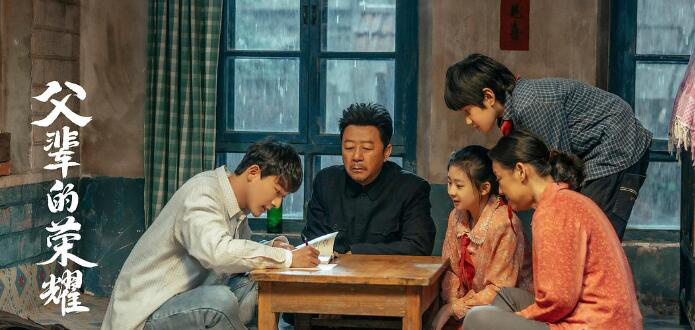
The TV series "Glory of Father’s Generation" came to an end in the laughter of jiaozi. Although it is an old-fashioned happy ending, it can be accompanied by rich fireworks and lively human feelings. After ups and downs, the children of Northeast China finally ushered in their beautiful life. Even through the screen, it can’t help but make people happy and full of hope.
"Glory of the Father" tells the moving story of three generations of forest farm people facing the great changes of the times, experiencing the pain of division and nirvana rebirth. The glory of the forest farm seems to be still yesterday. In a blink of an eye, the tide of laid-off workers in the 1990s stirred people’s hearts. The children of Northeast China tried to find a way out and finally gained a happy life on the journey of harmonious development of ecology and economy in the new era. The record of words is endless, but real life is "a dust of the times, which falls on an individual’s head and is a mountain."
The first episode of "Glory of the Father" focuses on the joint points of reducing production, limiting logging and being laid off in the forestry industry. Under the background of this era, the logging quota of the 923 work team was reduced to 20, and the captain Gu Changshan was unwilling to give up any worker, suggesting that everyone go up the mountain together and share the salary of 20 places. Unexpectedly, an accident happened and Chen Shangyou died of work-related injuries. In any case, the painful cutting began. Gu Changshan can’t change the course of the times, but with generous arms and broad mind, he provides warm shelter for those individuals who are cut by fate. From the adoption of Chen Xingjie, the son of Chen Shangyou, to the orderly arrival of being diligent and self-reliant, those who have been displaced by various changes have found a home here. The steaming table full of food and the family’s interaction seem to make people forget the ups and downs of life. The "unsatisfactory" background is placed in the background, and the real life stands in the center of the stage, and the family members who help each other live stubbornly and unyieldingly.
What makes the transmission of love and warmth vivid and touching is not only the true restoration of the Tao of service and the wonderful interpretation of the actors, but more importantly, the setting of characters on both sides of the husband and wife in the play, which truly presents the richness and versatility of human nature. Gu Changshan is a model worker, blindly talking about dedication and pay. His wife’s saving flowers is critical of more and more children in the family because it is a reality at home to grit your teeth and live. But seeing the sensible children, the flower is still soft. Gu Changshan’s dedication and dedication cannot be separated from his wife’s understanding and handling. Later, Changshan’s family was in trouble, and he was lying in his hospital bed thinking that he could not bring trouble to the children. Worried about saving flowers, she has to care for the old and care for the young. She has to rely on her children because she is helpless. Gu Changshan and Na Cunhua’s husband and wife are United, so that giving and returning can form a benign interaction, and warmth and human feelings can be truly touching in the inheritance and transmission.
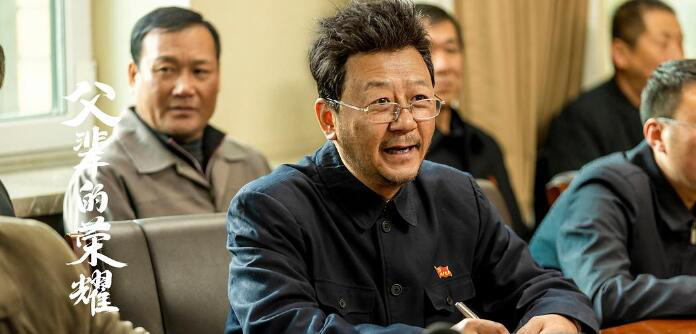
The same characters are set up by Chen Xingjie and Lin Xiaoqing, the third generation of forest farm. As the favored ones who changed their fate through the college entrance examination, walked out of the forest farm and worked hard outside, they are the objects that many people envy and learn. In particular, Chen Xingjie once wanted to fly out of the mountains. However, with the increase of experience and family changes, he gradually gave birth to the idea of returning to his hometown to start a business. The gap between husband and wife also came out. However, the plot is very restrained in dealing with this, which not only presents contradictions truly, but also does not exaggerate the short conflicts among parents. To some extent, Chen Xingjie and Lin Xiaoqing belong to soul mates, similar to "Oak" and "Kapok" in To Oak, closely dependent and independent. Their problem is not only the contradiction between family of origin and the new family, but also the choice of life ideal and life path. In the end, after ideological struggle, Xingjie returned to his hometown to start a business, and Xiaoqing worked hard outside. They were in two places, but their hearts were together. This is not only an emotional relationship with pioneer consciousness, but more importantly, Glory of the Fathers does not show too much inclination to return home to start a business, but holds an inclusive attitude towards the life choices of the younger generation in Northeast China. In the play, Fengxia was bent on going out and finally came back to live with Zhao Cheng. Zhao Xi wanted to stay with her mother when she was released from prison, but under the pressure of reality, she went to Hainan with Feng Ju to start a new life. The setting of characters on both sides of husband and wife in Glory of Father’s Fathers truly presents the contradictions and differences of modern families, and also allows the characters to make their own choices in self-exploration and growth.This is also a more rational guidance and enlightenment for the audience.
The play shows the glorious history of the first generation of forestry workers in Northeast China who shed their blood and sweat and supported the national economic construction. After the degradation of forest resources and the emergence of environmental crisis, they planted trees and devoted themselves to paying off debts. In addition, like Gu Changshan, there are "Erh Lin Generation" who are struggling to adapt or find another way in the times of shock and change. They hold up a brand-new tomorrow for the younger generation in Northeast China with their hands.
History should not be forgotten. The TV series "Glory of the Father" reflects the history through the individual, and reflects the changes of the times with the parents of small people. In the play, vivid and sensible characters are created, so that the audience can see the eternal shining light in their ups and downs of life stories. (Author: Qing Liu)