Japan may clear South Korea from the "white list" on August 2: This will worsen the current situation.
Cctv newsAccording to Kyodo News, the Japanese government plans to approve the exclusion of South Korea from the "white list" of trade at the cabinet meeting as soon as August 2.
According to reports, a Japanese government source said that Japan is advancing the process of excluding South Korea from the "white list" of trade. It is expected that the cabinet will approve the process as soon as August 2 and formally implement it around August 23. Japanese Chief Cabinet Secretary Suga Yoshihide said on 26th of this month that it is an appropriate measure to effectively implement export control to exclude South Korea from the "white list" of trade as planned.
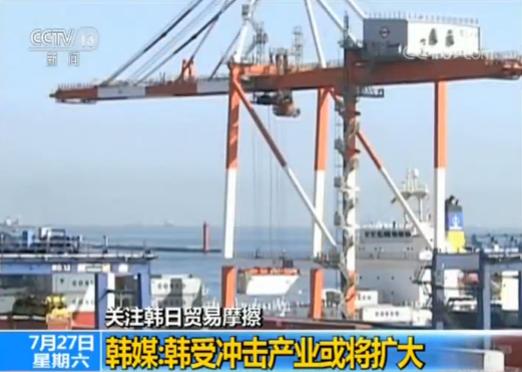
Korean media: Korea’s affected industries may expand.
Japan regards the countries listed in the "white list" of trade as so-called "friendly countries" at the level of security, and Japanese manufacturers can export products and technologies to these countries with relatively simple procedures. According to Yonhap News Agency, once South Korea is excluded from this "white list" of trade, Japanese trade control measures will rapidly expand from the current three kinds of semiconductor materials to thousands of goods such as electronic components and machine tools, which will have an impact on major industries such as petrochemical industry and automobile industry in South Korea.
The ROK once again asked Japan to cancel the control measures.
South Korean Foreign Minister Kang Jinghe telephoned Japanese Foreign Minister Tarō Kōno on 26th, calling on Japan not to exclude South Korea from the "white list" of trade, believing that this move would worsen the current situation.
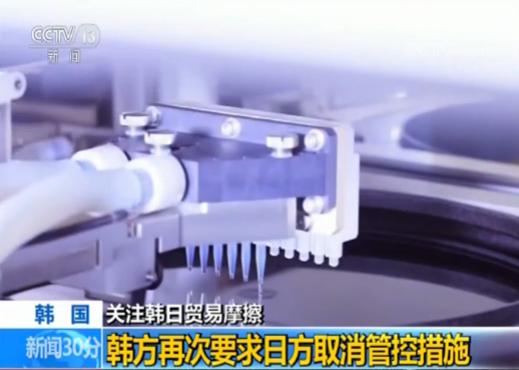
Kang Jinghe also urged Japan to cancel the export control of materials in the semiconductor industry. The South Korean side pointed out that the Japanese side’s measures to strengthen trade control were aimed at retaliating against the South Korean Grand Court, that is, the Supreme Court sentenced Japanese companies to compensate Korean labor victims forced by Japan in World War II, but the Japanese side denied it.